Flex Truck
1 / 5

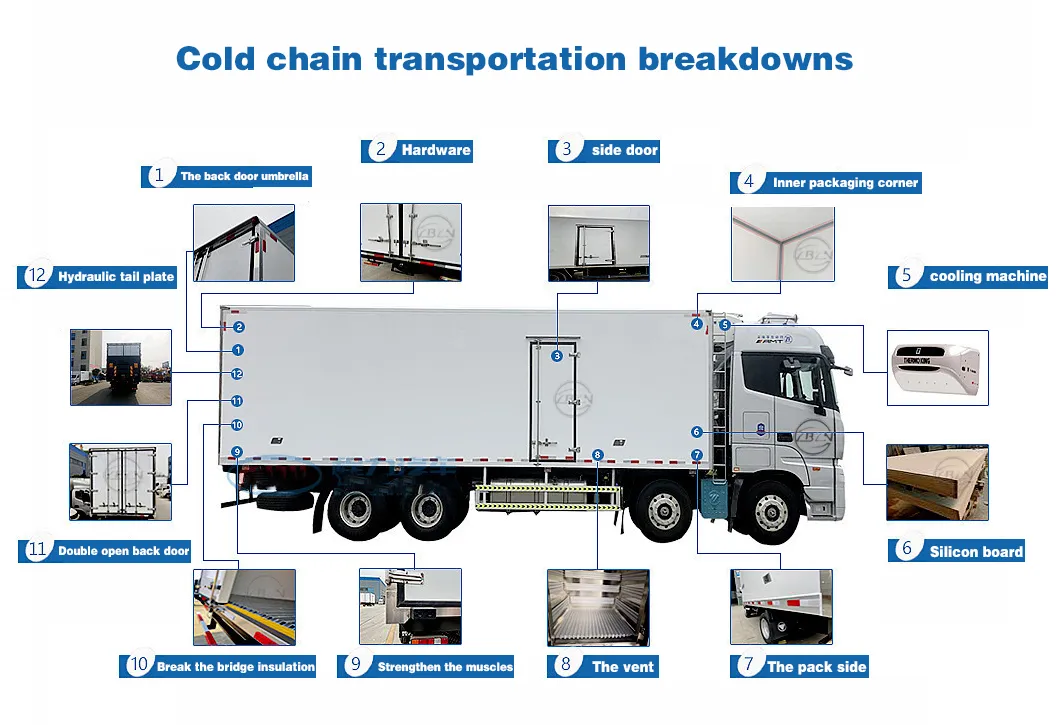
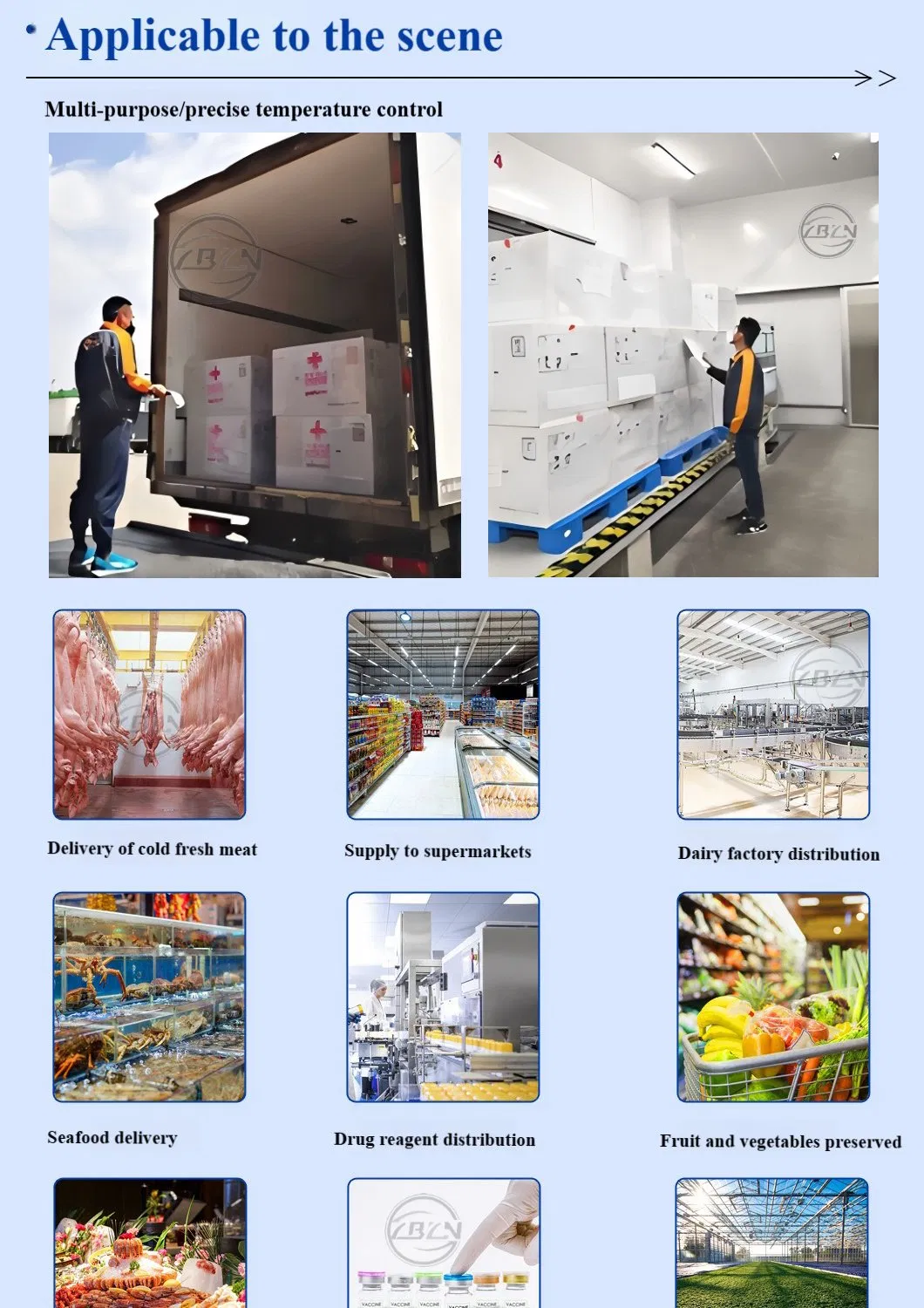
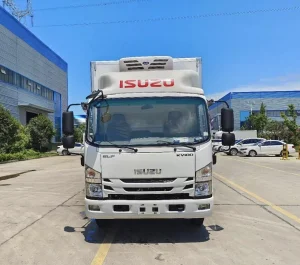
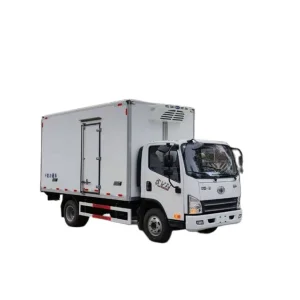
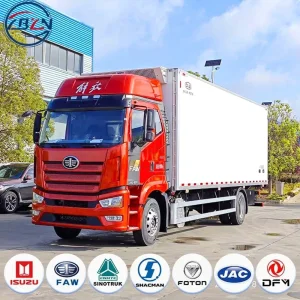
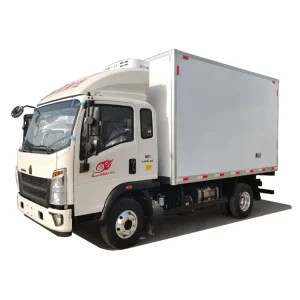
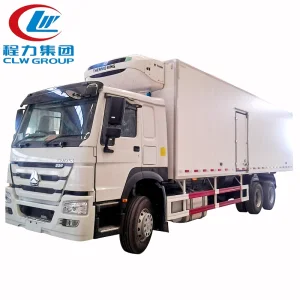
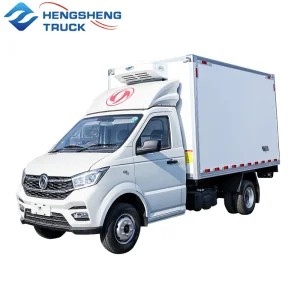
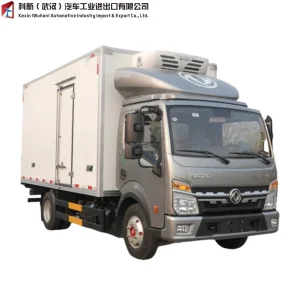
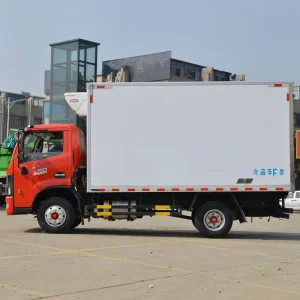
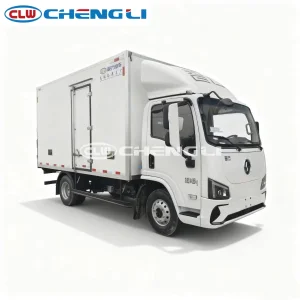
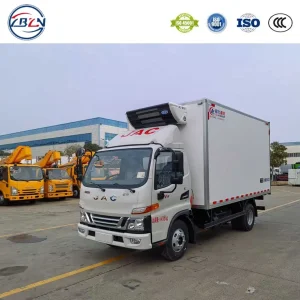
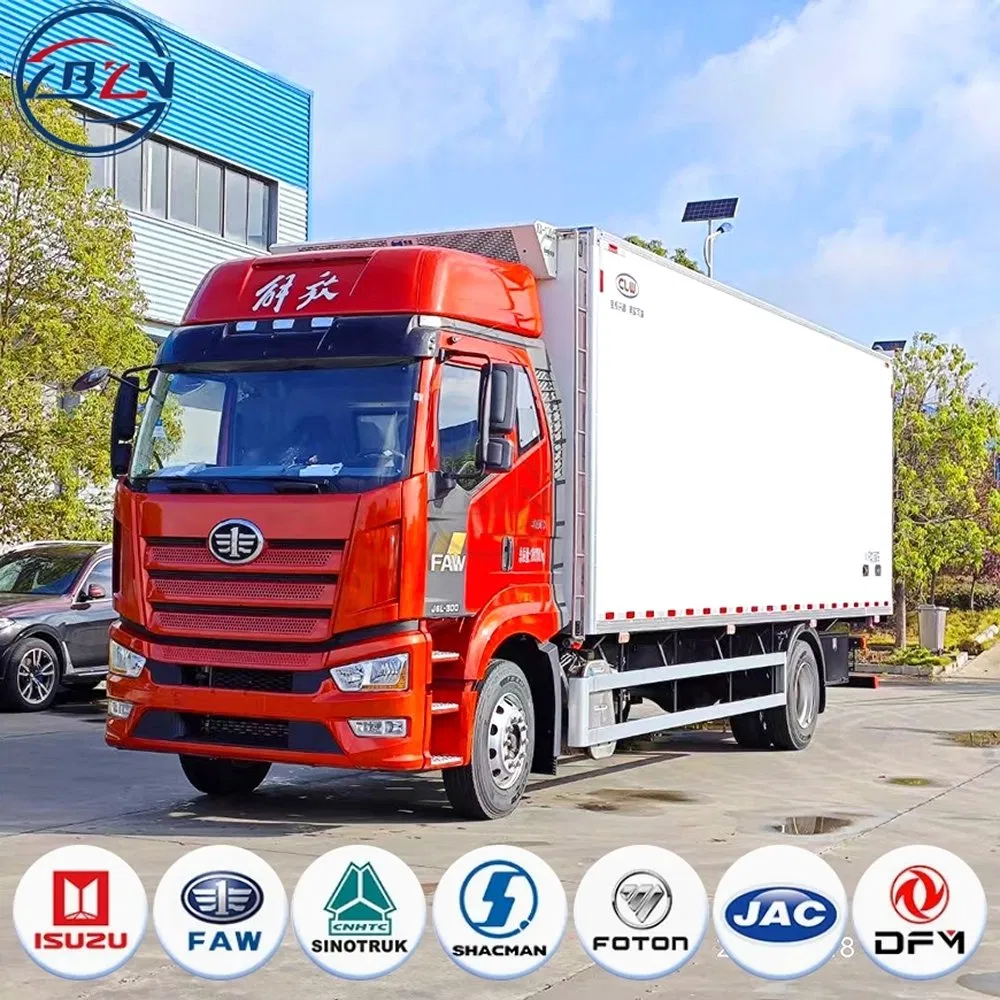
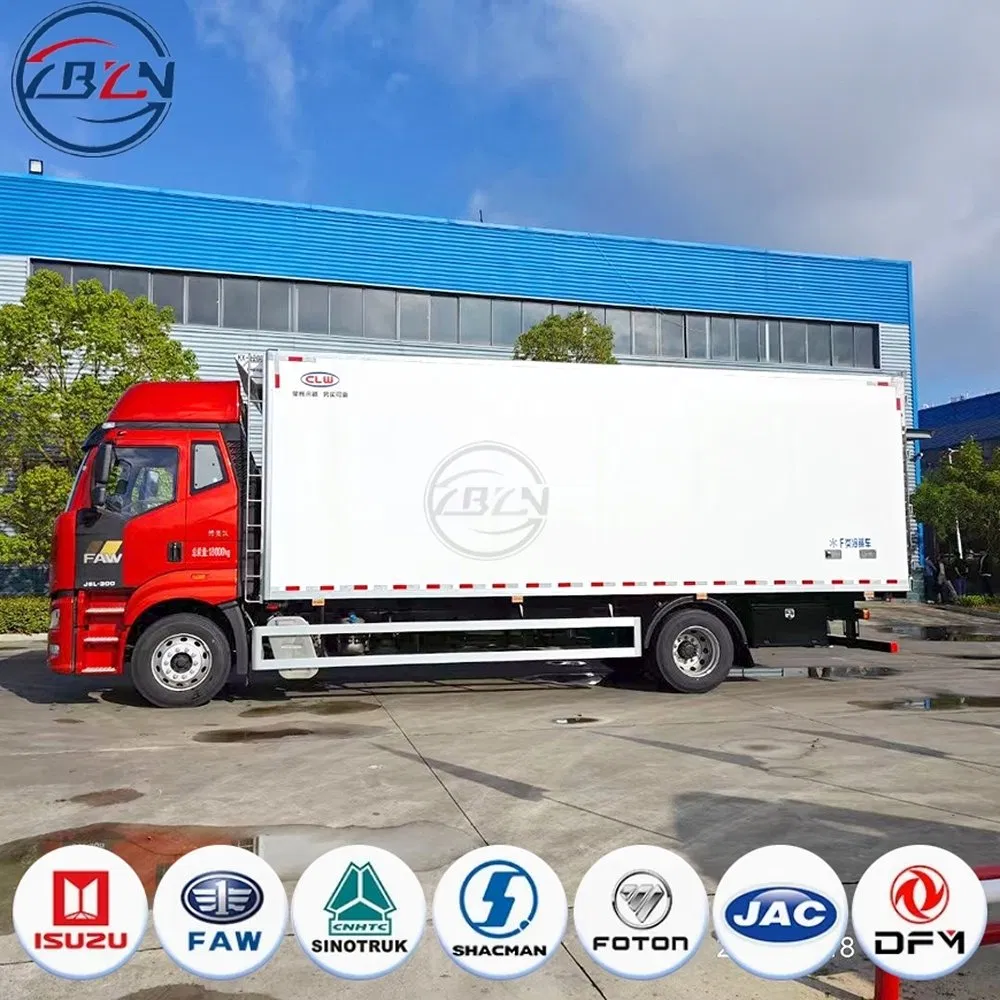
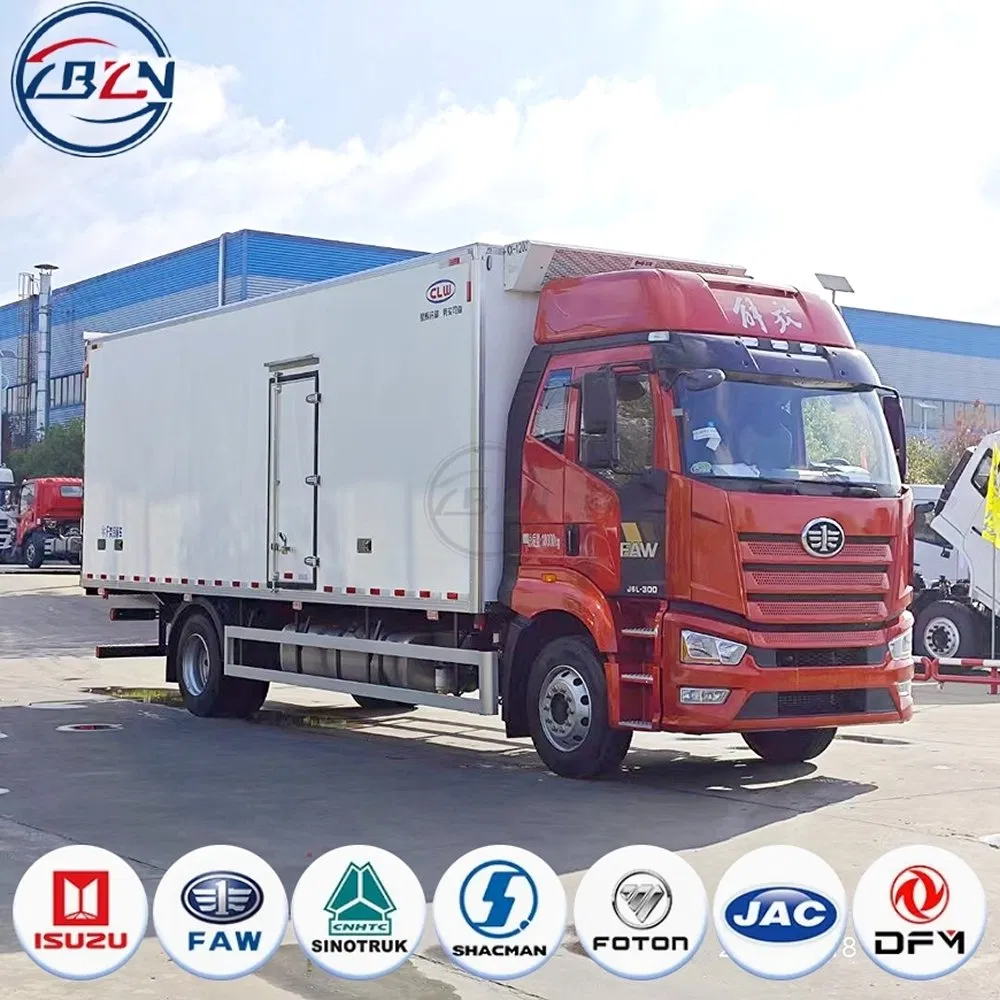
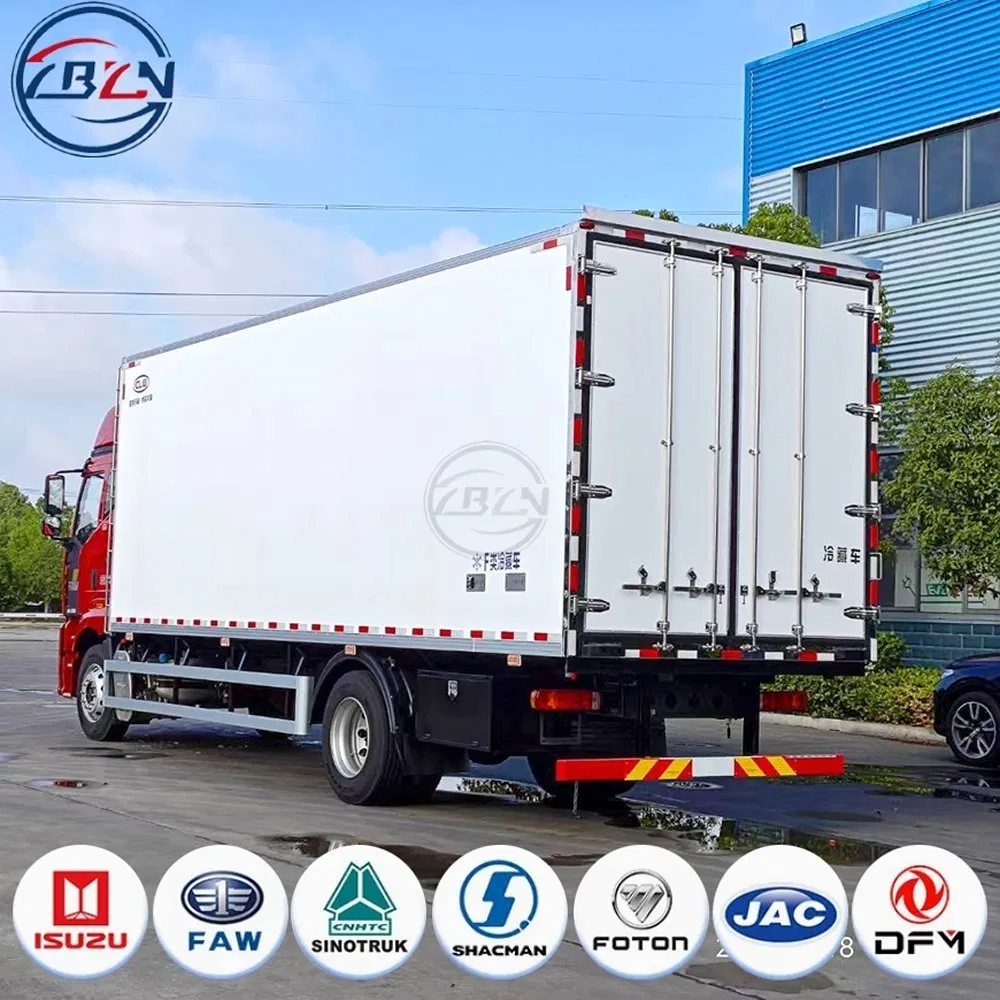
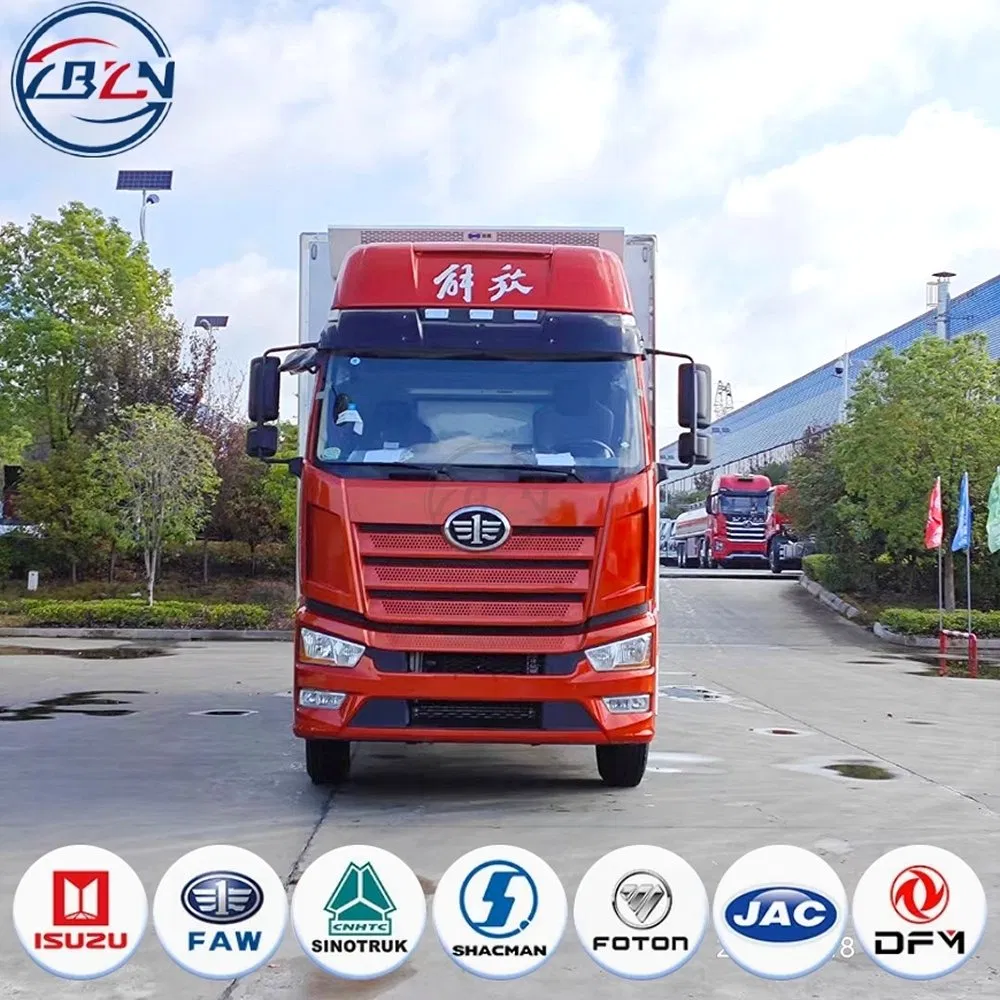
A refrigerated truck is a vehicle that is used to transport temperature-sensitive cargo. They are insulated and fitted with refrigeration gear. Their main purpose is to maintain the desired temperature for products such as meat, dairy, and produce. Meat can be transported without spoilage because refrigerated trucks can maintain a constant temperature. Also, refrigerated trucks can be used to transport products over long distances because of their ability to maintain temperature.
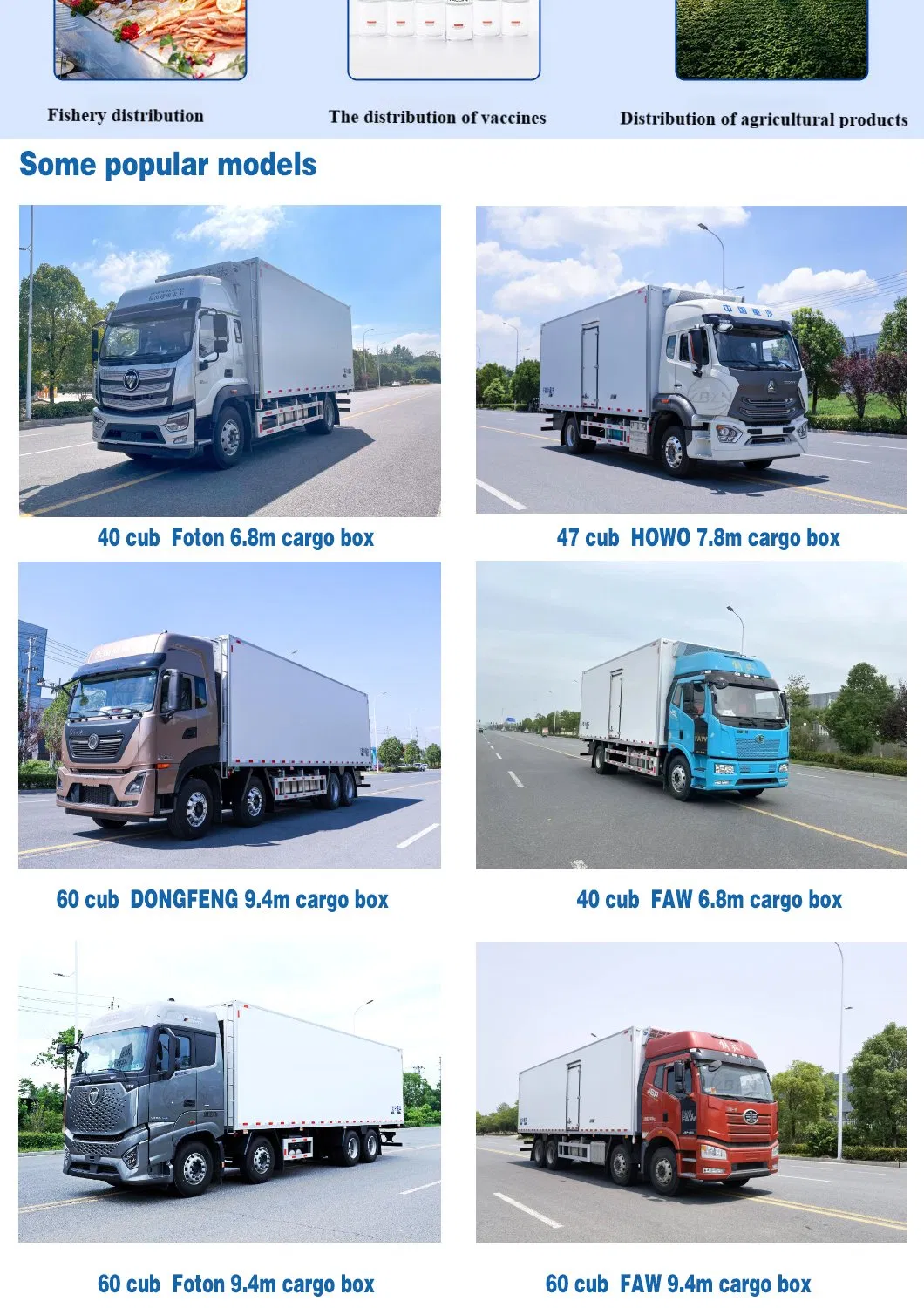
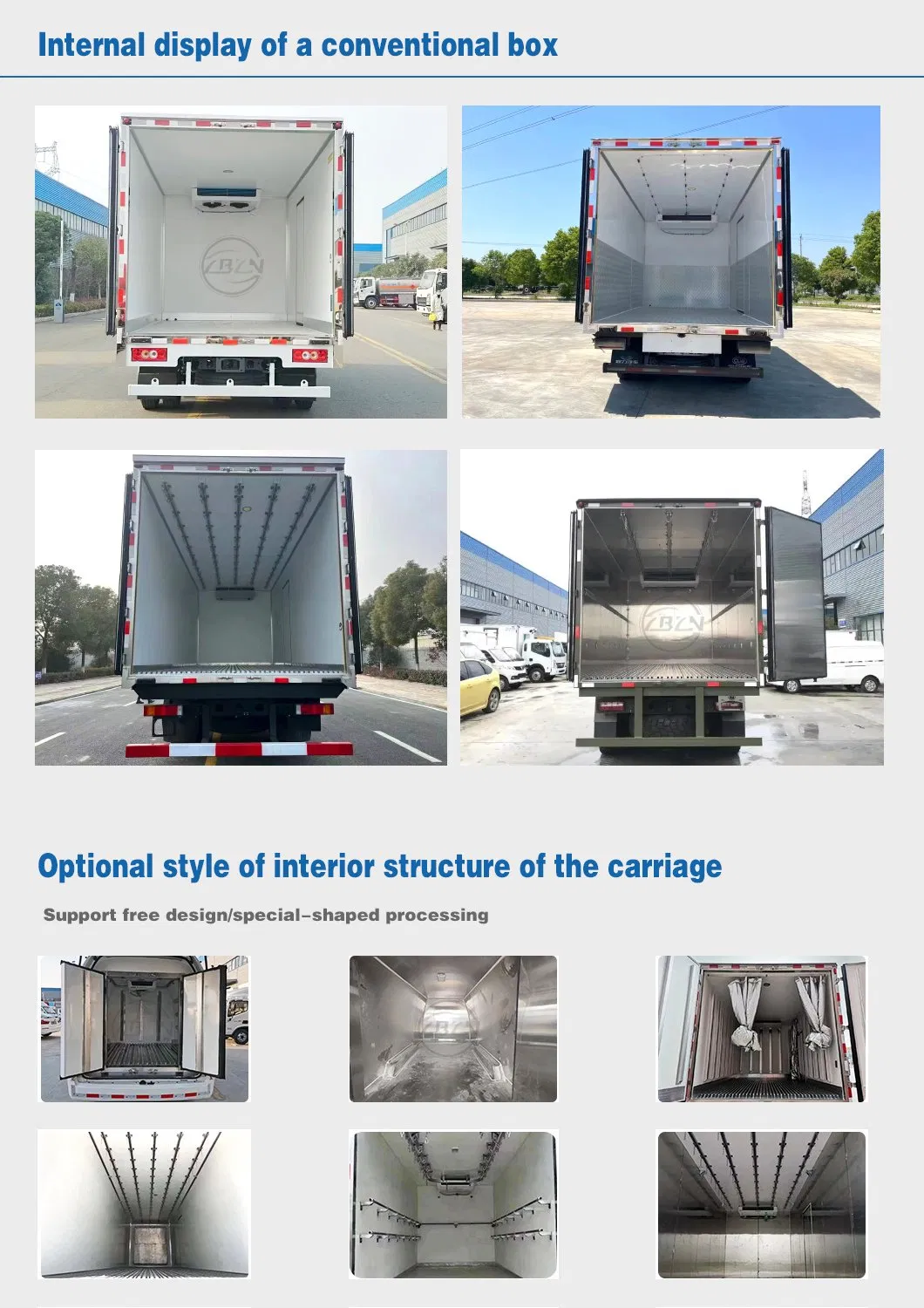
There are two types of refrigerated truck systems; the integral system and the multi-temperature system. The multi-temperature system is further divided into the multi-compartment and zoned multi-temperature systems. The trucks with the integral system have an insulated body, which makes them ideal for short-distance transportation. On the other hand, trucks with multi-temperature systems are used for long-distance transportation of refrigerated goods at different temperatures.
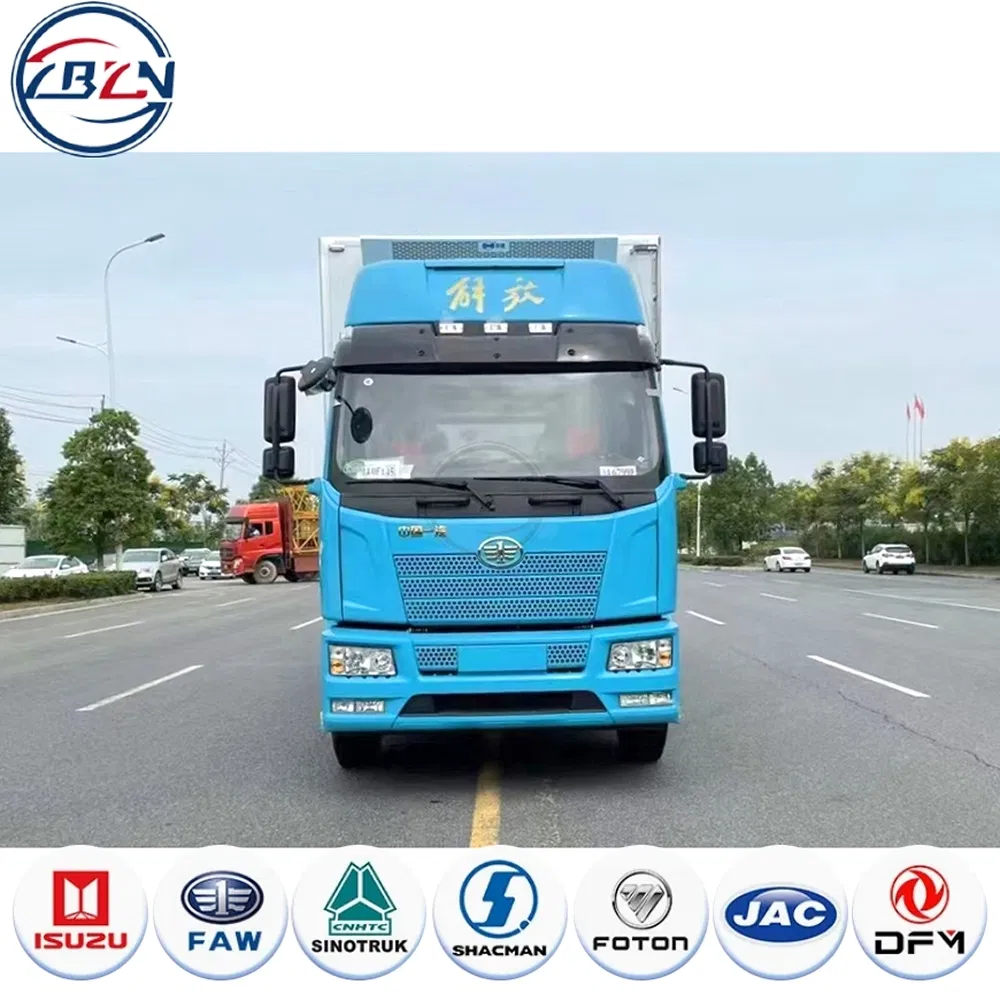
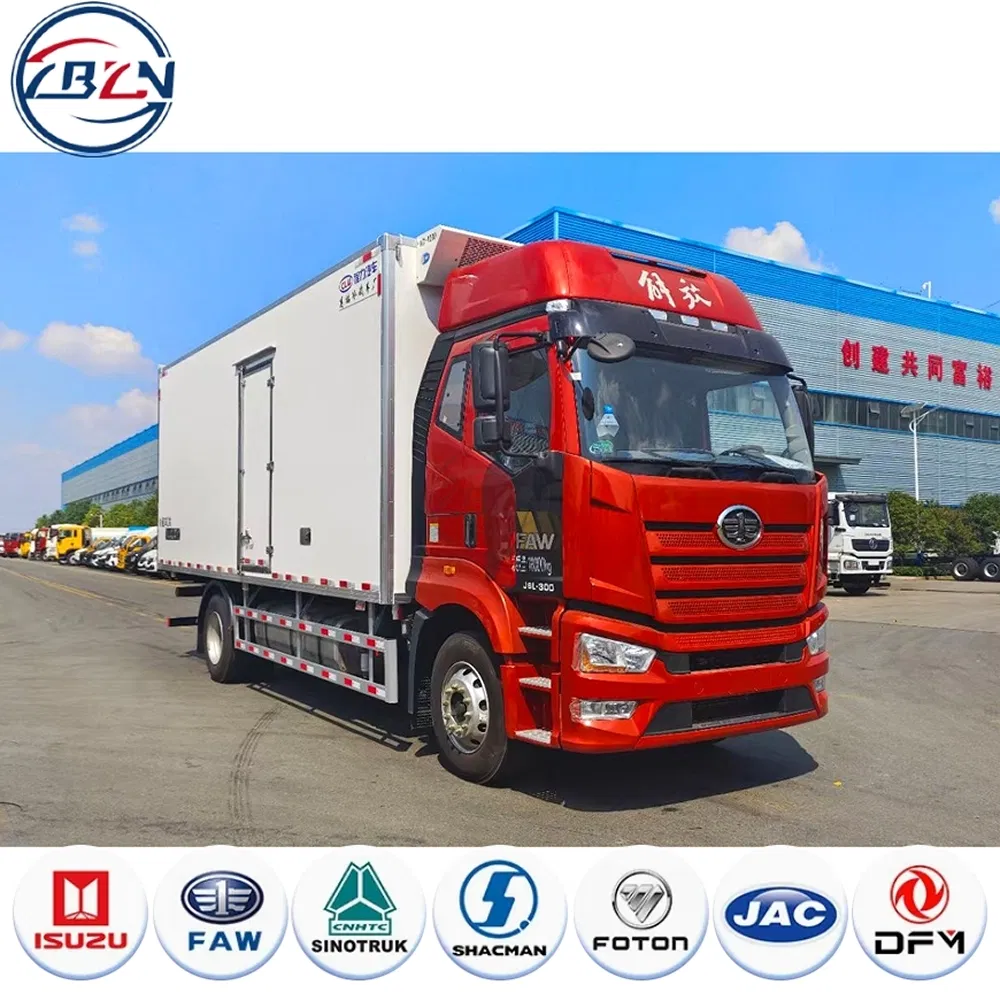
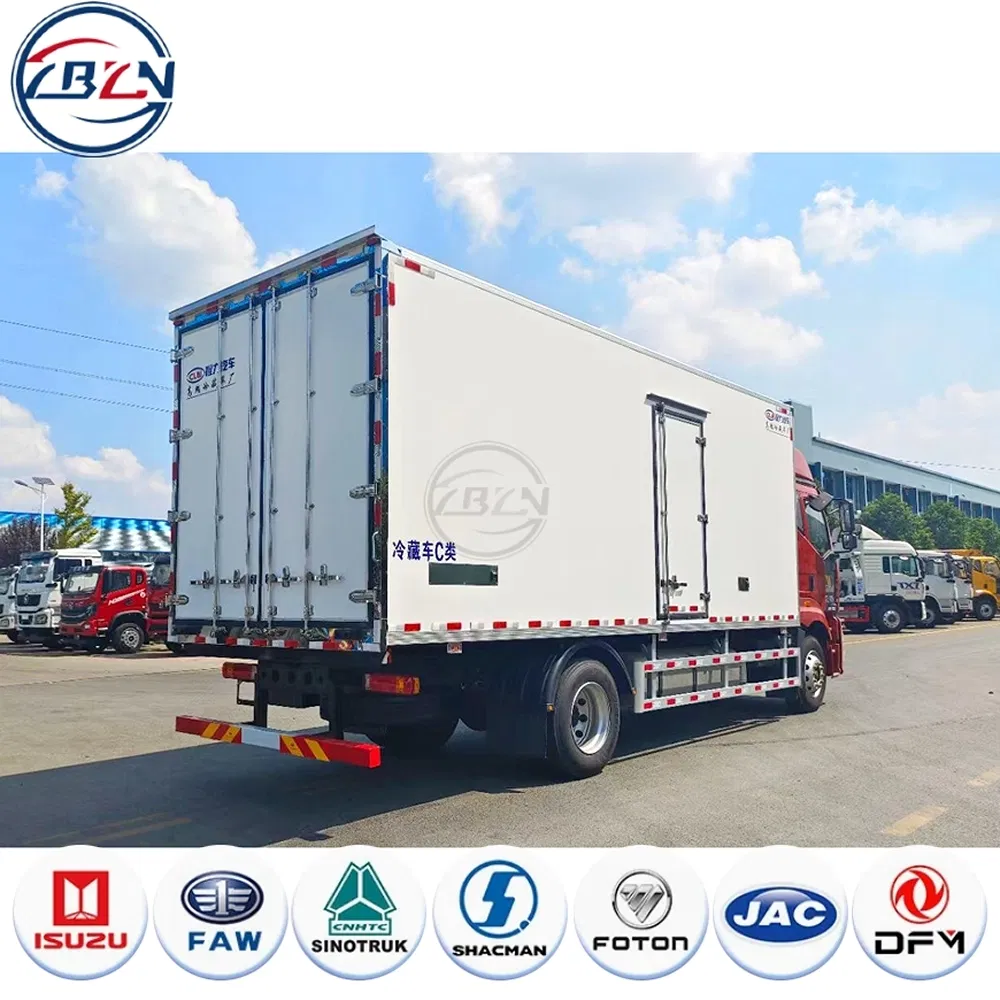
| REFRIGERATOR TRUCK SPECIFICATION | |
|---|---|
| Product Name | Refrigerator Truck |
| Total Mass (Kg) | 18000 |
| Rated Load Capacity (Kg) | 8870, 8805, 8470, 8405, 9320, 9255 |
| Dimensions (mm) | 12000, 10200, 10700 × 2600 × 3995 |
| Cargo Compartment Size (mm) | 9500, 9600, 9700, 7800, 8300 × 2440 × 2550 |
| Wheelbase (mm) | 7000, 5600, 6000, 5800 |
| Tire Specifications | 10.00R20, 11R22.5, 275/80R22.5 |
| Maximum Speed (Km/h) | 100 |
| Axle Load (Kg) | 6500/11500 |
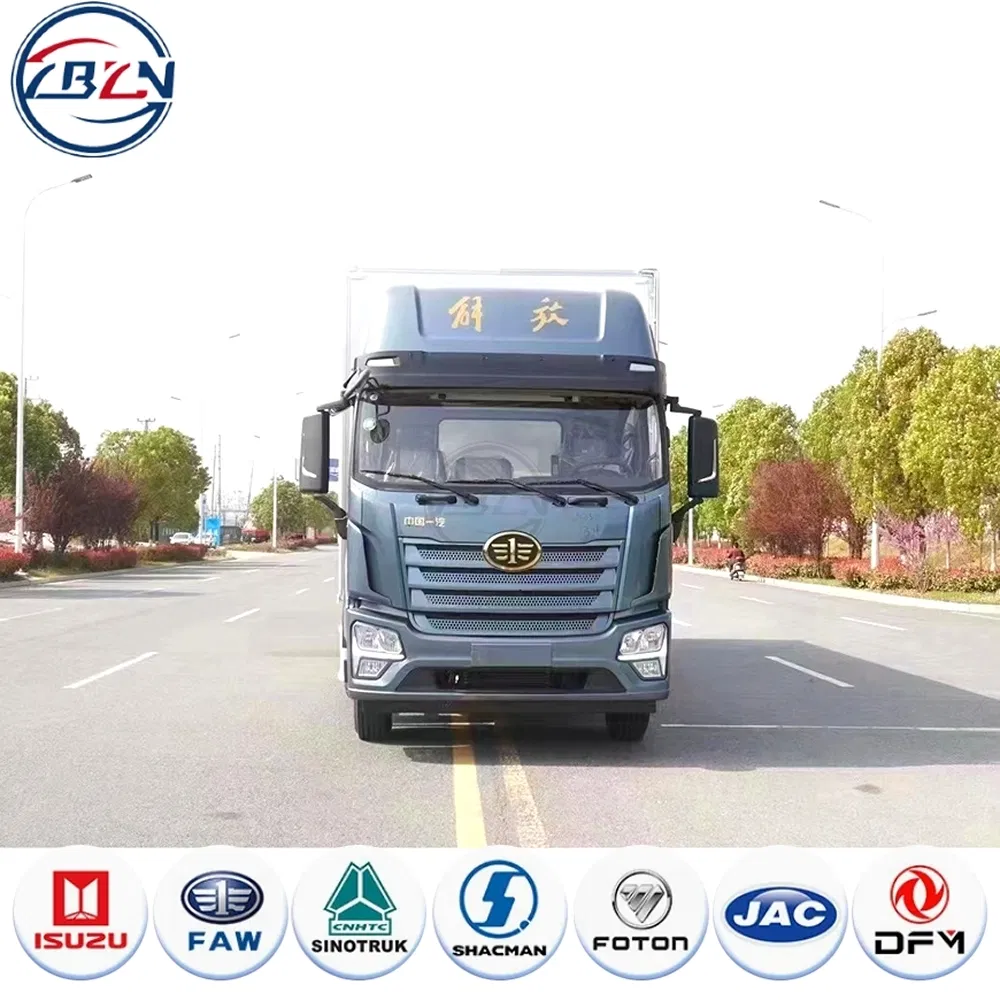
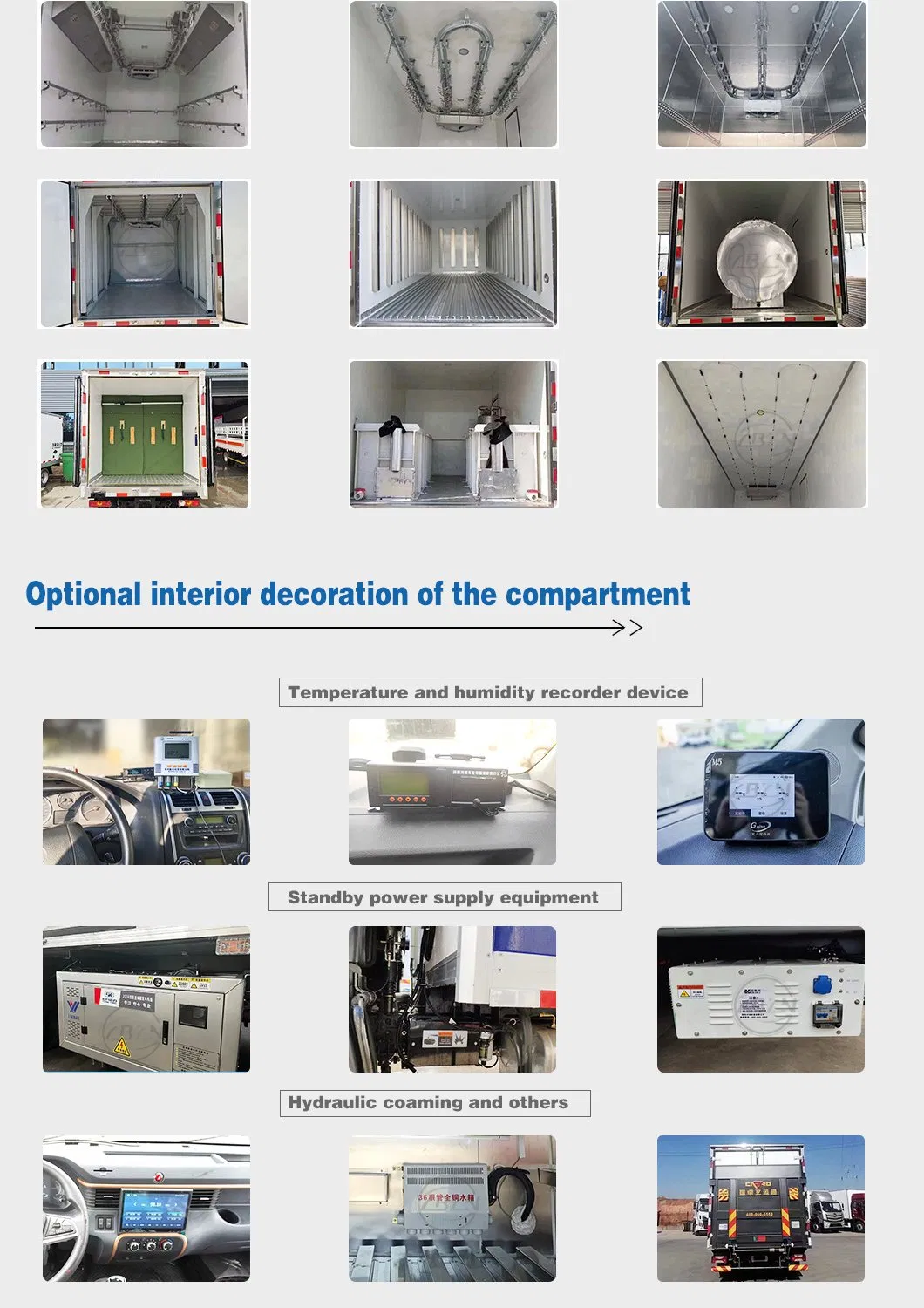
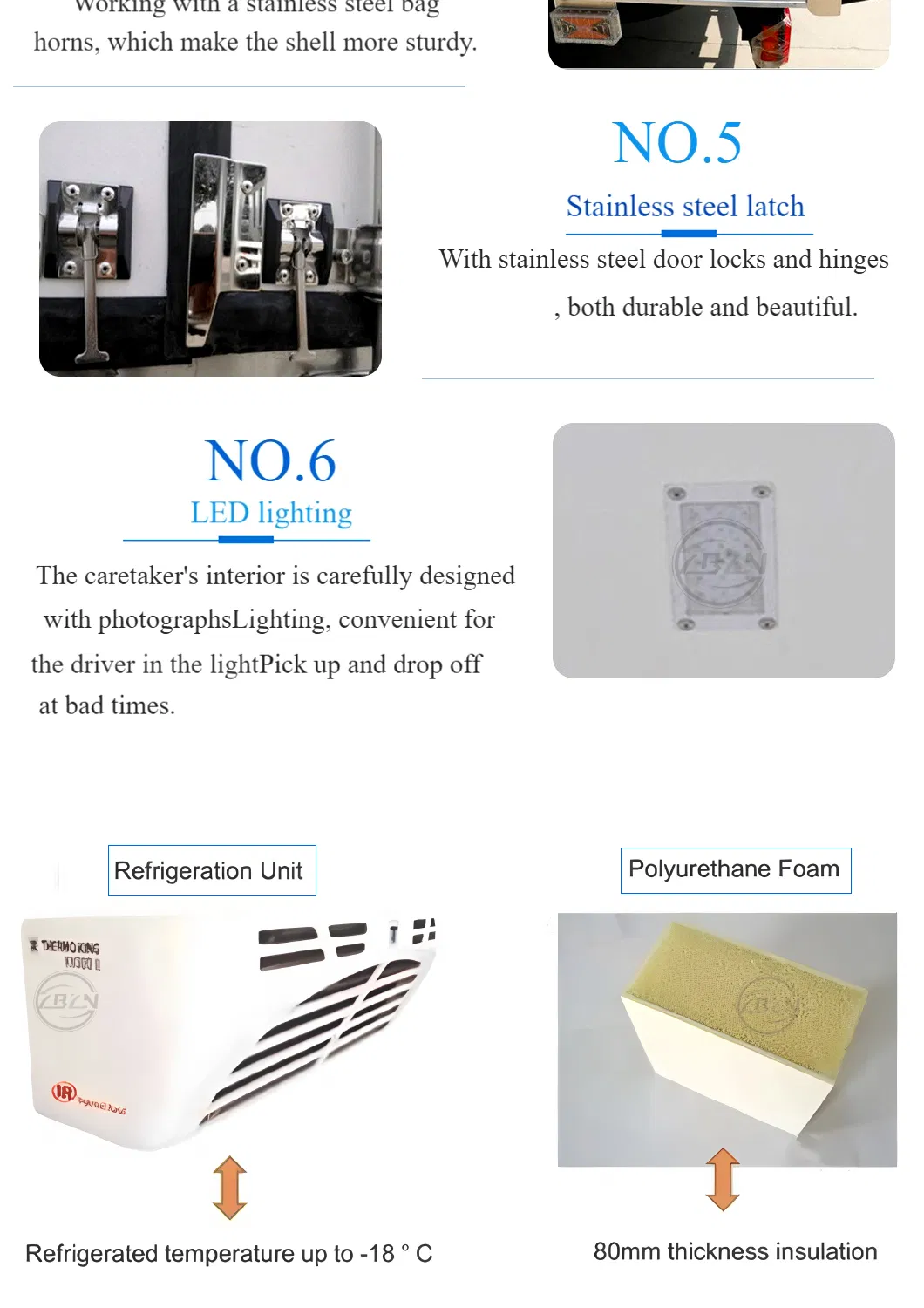
Refrigerated trucks have temperature controls that monitor and adjust the temperature inside the truck to stay within the required limits. This system consists of sensors, controllers, and alarms that indicate any temperature fluctuations.
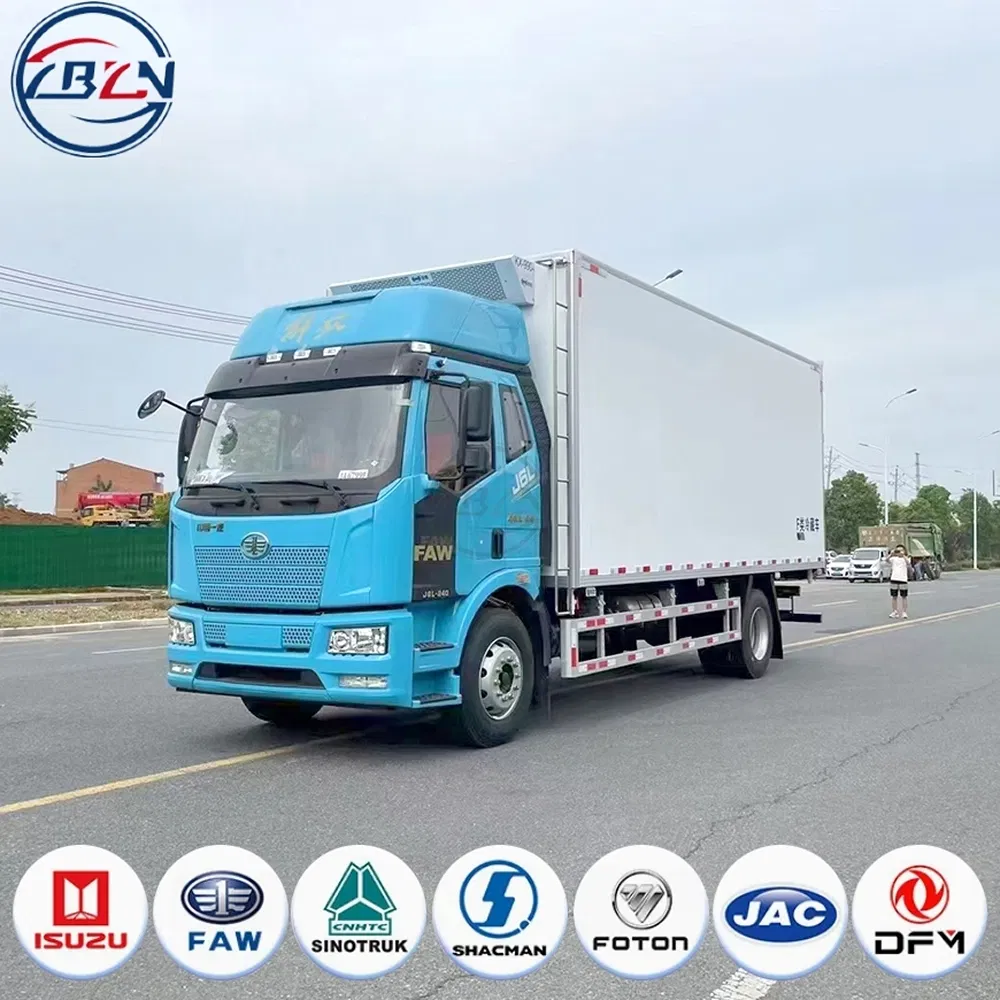
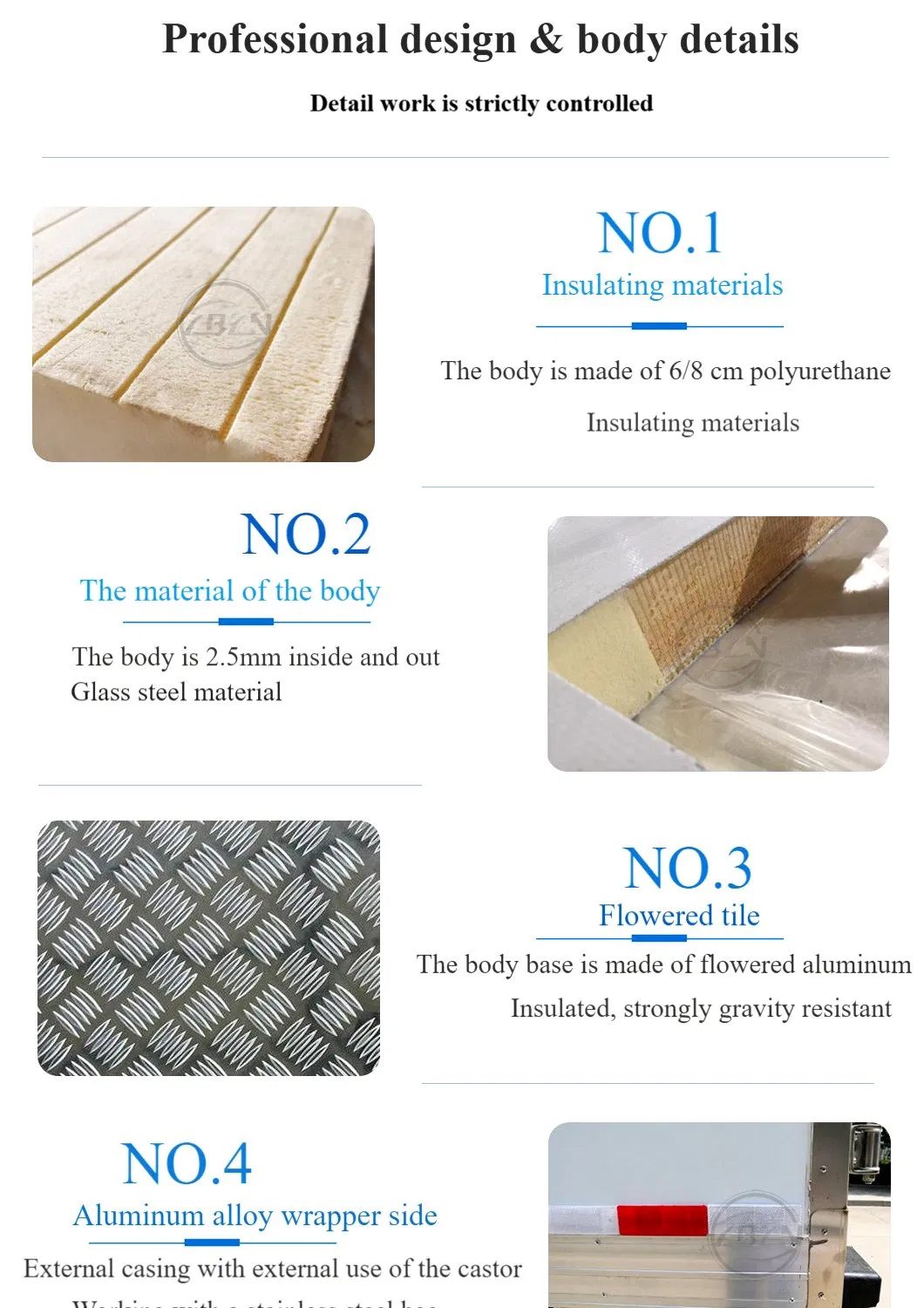
Proper insulation is required to minimize the transfer of heat inside and outside the truck, maintaining a stable temperature. Drivers should ensure that cargo is not in contact with the walls to maximize effectiveness.
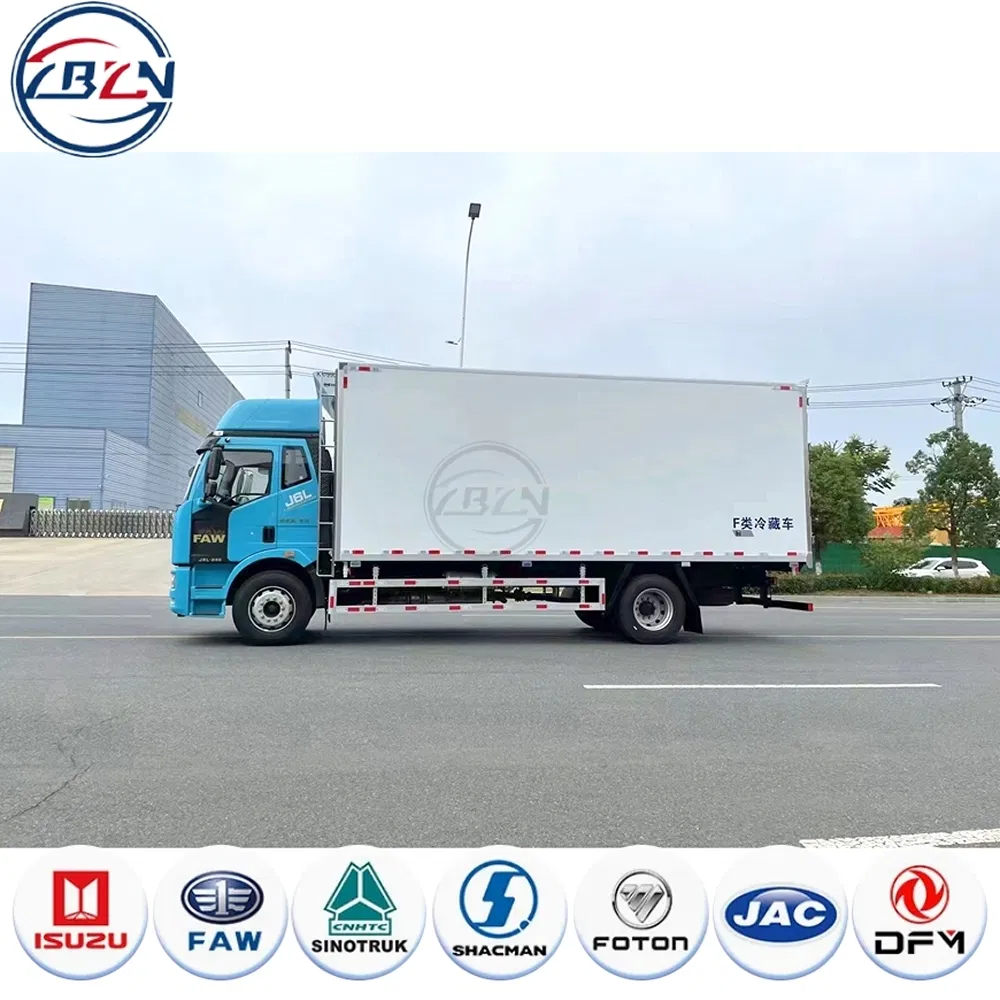
Every truck has a refrigeration unit that cools the cargo space. It must be regularly maintained, including cleaning, checking coolant levels, and replacing filters to ensure efficient operation.
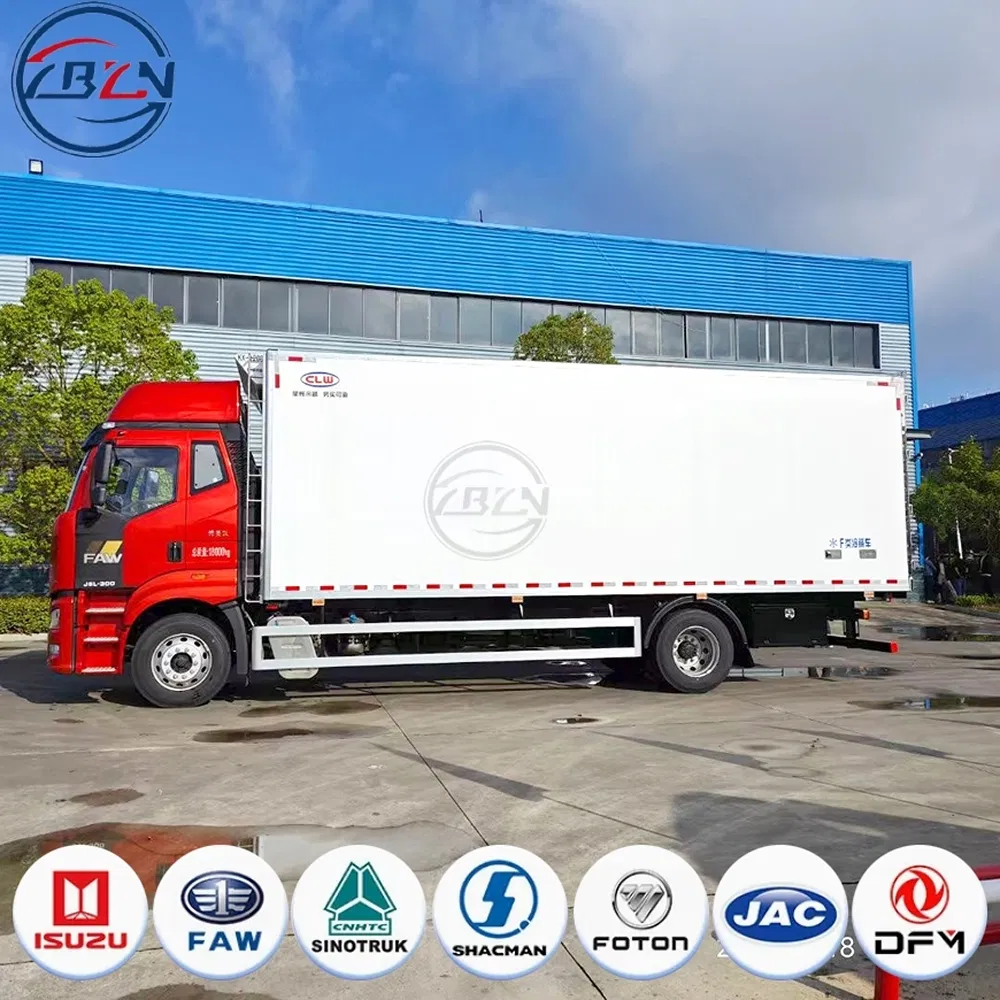
This process measures temperature distribution within the truck to ensure uniformity. It helps identify hotspots or cold spots that could affect product quality.
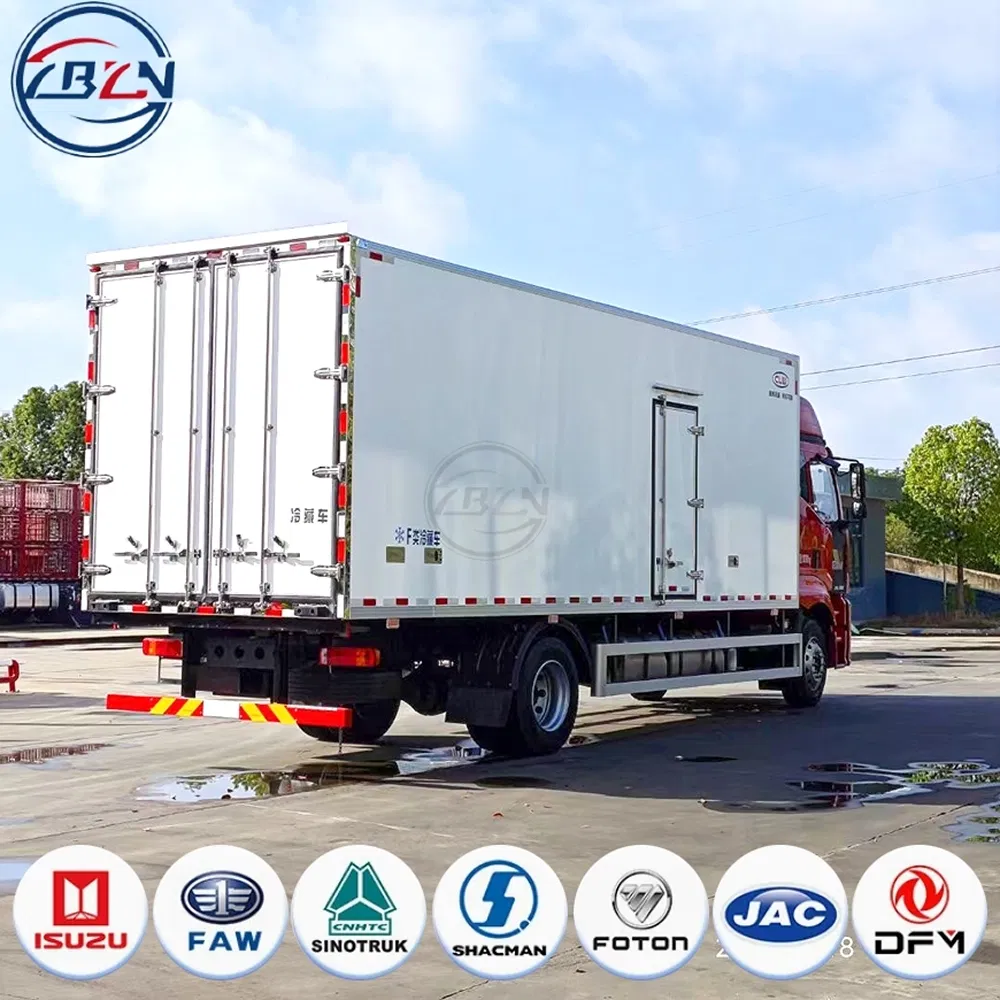
Crucial for preventing air leaks. Damaged seals can cause temperature fluctuations and increase energy consumption. Regular inspection and replacement are necessary.