When considering vehicle suspension systems, many ask what are the advantages of air suspension vs leaf spring. Air suspension offers flexibility, comfort, and enhanced vehicle control. Unlike traditional leaf springs, air systems can adjust to different loads and road conditions. This adaptability improves ride quality significantly.
Air suspension systems use air-filled bags, allowing them to change ride height. This is beneficial for off-road driving or heavy loads. They provide a smoother ride by absorbing bumps effectively. In contrast, leaf springs tend to be stiffer, affecting comfort. While leaf springs are reliable, they don’t offer the same customization.
Installing air suspension might come with higher initial costs. Users should weigh these costs against long-term benefits. It's also essential to consider maintenance; air systems may need more attention. Overall, understanding these differences helps make informed decisions for vehicle suspension.
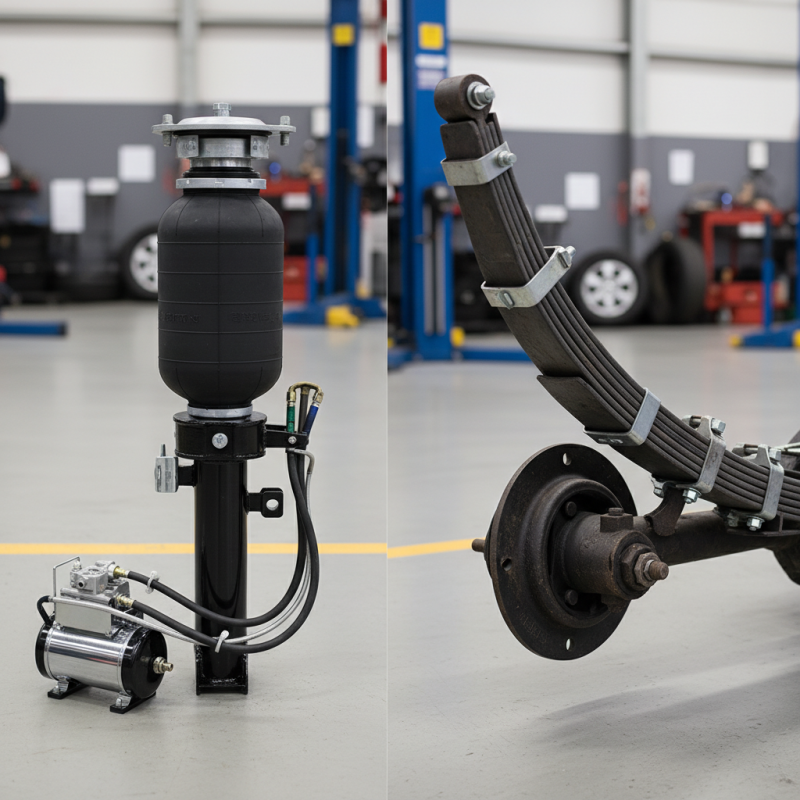
Air suspension and leaf spring systems are two prevalent types of suspension used in vehicles. Air suspension utilizes air-filled bags to provide a cushioned ride. This technology allows for adjustable ride height, enhancing comfort and stability. It helps to manage weight distribution effectively, making it ideal for varied load conditions. The flexibility of air suspension can adapt to different terrains, offering better handling than traditional systems.
In contrast, leaf spring systems consist of multiple layers of metal strips. They are sturdy and simple, often found in trucks and heavy-duty vehicles. Leaf springs can handle significant loads but lack the adaptability of air systems. Their rigidity can lead to a harsher ride, especially on uneven surfaces. However, they are easier to maintain and often less expensive to repair.
While both systems have their merits, the choice ultimately depends on specific use cases. Individuals often overlook important factors such as weight and driving conditions. Air suspension may seem superior but requires careful maintenance and can be prone to air leaks. Leaf springs, while robust, may not deliver the comfort needed for everyday driving. An informed choice involves assessing the trade-offs between comfort, cost, and performance.
Air suspension systems and leaf springs serve as two predominant choices for vehicle suspension, each offering unique benefits. One significant difference is comfort. Air suspension can automatically adjust to varying loads, delivering a smoother ride. According to recent industry reports, vehicles equipped with air suspension show decreased vibrations by up to 30% compared to those with leaf springs. This demonstrates enhanced passenger comfort, especially over uneven terrain.
Another critical area is load adaptability. Air suspension can easily manage changing loads, ensuring stability. In contrast, leaf springs can struggle with weight irregularities, leading to a rougher experience. While leaf springs are generally simpler and require less maintenance, they lack the flexibility of their air counterparts. This rigidity can potentially compromise ride quality, especially when carrying heavy loads or driving off-road.
Tips: Consider the primary use of your vehicle. If comfort and load adaptability are priorities, air suspension may be the better choice. However, if simplicity and reliability matter more, leaf springs could fit better. Regularly assess the condition of your suspension system, as neglect can lead to costly repairs.
Air suspension systems offer several key benefits over traditional leaf springs, particularly in terms of ride comfort and handling. One major advantage is the ability to automatically adjust the air pressure. This feature allows the suspension to adapt to different load conditions, ensuring a smooth ride regardless of the vehicle's weight. As a result, passengers experience less jarring from bumps and uneven surfaces.
Additionally, air suspension enhances handling dynamics. It minimizes body roll when navigating corners, providing a more stable ride. Drivers appreciate the improved control, especially in challenging conditions. However, some may find that air systems require regular maintenance and periodic checks for leaks. This upkeep can be a drawback compared to the simplicity of leaf springs.
The adjustable height is another significant perk. Lowering the vehicle provides better aerodynamics, leading to fuel efficiency. Conversely, raising it can help with off-road capability. Still, not everyone finds that the complexity of an air suspension system suits their needs. Overall, these systems present a mix of advanced technology and potential challenges.
Leaf springs have long been a staple in the automotive industry, prized for their durability and robust load capacity. According to a study by the American Trucking Association, vehicles equipped with leaf springs can typically support loads exceeding 5,000 pounds. This makes them a popular choice for heavy-duty trucks and commercial vehicles. Their ability to maintain shape under heavy loads leads to longevity, reducing the need for frequent replacements.
However, leaf springs do have limitations. They can become fatigued over time, especially with inconsistent loading patterns or poor road conditions. Rigidity can impact ride comfort. Despite their strength, achieving smooth handling and comfort often requires additional systems or modifications. The friction between the leaves might lead to wear, which could compromise performance.
In regions with varying loads, the adaptability of leaf springs often falls short. Reports suggest that trucks carrying different types of cargo experience uneven wear. This highlights the need for regular maintenance. While leaf springs excel in durability, their performance could decline without proper care. It's crucial to assess how each vehicle's design and use affect overall efficiency. Optimization of load distribution remains essential for maximizing the lifespan of leaf springs.
When comparing air suspension and leaf springs, cost considerations are crucial. Air suspension systems often have a higher initial price. They require an investment for the components and installation. However, this system can provide flexibility in load adjustments. It can help maintain a level ride height, potentially prolonging tire life.
Maintenance aspects are another vital factor. Air suspension requires regular upkeep, including checks on air lines and the compressor. These components can wear out and need replacement. Leaf springs, on the other hand, tend to have a simpler design. They usually require less frequent maintenance. However, their rigidity can lead to a harsher ride.
In every choice, there are trade-offs. Air suspension offers adjustable comfort but brings complexity. Leaf springs provide durability but may lack versatility. Understanding these dynamics is essential for making an informed decision. The right choice depends on individual needs and specific use cases.
: Air suspension uses air-filled bags to provide a cushioned ride, enhancing comfort and stability.
It automatically adjusts ride height to manage weight distribution effectively for varying load conditions.
Leaf springs are commonly used in trucks and heavy-duty vehicles due to their strength and load capacity.
Their rigidity can lead to a harsher ride, especially on uneven surfaces or with heavy loads.
Leaf springs generally require less maintenance, while air suspension needs careful upkeep to prevent air leaks.
Yes, air suspension can reduce vibrations by up to 30%, significantly enhancing passenger comfort on rough terrain.
Consider driving conditions, load adaptability, comfort, and maintenance needs when selecting between the two systems.
Leaf springs can struggle with load irregularities, leading to uneven wear and a rougher ride experience.
Over time, fatigue from inconsistent loading and poor road conditions can diminish leaf springs’ performance.
Regular checks help prevent performance decline and prolong the lifespan of leaf springs, optimizing load distribution.
In the ongoing debate of "what are the advantages of air suspension vs leaf spring," it's essential to compare their unique features. Air suspension systems provide superior ride comfort and handling by adjusting the air pressure in the suspension to match load conditions and driving styles, resulting in a smoother ride over uneven terrains. This adaptability enhances vehicle performance and stability, making it ideal for passenger vehicles and applications requiring comfort.
On the other hand, leaf springs are renowned for their durability and load capacity, often preferred in commercial settings where heavy loads are a routine part of operation. They are simpler in design, usually resulting in lower initial costs and easier maintenance in the long run. Understanding these fundamental differences helps consumers make informed choices based on their specific needs, balancing comfort against durability and cost.

Flex Truck