2026 Best Tips to Reduce Multi Axle Semi Trailer Tire Wear

Time:2026-11-09 Author:Sophia
0%

Tire wear on a multi-axle semi-trailer rarely comes from one cause. Tight turns can make tires scrub across pavement, while poor alignment, uneven loading, or mismatched tire pressures may add stress mile after mile. A small difference in tread depth can matter. So can a suspension component that looks fine during a rushed walk-around. The challenge is finding patterns before they become costly roadside problems.

This guide explores how to reduce tire wear on multi-axle semi-trailers with practical checks drivers and fleet teams can build into routine maintenance. It covers cold-pressure readings, axle alignment, load distribution, tire matching, and close inspection of tread shoulders and sidewalls. Use the trailer maker’s specifications and advice from a qualified tire or alignment professional; one pressure setting does not suit every load or tire. Record measurements, mileage, and wear locations so recurring problems are easier to trace. Simple records help.

Some recommendations may need adjustment for the trailer, routes, and operating conditions. That part is easy to miss. A careful inspection cannot prevent every tire problem, but it can reveal uneven wear early, when corrective work may be simpler and less disruptive. The aim is steady, evidence-based maintenance—not a quick fix or a promise of a specific tire life.
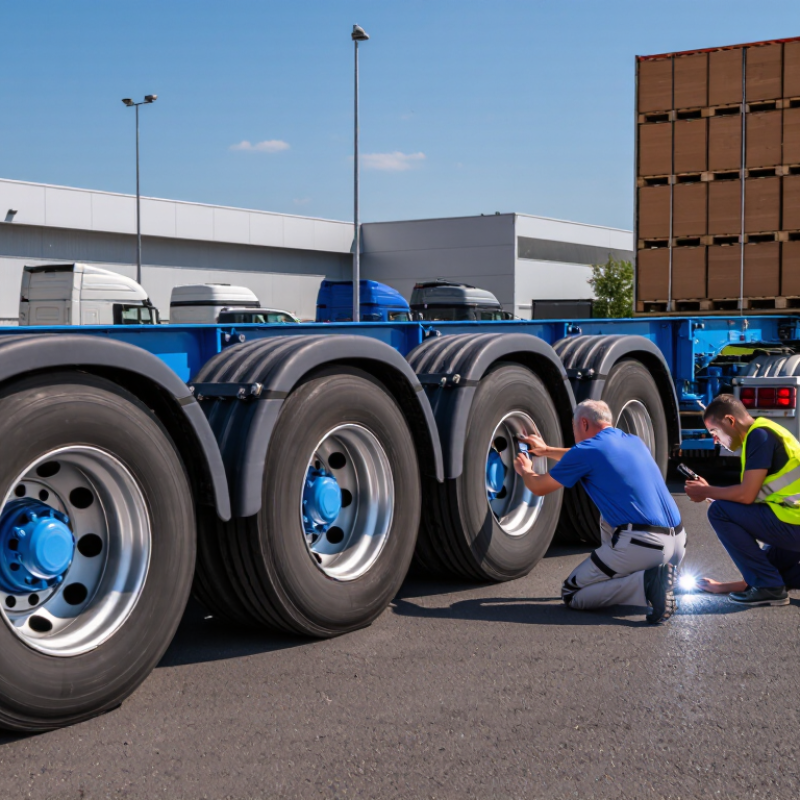
2026 Best Tips to Reduce Multi Axle Semi Trailer Tire Wear

How Multi-Axle Trailer Design Influences Tire Wear

A multi-axle trailer’s design can influence tire wear before handling problems become obvious. In a turn, each axle follows a different path, forcing tires to scrub sideways. The effect is strongest during tight yard maneuvers. More axles do not automatically mean more even wear. Axle spacing, suspension equalizers, and frame condition affect how weight reaches each tire. Small geometry errors matter.

A trailer with mismatched axle alignment may show feathering or uneven shoulder wear across its tires. Check tread patterns axle by axle, rather than judging only the most visibly worn tire. Measure alignment on level ground, and inspect suspension bushings, hangers, and equalizer movement. A worn bushing can let an axle shift under load. The damage may look like a tire problem.

Design sets the conditions, but operating habits add to the wear. Reduce sharp turns when space allows, and avoid dragging a loaded trailer across rough, uneven surfaces. Keep tires matched in size and construction, and maintain consistent inflation according to the tire and vehicle specifications. One detail is easy to miss: a trailer can track straight while its axles still scrub tires in turns. A tread photo can help, but it cannot replace alignment measurements.

How to Inspect Tires and Identify Uneven Wear

A useful tire inspection starts with clean, accessible tread. Park on level ground, secure the trailer, and check every tire, including the inner tires in each dual pair. Use a tread-depth gauge across the inner, center, and outer ribs; note the readings by axle and wheel position. Check cold inflation with a calibrated gauge, then look for cuts, bulges, exposed cords, stones, and mismatched duals. Small differences matter. A quick glance can miss them.

The Commercial Vehicle Safety Alliance’s 2025 North American Standard Out-of-Service Criteria sets U.S. minimum tread depths at 4/32 inch on front steering tires and 2/32 inch on other tires. These are out-of-service thresholds, not ideal targets for long service. The Technology & Maintenance Council’s Radial Tire Conditions Analysis Guide links wear patterns with likely causes: shoulder wear can point to underinflation, while one-sided wear may suggest alignment or suspension problems. Cupping or scalloping deserves a closer look at shocks, bearings, and balance. Compare readings across the same axle before changing anything; one measurement can mislead. I would record the pattern and recheck after a short interval, because wear can develop unevenly across a multi-axle trailer.

How to Set Tire Pressure and Balance Trailer Loads

Set tire pressure and balance trailer loads

Multi-axle trailer tires wear faster when pressure and weight are uneven. Use the pressure listed for the tire and its actual load, following the tire or trailer manufacturer’s guidance. Check pressure with a reliable gauge before driving, while tires are cold. A quick visual check is not enough; a tire can look firm while running underinflated.

Distribute cargo evenly across the trailer and within each axle group’s rated capacity. Heavy items placed too far forward or to one side can overload specific tires, even when total trailer weight seems acceptable. If the load is uncertain, use a certified scale and adjust it before the trip. Small shifts matter.

Tips: Check cold pressure before each workday. Inspect dual tires for mismatched pressure, cuts, and objects lodged between them. Recheck after major load changes. Never bleed air from hot tires; pressure rises during travel. Keep a simple pressure log, though it may not reveal every cause of uneven wear. Review tread patterns regularly, and ask a qualified tire technician to assess persistent wear before changing pressure or rotating tires.

Pressure setting: These bars show exact unit conversions, not recommended inflation pressures. Set cold tire pressure using the tire manufacturer’s load-and-inflation table and the trailer’s actual axle loads. Weigh axle groups and distribute cargo evenly while staying within tire, axle, and trailer ratings.

How to Maintain Alignment, Suspension, and Wheel Components

Multi-axle trailer tires can scrub sideways when axles are misaligned, even if the tractor tracks straight. Look for feathered tread edges, one-sided wear, or a trailer that consistently pulls. Small clues matter. Check alignment at the specified ride height, on level ground, and measure every axle—not only the front one. ATRI’s 2023 Operational Costs of Trucking report recorded average repair and maintenance costs of 19.6 cents per mile in 2022. That figure covers many repairs, not alignment alone, but it shows why catching wear early matters.

Inspect suspension parts before adjusting axle settings. Worn bushings, loose torque rods, cracked hangers, leaking air springs, or uneven ride height can shift axle position under load. A fresh alignment may not last if a joint still moves. Check wheel bearings for play and heat, and inspect rims for damage or runout. Follow the vehicle maker’s procedures for wheel fasteners; a torque wrench is better than guessing. Check cold.

Record tread depth across the inner, center, and outer ribs at each wheel position. Compare paired tires for mismatched diameter, since different rolling speeds can increase scrub. Repeat measurements after repairs and at regular service intervals. I’d avoid treating one measurement as proof: load, road crown, and tire pressure can disguise the cause. A simple wear log helps reveal patterns over several inspections.

2026 Best Tips to Reduce Multi Axle Semi Trailer Tire Wear - How to Maintain Alignment, Suspension, and Wheel Components

Area to Check Recommended Maintenance Suggested Timing Wear or Fault Indicators How It Helps Reduce Tire Wear
Cold tire inflation Measure pressure with a reliable gauge before the tires have been driven. Inflate to the vehicle or tire manufacturer's specified pressure for the actual load; do not use the pressure molded on the sidewall as the normal operating target. Check before each trip and whenever a tire appears low. Recheck after repairs or pressure loss. Low pressure, repeated pressure loss, or a noticeable difference between tires on the same axle. Correct inflation helps limit excess heat and shoulder wear while supporting the intended load.
Tread and casing condition Inspect tread across the inner, center, and outer portions of every tire. Look for cuts, bulges, exposed cords, embedded objects, irregular wear, and signs of impact damage. During pre-trip inspections; make a closer inspection at regular service intervals. One shoulder wearing faster, cupping, scalloping, flat spots, or visible structural damage. Early detection can prevent a minor alignment, inflation, or suspension issue from damaging additional tires.
Axle alignment and tracking Have axle alignment and trailer tracking measured with suitable equipment. Correct alignment to the trailer and axle manufacturer's specifications rather than relying on visual judgment alone. Check after suspension or axle work, a significant impact, persistent irregular wear, or a change in tracking; include it in periodic maintenance. Feathered tread edges, consistent one-sided wear, or the trailer appearing to dog-track. Proper alignment reduces tire scrub and uneven wear across multiple axles.
Suspension bushings and torque rods Inspect bushings, torque rods, fasteners, and mounting points for looseness, cracking, deformation, or excessive movement. Repair worn or damaged parts promptly. At scheduled inspections and whenever uneven wear or abnormal movement is reported. Axle shift, loose connections, cracked rubber, or repeated alignment changes. Sound suspension components help keep axles in position under load and during turns.
Air suspension and ride height Check for air leaks, damaged air springs, faulty height-control components, and ride height outside the specified range. Confirm the trailer is level when required by its design. Check during routine inspections and investigate any change in ride height or air-system behavior. Uneven trailer height, air loss, abnormal axle loading, or tire wear that returns after alignment. Correct ride height supports proper suspension geometry and more consistent load distribution.
Shock absorbers Inspect for leaks, damage, loose mounts, and reduced damping. Replace worn units according to the vehicle manufacturer's service guidance. At scheduled service and when tires show repeated cupping or scalloped wear. Oil leakage, excessive bouncing, loose mounts, or recurring cupping on a tire. Effective damping helps maintain tire contact with the road and reduces irregular tread wear.
Dual-tire pairing Pair tires with compatible size, construction, tread condition, and rolling circumference as specified by the tire and vehicle manufacturers. Check that dual tires are not contacting each other. Whenever tires are replaced, rotated, or repositioned; verify during inspections. Markedly different tread depth or diameter within a dual pair, sidewall contact, or uneven wear between paired tires. Compatible duals share the load more evenly and reduce excess stress on the faster-rolling tire.
Wheel nuts and wheel mounting Check for loose, damaged, or missing wheel fasteners and signs of movement at the wheel interface. Tighten fasteners only to the specified procedure and torque for the wheel system. After wheel removal or installation, and during scheduled wheel-end inspections. Rust trails, shiny movement marks, damaged studs, or a wheel that does not sit correctly. Secure, correctly mounted wheels help prevent vibration and unsafe wheel-end movement that can affect tire wear.
Wheel bearings and hubs Inspect for abnormal noise, heat, leakage, or excessive play. Have bearing adjustment and lubrication serviced using the specified procedure. At the maintenance interval specified for the wheel end, and immediately if symptoms occur. Unusual hub temperature, grinding noise, lubricant leakage, or measurable looseness. Properly maintained wheel ends support smooth rotation and help identify faults before they cause further damage.
Load distribution and driving practices Distribute cargo within the trailer's limits and avoid overloading individual axle groups. Reduce hard cornering, abrupt braking, and impacts with curbs or potholes when conditions allow. At every loading event and throughout operation. Repeated wear concentrated on particular axle positions or damage following impacts. Balanced loading and smoother operation reduce uneven tire loading, scrub, and impact damage.

Maintenance note: Inspection intervals and adjustment specifications vary by trailer, tire, wheel, and suspension design. Follow the applicable manufacturer guidance and local regulations. Remove damaged tires from service when required by inspection findings or regulations.

How to Adjust Driving and Maintenance Practices to Extend Tire Life

Multi-axle semi-trailer tires often wear unevenly when pressure, alignment, or load distribution is off. Check inflation when tires are cold, using the vehicle or tire manufacturer’s recommended pressure for the actual load. A quick visual check is useful, but it cannot replace a gauge. Look for feathered tread edges, cupping, or one shoulder wearing faster than the other. These patterns can point to alignment, suspension, or pressure problems that need a closer inspection.

Tips: Keep a pressure log. Check dual tires for mismatched size or pressure. Make gentle turns. Avoid hard braking when conditions allow.

Driving habits matter across every axle. Reduce speed before tight turns, since trailer tires can scrub sideways as the rig tracks around a corner. Smooth acceleration and braking also limit heat and tread stress. When loading, distribute weight evenly and secure it to prevent shifting. On long routes, stop periodically to inspect tires for cuts, bulges, embedded debris, and unusual heat. Do not rely on touch alone; a suitable temperature tool gives more consistent readings. It is easy to postpone a rotation or alignment check during a busy week. Still, uneven wear rarely corrects itself. Follow the service schedule, and ask a qualified technician to investigate persistent wear rather than guessing at the cause.

FAQS

How should I inspect trailer tires for uneven wear?

Park on level ground and secure the trailer. Check every tire, including inner dual tires. Measure tread across the inner, center, and outer ribs. Record each reading by axle and wheel position.

What tread depth is considered too low?

U.S. out-of-service thresholds are 4/32 inch for front steering tires and 2/32 inch for other tires. These are minimums, not ideal replacement targets. Check applicable requirements and tire condition.

What can different tread patterns tell me?

Shoulder wear may point to low pressure. One-sided wear can suggest alignment or suspension trouble. Cupping deserves a closer look at shocks, bearings, and balance. Patterns can mislead, so record them and recheck.

When should I check tire pressure?

Check pressure when tires are cold. Use a calibrated gauge and the recommended pressure for the actual load. A visual check helps, but it is not enough. Small pressure differences matter.

What should I inspect before adjusting alignment?

Check bushings, torque rods, hangers, and air springs for wear or damage. Confirm ride height is even. A fresh alignment may not last if a joint still moves.

Why do multi-axle trailer tires scrub during turns?

Misaligned axles can make tires slide sideways as the trailer turns. Slow before tight corners and make gentle turns. Smooth driving helps limit tread stress.

How can loading affect tire wear?

Distribute weight evenly and secure it against shifting. Compare dual tires for mismatched size or pressure. Different rolling speeds can increase scrub.

What details belong in a tire wear log?

Record tread readings by axle and wheel position, plus pressure and repairs. Repeat measurements after service. One reading can mislead; load and road crown may hide the cause. I might forget a check during a busy week, but the log makes patterns harder to miss.

Conclusion

Reducing tire wear on a multi-axle semi-trailer starts with understanding how its design affects tire contact with the road. Because multiple axles share the load, differences in axle alignment, suspension condition, or turning behavior can cause some tires to scrub or carry more weight than others. Regular inspections can reveal uneven tread wear, cuts, bulges, or other signs of trouble before they lead to bigger problems.

For practical guidance on how to reduce tire wear on multi-axle semi-trailers, check tire pressure when tires are cool, distribute cargo evenly, and keep wheel alignment and suspension components in good condition. Inspect wheels and related hardware regularly, and correct developing issues promptly. Smooth acceleration, braking, and cornering can also reduce unnecessary tire stress. Combining careful driving with consistent maintenance helps support more even wear, improve tire life, and keep the trailer operating reliably.

Sophia

Sophia

Sophia is a dedicated marketing professional with an exceptional depth of knowledge about her company's products and services. With a keen understanding of market trends and customer needs, she crafts insightful blog posts that not only inform but also engage readers, enriching the company’s online......