Top 10 Tips for Securing Heavy Machinery on a Lowboy Trailer?

Time:2026-03-30 Author:Henry
0%

Transporting heavy machinery is critical in various industries, including construction and agriculture. According to the Association of Equipment Manufacturers, over 20% of accidents in machinery transport are due to improper securing methods. This statistic underscores the importance of knowing how to secure heavy machinery on a lowboy trailer effectively. Proper securing techniques reduce the risk of costly damages and enhance safety for all road users.

Choosing the right equipment and techniques is essential. Many operators overlook the potential for equipment shifting during transit. This can lead to accidents, injuries, and even fatalities. In a survey conducted by the National Institute for Occupational Safety and Health, 29% of heavy machinery operators reported near-misses due to improper loading. Understanding how to secure heavy machinery on a lowboy trailer can prevent these incidents.

Rigging, straps, and chains must be regularly inspected and maintained. For instance, using the right type of strap can improve stability significantly. However, many overlook routine checks. A lack of proper securing methods can lead to reflections on safety practices. As the construction industry evolves, securing machinery securely will remain a vital skill for operators.
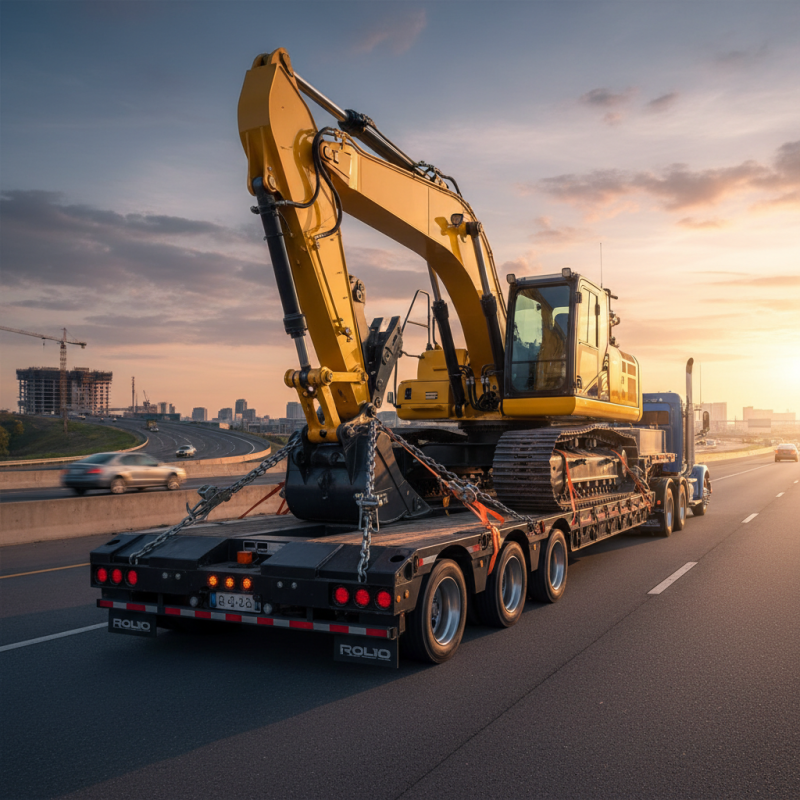
Top 10 Tips for Securing Heavy Machinery on a Lowboy Trailer?

Understanding the Importance of Securing Heavy Machinery on Trailers

Securing heavy machinery on lowboy trailers is crucial for safety and efficiency in transportation. Studies from the National Institute for Occupational Safety and Health (NIOSH) show that inadequate securing of loads can lead to nearly 30% of all transportation-related injuries. Equipment can shift or even topple, posing serious risks to drivers and other road users.

Proper load securing goes beyond using chains or straps. It involves understanding weight distribution and the proper use of blocking and bracing techniques. Research indicates that a well-secured load not only improves safety but can also reduce delivery times. However, many operators still overlook these practices, leading to accidents and downtime. Investing time in training can significantly improve practices.

It's essential to evaluate equipment and securing methods regularly. Regular audits can reveal flaws in current practices. Awareness of potential issues creates a more secure environment. As the industry evolves, adaptability becomes vital. Even experienced operators can benefit from reassessing their techniques. Keeping safety at the forefront ensures responsible transport of heavy machinery.

Top 10 Tips for Securing Heavy Machinery on a Lowboy Trailer

Tip Number Tip Description
1 Inspect Trailer Ensure the lowboy trailer is in good condition before loading machinery.
2 Use Proper Tie-Downs Utilize appropriate tie-down straps and chains rated for the equipment weight.
3 Positioning Center the load on the trailer to maintain balance during transport.
4 Secure Load at Multiple Points Fasten machinery at several points for added stability during transit.
5 Check Weight Limits Do not exceed the trailer’s maximum weight capacity to ensure safety.
6 Use Wheel Chocks Place chocks under the wheels to prevent movement when loading.
7 Regularly Tighten Straps Recheck and tighten straps and chains during transit.
8 Consider Weight Distribution Distribute weight evenly to avoid swaying and tipping.
9 Conduct a Final Inspection Do a thorough check before departure to ensure everything is secure.
10 Follow Local Regulations Ensure compliance with local laws regarding equipment transport.

Choosing the Right Lowboy Trailer for Heavy Machinery Transport

When choosing a lowboy trailer for heavy machinery transport, consider its weight capacity. Different models cater to varying weights. Make sure the trailer can handle the heaviest piece of machinery you own. This prevents overloading and potential accidents on the road.

Another vital aspect is the trailer's length. A longer trailer allows for better weight distribution, especially for large equipment. Check the overall dimensions of your machinery and ensure it fits comfortably on the trailer. Adequate space minimizes the risk of shifting during transport.

Don’t forget the trailer’s design. Lowboy trailers come with several features that enhance stability. Look for adjustable ramps and robust tie-down points. These elements ensure that your machinery is secure throughout the journey. Furthermore, inspect the trailer's condition before use. Any signs of wear can affect safety. Consider maintenance history as a part of your decision-making process.

Essential Equipment for Securing Machinery on a Lowboy Trailer

When securing heavy machinery on a lowboy trailer, the right equipment plays a crucial role. Ratchet straps are essential. They provide a strong grip and can withstand significant tension. The Occupational Safety and Health Administration (OSHA) reports that improper securing often leads to accidents. Using high-quality, durable ratchet straps can reduce this risk.

Chain binders are another vital tool. According to industry research, chains are more effective for heavier loads. They offer stability, preventing machinery from shifting during transit. Always inspect chains for wear and tear. Frayed chains increase the chance of failure.

Additionally, consider using wheel chocks and corner protectors. These items minimize movement and prevent damage to both the machinery and the trailer. The National Safety Council highlights that nearly 20% of trucking accidents involve shifting loads. Properly utilizing these essential items can significantly enhance transportation safety. Regular training on securing loads also fosters a safety-first culture.

Step-by-Step Guide to Properly Tie-Down Heavy Equipment

Tying down heavy machinery on a lowboy trailer requires attention to detail and skill. First, assess the weight and size of the equipment. Knowing these dimensions helps in selecting the right tie-down method. Use chains or heavy-duty straps rated for your machinery's weight. Ensure they fit securely without excessive slack.

Position the equipment centrally on the trailer. This layout maintains balance and stability during transport. Use at least four tie-down points to secure the machinery. If one strap fails, others will hold the load in place. Inspect connections regularly. Is everything tight? Any wear on the straps? Regular checks can prevent accidents.

Consider adding additional safety measures, like wheel chocks. These can prevent movement during transit. Remember, securing heavy equipment is not just about following the steps; it’s about understanding the risks involved. Engaging in this process thoughtfully can improve safety outcomes. Always reflect on your practices to enhance your skills.

Top 10 Tips for Securing Heavy Machinery on a Lowboy Trailer

Safety Tips for Transporting Heavy Machinery on Lowboy Trailers

Transporting heavy machinery on lowboy trailers requires careful planning and stringent safety measures. One crucial tip is to assess the weight distribution of the load. An unbalanced load can lead to instability. It’s essential to secure the machinery with high-quality straps or chains. Regularly check for wear and tear to prevent failure during transit. Inadequate securing methods can lead to loss or damage.

Before hitting the road, conduct a thorough inspection of the trailer and its attachments. Ensure that the brakes and lights are functioning properly. A malfunctioning brake system can be disastrous. Also, consider using spotters when loading and unloading. This extra set of eyes can help guide and prevent accidents.

Another often overlooked aspect is environmental factors. Be aware of road conditions and weather forecasts. Rain, snow, or ice can affect traction. Strive to transport during favorable conditions when possible. Reflect on past experiences to continually improve safety practices. Each journey offers lessons that can enhance safety measures for the future. Safety should never be compromised, as the risks are significant.

FAQS

: Why is securing heavy machinery on trailers important?

: It ensures safety during transport and can prevent nearly 30% of transportation-related injuries.

What methods are effective for securing loads?

Proper load securing involves chains, straps, and techniques like blocking and bracing for stability.

How can well-secured loads benefit delivery times?

Studies show that securing loads properly may reduce delivery times, enhancing efficiency.

What should I regularly evaluate regarding heavy machinery transport?

Regular audits of equipment and securing methods can reveal flaws and improve safety.

What factors should I consider when choosing a lowboy trailer?

Focus on weight capacity, length, and design features that enhance stability and secure transport.

How does trailer length impact machinery transport?

Longer trailers allow for better weight distribution, reducing the risk of shifting during transport.

What are key features to look for in a lowboy trailer?

Look for adjustable ramps and robust tie-down points for maximum load security.

How can I ensure the trailer is safe to use?

Inspect the trailer’s condition and maintenance history before use to identify any potential issues.

Why should operators reassess their securing techniques?

Even experienced operators can overlook important practices, increasing risks during transport.

What is a common oversight among heavy machinery operators?

Many operators neglect proper securing practices, which can lead to accidents and increased downtime.

Conclusion

Securing heavy machinery on a lowboy trailer is crucial for ensuring safe transport and preventing accidents. Understanding the importance of proper securing methods is the first step, as it not only protects the equipment but also safeguards other road users. Choosing the right lowboy trailer tailored to the machinery's size and weight is essential for effective transport.

To successfuly learn how to secure heavy machinery on a lowboy trailer, one must utilize the essential equipment, such as straps, chains, and blocks. Following a step-by-step guide for tie-down procedures will help ensure that all machinery is stable during transit. Additionally, adhering to safety tips, like regularly checking the equipment during the journey, will further enhance safety measures and ensure a secure transport experience.

Henry

Henry

Henry is a dedicated marketing professional with a profound expertise in the company's offerings. With years of experience in the industry, he possesses an impressive understanding of the market dynamics and consumer behaviors that drive success. Henry is committed to sharing his insights through......