Why Is My Sprinkler Truck Water Pressure Low Solutions?

Time:2026-07-30 Author:Madeline
0%

When it comes to managing water pressure in sprinkler trucks, many operators find themselves pondering, "why is my sprinkler truck water pressure low?" According to industry expert Mark Thompson, a seasoned irrigation specialist, “Low water pressure can lead to uneven distribution and unsatisfactory results.” Understanding the reasons behind this issue is crucial for effective irrigation.

Several factors can contribute to low water pressure. One common cause is a clogged filter or nozzle, which restricts water flow. Regular maintenance and checks can prevent such problems from arising. Additionally, the distance from the water source to the sprayer can impact pressure levels. If the distance is too long, the pressure may drop significantly along the way.

It's also essential to consider the equipment's condition. Aging hoses or connectors can create leaks, causing a further dip in pressure. Regular inspection of the system can help identify these issues before they escalate. By asking "why is my sprinkler truck water pressure low," operators can ensure they maintain optimal performance and achieve desired irrigation results.
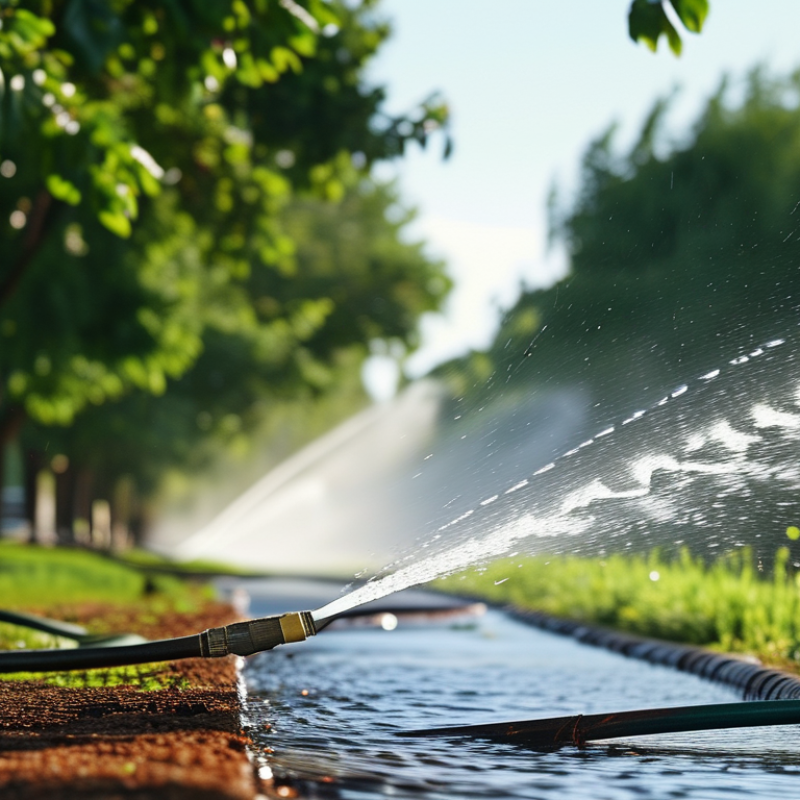
Why Is My Sprinkler Truck Water Pressure Low Solutions?

Understanding Sprinkler Truck Water Pressure: Key Factors and Challenges

Water pressure in a sprinkler truck is vital for effective irrigation. Understanding the key factors is crucial for maintaining optimal performance. Low water pressure can stem from several issues. A clogged filter may restrict water flow. Debris buildup in hoses can also hinder pressure. Regular maintenance helps to avoid these common pitfalls.

Another challenge is the water supply itself. If the source water lacks sufficient pressure, it directly impacts the truck's performance. Additionally, leaks in the system can drastically lower pressure levels. Inspecting all connections, valves, and hoses is necessary. Ignoring small leaks can lead to significant pressure problems.

Moreover, the truck’s pump age and condition play a pivotal role. Older pumps may not deliver pressure effectively. Upgrading to a more efficient model may seem costly but can improve efficiency. Understanding these factors allows for better troubleshooting. Regular checks and maintenance can prevent unexpected issues. Monitoring water pressure shouldn’t be neglected; it’s key to successful lawn care.

Common Causes of Low Water Pressure in Sprinkler Trucks: An Overview

Low water pressure in sprinkler trucks can be frustrating. Identifying the causes is the first step toward a solution. Common issues include leaks in hoses, filters that are clogged, or issues with your water source. A hose with a small puncture can seriously affect pressure levels. Make sure to inspect all hoses regularly for signs of wear and tear.

Tips: Regularly check the filters. Clogged filters restrict water flow. A simple cleaning can enhance performance. Also, examine connections for tightness. Loose fittings can lead to significant pressure drops.

In some cases, the water source might itself be the problem. Low availability can stem from municipal restrictions or seasonal changes. Adjusting your schedule to optimize timing can help. Another thing to consider is the age of your equipment. Older trucks may require more maintenance to function effectively, and they can decrease in efficiency over time. Keeping a maintenance log may offer insights into recurrent problems. Addressing these issues early can prevent costly repairs.

Common Causes of Low Water Pressure in Sprinkler Trucks

Cause Description Potential Solutions
Clogged Filters Accumulated debris in the filters dramatically reduces water flow. Regularly clean or replace filters.
Leaky Hoses Leaks in hoses can result in a significant loss of water pressure. Inspect hoses for leaks and repair or replace them as needed.
Blocked Nozzles Debris can block sprinkler nozzles, limiting water flow. Clean nozzles regularly to ensure optimal performance.
Insufficient Tank Supply Low water levels in the supply tank can mean insufficient pressure. Monitor water levels and refill the tank as necessary.
Pump Issues A malfunctioning or worn-out pump will not generate adequate pressure. Inspect and service the pump regularly for optimal performance.

Measuring and Monitoring Water Pressure: Industry Standards and Tools

Measuring and monitoring water pressure is crucial for any sprinkler truck operator. Accurate pressure readings ensure efficient system operation. Tools like pressure gauges and flow meters are commonly used in the industry. These tools help identify issues quickly, saving time and reducing costs.


Regular monitoring can reveal fluctuations in water pressure. These fluctuations may indicate underlying problems, such as leaks or blockages. Operators should consider routine checks to maintain optimal performance. Understanding industry standards also plays a key role. Different systems have varying pressure requirements, and knowing these can prevent operational mishaps.


Operators often overlook minor details, like gauge calibration. A poorly calibrated gauge can lead to false readings. This is where experience becomes essential. Learning from past mistakes can significantly improve monitoring practices. In many cases, re-evaluation and adjustment are necessary to ensure reliability. Regular maintenance and proper techniques are fundamental to avoid these common pitfalls.

Effective Solutions for Restoring Sprinkler Truck Water Pressure

When dealing with low water pressure in your sprinkler truck, identifying the problem is essential. Begin by checking for clogs in the system. Sediment buildup can restrict water flow, so clear out filters and hoses. Ensure all connections are tight. Loose fittings can result in leaks, further reducing pressure.

Another common issue is the pump functionality. If your pump is malfunctioning, it won’t generate the needed pressure. Test it following the manufacturer's guidelines. This involves listening for unusual noises or checking for vibrations. Regular maintenance can prolong your pump's life and keep it running efficiently.

**Tip:** Inspect your hoses regularly for signs of wear or damage. Replace them immediately to avoid low pressure issues. A simple visual check can save time and money.

**Tip:** Always ensure your water source is adequate. If you're drawing from a low-capacity tank, it may not supply enough pressure to the system. Adjust your setup to improve performance.

Ultimately, a systematic approach in troubleshooting can lead to effective solutions. Patience is key in identifying and resolving these issues. Familiarity with your equipment is vital for consistent results.

Preventive Maintenance Tips to Avoid Low Water Pressure Issues in Sprinkler Trucks

Maintaining proper water pressure in sprinkler trucks is crucial for efficient operation. Neglecting regular maintenance can lead to significant issues, including low water pressure. According to a report by the Irrigation Association, around 60% of irrigation professionals noted that low water pressure significantly affects their service delivery. Regular checks can identify early signs of trouble.

Preventive maintenance is key. Start by examining the hoses and fittings for leaks. Even a small leak can waste water and reduce pressure. Pumps should be cleaned and serviced to ensure optimal performance. According to the American Society of Agricultural and Biological Engineers, properly maintained pumps can improve efficiency by up to 30%.

Monitoring the system regularly is vital. Install pressure gauges to track performance. If pressure dips unexpectedly, investigate potential blockages in the lines. It's essential to address these issues promptly. Regular maintenance can prevent costly repairs in the long run. Yet, many operators overlook these tasks, leading to chronic low pressure problems. Establish a routine to ensure all components remain in good condition.

FAQS

: What is the importance of water pressure in a sprinkler truck?

: Water pressure is vital for effective irrigation. It directly affects the performance of the truck.

What are common causes of low water pressure?

Common causes include clogged filters, leaks in hoses, and low pressure from the water source.

How can clogged filters affect water pressure?

Clogged filters restrict water flow. Cleaning them can significantly enhance performance and restore pressure.

Why should hose connections be inspected regularly?

Loose fittings can lead to significant pressure drops. Regular checks can prevent leaks and maintain pressure.

What should I do if my pump is not functioning well?

Check for unusual noises and vibrations. Regular testing helps ensure your pump generates adequate pressure.

How does the age of equipment impact water pressure?

Older trucks may require more maintenance and can decrease in efficiency over time. Regular maintenance is essential.

What role does the water source play in pressure issues?

An inadequate water source can limit pressure. Ensuring a suitable water supply is crucial for optimal performance.

How can I effectively prevent low water pressure issues?

Conduct routine maintenance checks on hoses, filters, and connections. Early action can prevent costly repairs.

What to look for during hose inspections?

Inspect hoses for signs of wear or damage. Replace any damaged hoses immediately to avoid pressure issues.

Why is monitoring water pressure essential?

It is key for successful lawn care and can prevent unexpected, costly problems. Regular checks ensure system efficiency.

Conclusion

When addressing the question of "why is my sprinkler truck water pressure low," it’s essential to understand the key factors and challenges affecting water pressure in these vehicles. Common causes of low water pressure include leaks, pump issues, and blockages in the system. For effective troubleshooting, measuring and monitoring water pressure using industry standards and appropriate tools is crucial.

To restore proper water pressure, a range of solutions can be implemented, such as repairing leaks, servicing pumps, and cleaning filters. Additionally, preventive maintenance practices are vital to avoid future low water pressure issues, ensuring that sprinkler trucks operate efficiently. Regular checks and timely interventions can help maintain optimal performance and prevent costly repairs.

Madeline

Madeline

Madeline is a dedicated marketing professional with a wealth of expertise in our company's core offerings. With a keen understanding of the industry, she brings a unique perspective to her role, consistently delivering high-quality content that highlights the superior aspects of our products. As......