If you’ve ever wondered, "why is the steering vibrating on my heavy duty truck," you are not alone. Many truck owners experience this issue. According to John Davis, a veteran mechanic with over 25 years in the industry, “Steering vibrations are often a symptom of deeper problems.” It’s crucial to identify the cause early to avoid costly repairs.
Vibrations can stem from numerous factors. Tire imbalance is a common culprit, affecting your truck's stability. Worn suspension components can also lead to unsettling vibrations. Regular maintenance is key. Repairs might seem overwhelming, yet understanding the source helps in addressing it effectively.
If you notice steering vibrations, don’t dismiss them. Reflect on the potential issues at play, and seek expert advice. Be proactive in your truck’s care to ensure safety on the road. Remember, ignoring these signs can lead to more severe problems down the line.
Top 10 Reasons for Heavy Duty Truck Steering Vibration: Overview
Heavy-duty truck steering vibration can be frustrating. Identifying root causes is crucial for safety and performance. Common factors include misaligned wheels, worn-out tires, and imbalanced loads. These issues can create unnecessary strain, affecting driver control and comfort.
Another significant cause is damaged suspension components. A failing shock absorber can lead to excessive bounce. This impacts steering response and can lead to vibrations. Additionally, loose steering parts can create instability. Regular inspections can prevent these problems. They can save you from potential accidents on the road.
Sometimes, vibrations result from inadequate maintenance. Neglecting to check fluid levels or replacing worn parts can worsen the situation. It’s essential to address minor issues before they escalate into major repairs. Engaging a trusted mechanic can provide insights into your truck’s condition.
Understanding the Impact of Tire Imbalance on Steering Stability
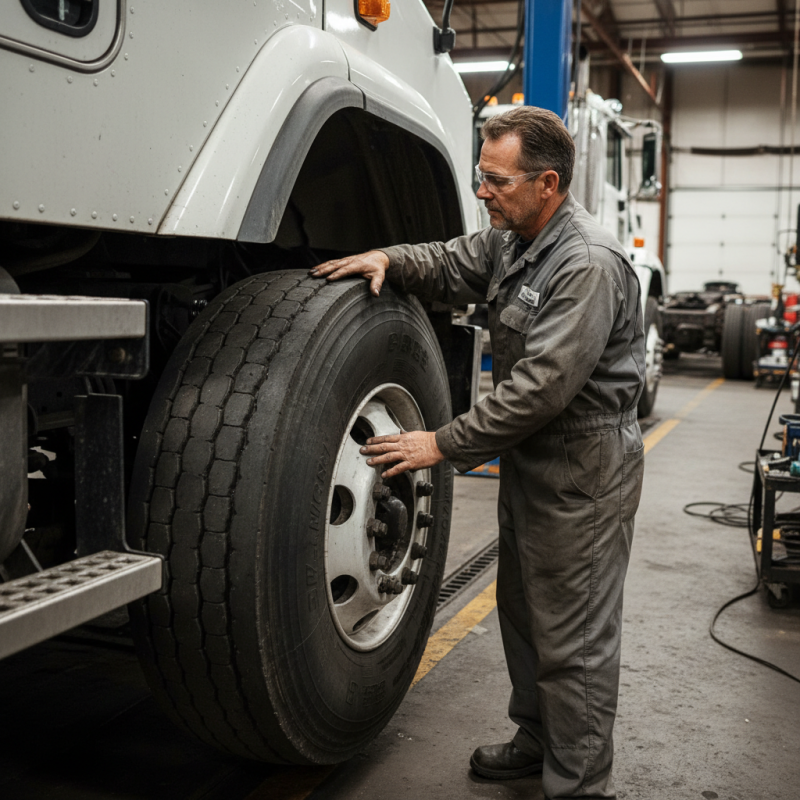
Tire imbalance significantly affects the steering stability of heavy-duty trucks. When tires are not evenly balanced, they create uneven forces during rotation. These forces lead to vibrations in the steering wheel, which can become quite uncomfortable. Drivers may feel these vibrations at high speeds, causing concern about vehicle control and safety. Even minor imbalances can escalate into major issues.
It's crucial to regularly check the tire balance. Neglecting this can result in uneven tire wear and decreased traction. A poorly balanced tire can also affect suspension components, leading to further mechanical problems. It’s a cycle that can escalate costs and reduce vehicle reliability. Ensuring the tires are balanced may require professional help. However, if tire health isn’t monitored, the problem might not be fixed.
Drivers should be aware of their vehicle's response. If a steering vibration occurs, it could signal tire issues or other mechanical failures. Ignoring these signs can lead to more serious consequences down the line. Regular inspections and proactive maintenance play a key role in addressing tire balance. Taking small, mindful steps can make a noticeable difference in steering stability.
Top 10 Reasons Why Your Heavy Duty Truck Steering Vibrates? - Understanding the Impact of Tire Imbalance on Steering Stability
| Reason |
Description |
Potential Solution |
| Tire Imbalance |
Weight distribution issues in tires can lead to uneven rotation. |
Regular wheel balancing and alignment checks. |
| Worn Out Tires |
Tires that have uneven tread wear can cause steering vibrations. |
Replace worn tires and maintain proper tire pressure. |
| Loose Steering Components |
Wear and tear can result in loose tie rods and joints. |
Inspect and tighten or replace loose components. |
| Misalignment |
Improper wheel alignment can affect steering geometry. |
Schedule regular alignment services. |
| Brake Issues |
Warped brake rotors can cause vibrations during braking. |
Evaluate and replace warped rotors. |
| Suspension Problems |
Damaged or worn suspension components can disrupt stability. |
Inspect and refurbish suspension systems. |
| Drive Shaft Imbalance |
Imbalances in the drive shaft can transmit vibrations. |
Balance or replace the drive shaft as needed. |
| Worn Out Steering Gear |
A degraded steering gear can lead to inconsistent steering responses. |
Verify steering gear condition and replace if necessary. |
| Heavy Loads |
Excessive weight can strain the steering system. |
Ensure loads are within vehicle capacity limits. |
| Improper Tire Inflation |
Under or overinflated tires can cause steering instability. |
Check and maintain correct tire pressure regularly. |
The Role of Suspension System Defects in Steering Vibration
Heavy-duty trucks are essential for transporting goods. However, steering vibration can cause issues. One significant factor contributing to this problem is the suspension system. When components of the suspension system wear out or become damaged, that can directly affect steering performance.
Defective shock absorbers, for instance, may lead to uneven weight distribution. This imbalance results in vibrations that resonate through the steering wheel. Moreover, worn bushings and linkages can create extra play in the steering mechanism. When these parts fail, the driver may struggle to control the vehicle effectively. This scenario is a dangerous oversight.
Regular maintenance and inspection are critical. Drivers may overlook small signs of wear, thinking they are inconsequential. However, even minor defects in the suspension can escalate. Therefore, addressing these defects promptly is essential for safety and performance. Understanding the role of the suspension in steering issues can lead to better vehicle management.
How Steering Linkage Wear Affects Heavy Duty Truck Control
Steering linkage wear can significantly impact the control of heavy-duty trucks. The steering linkage connects the steering wheel to the wheels. As it wears down, it causes vibrations and instability. This wear can result from constant use and stresses from heavy loads. Drivers may notice a lack of responsiveness as the wear progresses.
Vibrations in the steering wheel can make it difficult to maintain a straight path. This can be a concerning issue for truck drivers, especially in high-speed environments. When steering linkage components are worn, alignment issues arise too. A misaligned axle can exacerbate the problem, leading to uneven tire wear and increased repair costs.
Tips: Regular inspections of the steering linkage can help catch wear early. Pay attention to any unusual noises or sensations when steering. Keeping tires properly inflated will aid in a smoother ride. Always seek professional help when vibrations are persistent. Addressing these issues promptly ensures safer driving and prolongs the life of the truck. Understanding the signs of wear can ultimately prevent bigger problems down the road.
The Influence of Wheel Alignment Issues on Steering Behavior
Poor wheel alignment can significantly affect your heavy-duty truck's steering behavior. When the wheels are not properly aligned, they can cause uneven tire wear, leading to vibration in the steering wheel. According to a report by the American Trucking Associations, misalignment can reduce fuel efficiency by up to 10%. This not only affects handling but also increases operational costs.
Vibrations are often a sign of alignment issues. If you notice your truck pulling to one side, it’s time for an inspection. Neglecting this can result in more severe damage over time. Regular wheel alignment checks can save you from expensive repairs and improve safety on the road.
**Tip:** Make it a routine to check your wheel alignment every 6,000 miles.
Another factor to consider is that worn-out suspension components can exacerbate steering vibrations. Shocks and struts that are out of shape can lead to poor handling and compromised safety. Monitoring these components can preserve not just the truck, but also the lives relying on it.
**Tip:** Look for signs like unusual tire wear or a wandering steering wheel. Addressing these issues quickly can prevent further complications.
Top 10 Reasons Why Your Heavy Duty Truck Steering Vibrates
The Importance of Regular Maintenance in Preventing Steering Vibrations
Regular maintenance plays a crucial role in preventing steering vibrations in heavy-duty trucks. According to the American Trucking Associations, nearly 30% of fleet maintenance budgets are spent on tire and steering-related issues. Over time, components wear down, leading to misalignment and imbalanced tires. When these issues arise, the driver often experiences vibrations that can lead to bigger problems.
Routine checks, including tire pressure adjustments and alignment inspections, can significantly reduce the risk of vibrations. A study from the Society of Automotive Engineers noted that improper alignment can increase tire wear by up to 20%. Regular maintenance not only enhances driver comfort but also ensures the longevity of vehicle components. If drivers neglect these maintenance tasks, they may face deteriorating performance and increased repair costs.
Many drivers think they can ignore minor vibrations. This approach can be costly in the long run. A small issue can escalate quickly, creating unsafe driving conditions. Addressing these vibrations promptly through regular maintenance checks can save time and money. Ignoring them might lead to safety hazards, as well as more extensive repairs in the future. Awareness of these maintenance needs is key.
FAQS
: Tire imbalance occurs when tires are not evenly weighted, causing uneven forces during rotation.
It creates vibrations in the steering wheel, especially at high speeds, which can be uncomfortable and concerning.
Neglecting tire balance leads to uneven wear, decreased traction, and potential mechanical problems.
Steering vibrations can signal tire problems or other mechanical failures that need attention.
Worn suspension components can lead to uneven weight distribution and vibrations, making control difficult.
Look for unusual vibrations or handling changes; these may indicate upcoming problems.
Yes, ensuring proper tire balance might require assistance from a professional, especially if issues persist.
Yes, even small wear in suspension can escalate, affecting safety and overall vehicle performance.
Regular inspections are crucial; this helps catch small defects before they become larger issues.
It enhances steering stability and overall vehicle reliability, reducing the chance of major problems.
Conclusion
Heavy duty truck steering vibrations can be attributed to various causes, making it essential for drivers to understand why is the steering vibrating on my heavy duty truck. Notable factors include tire imbalance, which directly impacts steering stability and can lead to uneven wear. Additionally, defects within the suspension system can contribute significantly to vibration issues, affecting overall ride quality and control.
Moreover, worn steering linkage can further compromise vehicle handling, while improper wheel alignment can lead to unpredictable steering behavior. Regular maintenance plays a vital role in preventing such vibrations by ensuring that all components, including tires, suspension, and alignment, are in optimal condition. Being proactive about these issues will not only enhance driving comfort but also ensure safer operation of heavy duty trucks on the road.

 Flex Truck