Top 10 Reasons Why Is My Sprinkler Truck Water Pressure Low?

Time:2026-05-03 Author:Sophia
0%

Maintaining optimal water pressure in your sprinkler truck is vital for effective landscaping and irrigation. If you’re wondering, "why is my sprinkler truck water pressure low," you are not alone. Many users encounter this issue, leading to inefficient watering and possible damage to plants. Understanding the reasons behind low water pressure can help you troubleshoot more effectively.

Several factors could affect water pressure in your sprinkler truck. Clogged filters or hoses can restrict flow. Additionally, improper settings or worn-out equipment may contribute to diminished performance. Moreover, external factors like municipal water supply fluctuations can also play a role. It's crucial to inspect your system regularly to prevent these issues.

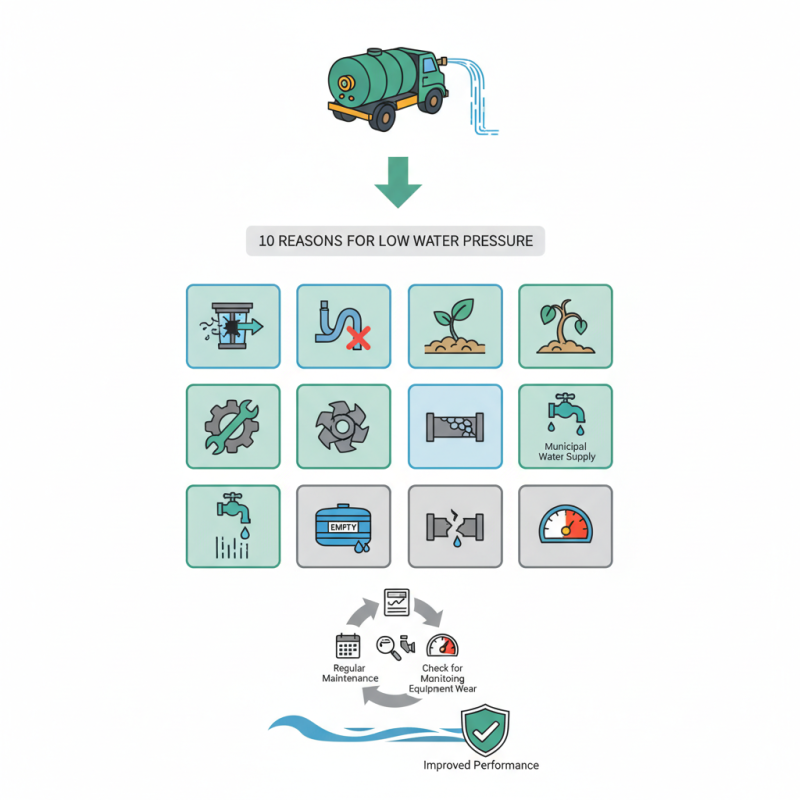
Knowing why your sprinkler truck struggles can save time and resources. Each cause presents an opportunity for improvement. Consider the details: regular maintenance schedules, checking for blockages, and monitoring equipment wear. Addressing these concerns promptly ensures your system delivers the performance you expect. Knowing how to identify and resolve water pressure problems enhances your overall irrigation strategy.
Top 10 Reasons Why Is My Sprinkler Truck Water Pressure Low?

Common Causes of Low Water Pressure in Sprinkler Trucks

When operating a sprinkler truck, low water pressure can be frustrating. Several common causes contribute to this issue. Clogged filters are often the first culprit. Debris can accumulate, restricting water flow and resulting in weak pressure. Regularly inspecting and cleaning filters is vital.

Another frequent cause is leaks in the hoses. Even tiny leaks can lead to significant pressure drops. Inspect hoses for signs of wear or damage. Repairing these leaks promptly can restore water pressure. Additionally, the water source itself may lack sufficient pressure. Checking the supply can sometimes reveal external problems.

Lastly, malfunctioning pressure regulators can create issues. These components are designed to maintain consistent pressure. If they fail, water pressure can drop unexpectedly. Routine maintenance and checks can help identify such problems early. Addressing these causes not only improves performance but ensures efficient operation of your sprinkler system.

Top 10 Common Causes of Low Water Pressure in Sprinkler Trucks

Diagnosing Plumbing Issues Affecting Water Pressure

Low water pressure in your sprinkler truck can stem from various plumbing issues. Understanding these issues is crucial for effective troubleshooting. According to industry reports, approximately 30% of plumbing systems experience low pressure problems due to blockages and leaks. These can result from sediment buildup, especially in older systems. Regular maintenance, therefore, is key to avoiding complicated repairs.

Check your sprinkler lines. Inspect for any visible leaks or cracks that could be contributing to the low pressure. The American Plumbing Association states that a simple leak can reduce water flow by up to 20%. Also, consider the age of your pipes; older pipes may corrode, constraining water flow significantly.

Here are some tips:

  • First, flush your system to clear any debris that might be causing obstruction.
  • Second, invest in routine inspections by professionals. Their expertise can help identify issues not easily visible to the untrained eye.
  • Lastly, monitor water pressure regularly. A sudden drop might indicate immediate problems within the plumbing system. Regular oversight can ensure that low water pressure becomes a rare occurrence, not a norm.

Understanding the Role of Pumping Systems in Low Pressure

Low water pressure in your sprinkler truck often signals issues with the pumping system. The pump plays a crucial role in generating adequate pressure. When it malfunctions, water flow diminishes. Common problems like worn-out seals or clogged filters can significantly lower efficiency. Even minor leaks can lead to substantial pressure drops.

Many may overlook regular maintenance. Neglecting the pump can lead to poor performance. Dirty water can enter the system and damage the pump. Keep an eye on pressure gauges. If readings drop unexpectedly, investigate immediately. Ignoring these signs can lead to larger, more costly repairs down the line.

Understanding the relationship between the pump and pressure is vital. Ensure your pumping system is properly calibrated. This helps maintain consistent pressure across all areas. Review your sprinkler design. Sometimes, too many outlets can overwhelm the system. Observing all these factors can enhance your truck's performance. Always be proactive in addressing potential issues.

Effects of Hose and Nozzle Size on Sprinkler Water Pressure

When dealing with low water pressure in your sprinkler truck, hose and nozzle size play a crucial role. A smaller hose diameter can restrict the flow of water, resulting in diminished pressure. For instance, using a half-inch hose compared to a three-quarter-inch version could drastically reduce the water output. This restriction can lead to uneven watering patterns, which is frustrating for any operator.

Similarly, the size of the nozzle can affect how water exits. A nozzle with a smaller opening will limit the volume of water sprayed. It's tempting to think that finer nozzles will produce a mist better suited for delicate plants. However, these can further reduce pressure and flow, leading to inefficient watering. Experimenting with different nozzle sizes can reveal preferences, but it’s essential to consider the trade-offs.

Operators might overlook these details when troubleshooting. A lack of pressure isn't always a mechanical issue. Sometimes, it’s the mismatch between hose diameter and nozzle size that creates problems. Observing water flow regularly can help in identifying these issues before they escalate. Efficient watering requires attention to these details, as optimal configurations can make all the difference.

Maintenance Tips to Prevent Low Pressure in Sprinkler Systems

Low water pressure in sprinkler trucks can cause inefficiencies in agricultural irrigation. According to the Irrigation Association, nearly 30% of water used in farming is wasted due to poor system maintenance. Proper upkeep of sprinkler systems is crucial to maintaining high water pressure and ensuring effective irrigation. Regular inspections can help identify leaks or clogs. A small crack can lead to significant pressure drops.

Routine maintenance includes flushing the system to remove any debris. This step can enhance water flow. Inspecting pipes for wear helps too. It is essential to check all fittings and connections. Any loose or damaged parts can drastically reduce pressure. Regularly checking the pressure gauge also allows for early detection of issues.

Temperature changes can impact water pressure as well. In colder seasons, pipes may contract, affecting water flow. Monitor the system closely during these times. Data from the American Society of Agricultural and Biological Engineers indicates that a pressure drop of just 10% can lead to a 25% reduction in effective irrigation coverage. Inconsistencies like this warrant a reflective look into system efficiency and design.

FAQS

: What typically causes low water pressure in my sprinkler truck?

: Low water pressure often results from issues with the pumping system. Common causes include worn seals and clogged filters.

How can I maintain my pumping system effectively?

Regular maintenance helps prevent problems. Check seals, filters, and clean the system to ensure optimal performance.

What is the impact of hose size on water pressure?

A smaller hose diameter restricts water flow. A half-inch hose can reduce output compared to a larger three-quarter-inch hose.

How does nozzle size affect sprinkler system performance?

A smaller nozzle limits water volume. While finer nozzles may produce mist, they can hinder pressure and efficiency.

What maintenance steps can prevent low pressure?

Regular inspections are key. Flush the system, check for leaks, and ensure connections are secure to maintain pressure.

How do temperature changes affect water pressure?

In colder temperatures, pipes may contract, impacting flow. Monitor your system closely during these seasonal shifts.

Why is it important to check the pressure gauge?

Regular pressure checks can catch issues early. A pressure drop can lead to significant losses in irrigation effectiveness.

Can minor leaks really affect pressure?

Yes, even a small crack can cause substantial drops in pressure, leading to inefficient watering and waste.

What should I do if pressure readings drop unexpectedly?

Investigate immediately. Ignoring low readings might result in costly repairs and further efficiency loss.

How might I better understand my sprinkler design?

Review the design comprehensively. Too many outlets can overwhelm the pumping system and lead to inadequate pressure.

Conclusion

In the article "Top 10 Reasons Why Is My Sprinkler Truck Water Pressure Low?", we explore the common causes behind low water pressure in sprinkler trucks. Factors such as plumbing issues, pump system malfunctions, and improper hose or nozzle sizes can significantly impact water pressure. Understanding these elements is crucial in diagnosing the problem effectively.

To maintain optimal water pressure, regular maintenance is essential. Implementing proactive measures can prevent issues that lead to low pressure. By addressing the underlying causes and ensuring proper equipment management, sprinkler truck operators can enhance performance and ensure efficient watering. Thus, knowing why is my sprinkler truck water pressure low is vital for proper system function and longevity.

Sophia

Sophia

Sophia is a dedicated marketing professional with an exceptional depth of knowledge about her company's products and services. With a keen understanding of market trends and customer needs, she crafts insightful blog posts that not only inform but also engage readers, enriching the company’s online......