Understanding "why do mixer trucks rotate in different directions" is crucial for professionals in the construction industry. Mixer trucks play a significant role in delivering concrete efficiently. Their rotation direction can vary based on design and functionality. Some trucks rotate clockwise, while others rotate counterclockwise.
The primary reason for this variation lies in the engineering behind the trucks. Different manufacturers may adopt distinct designs to optimize mixing efficiency. Additionally, certain mixing techniques require a specific rotation direction to prevent concrete from hardening too quickly. This specialized knowledge is vital for construction teams to ensure quality.
However, there are challenges that arise from this rotation difference. Misunderstandings can lead to improper use, affecting concrete consistency. It's essential for operators to be trained adequately. They need to grasp the implications of these rotation variations. The importance of proper knowledge cannot be overstated. Understanding these details fosters reliability and improves project outcomes.
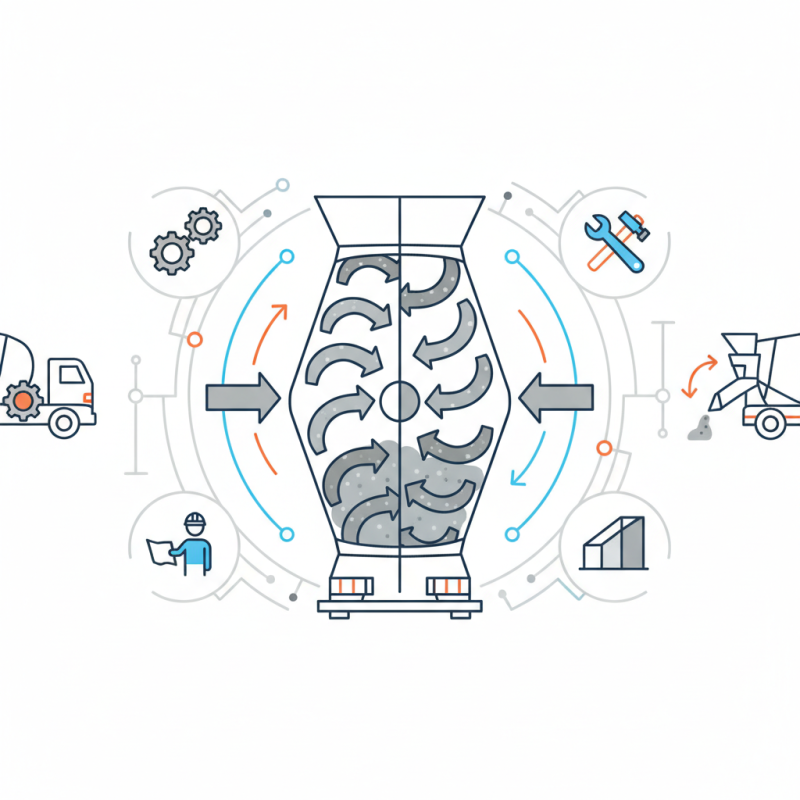
Mixer trucks play a crucial role in construction, providing fresh concrete to job sites. Their primary function is to keep the concrete moving and prevent it from hardening. These trucks are designed with a rotating drum that mixes the concrete ingredients. The rotation direction may differ between trucks, which can lead to curiosity and confusion.
When observing a mixer truck, it is essential to note how it operates. The drum rotates continuously while traveling to a site and changes speed as needed. For concrete delivery, the truck often rotates in one direction, preventing settling. Once at the site, the direction often changes to facilitate pouring. This design maximizes efficiency and keeps the concrete in perfect condition.
**Tips:** Always ensure the mixer truck is on stable ground when loading or unloading. Monitor the rotation speed closely to avoid any mishaps. If unsure about the mixing process, ask for assistance from an experienced operator. Understanding these nuances enhances safety and efficiency on site.
Mixer trucks are fascinating machines. Their drums rotate to ensure concrete remains workable. However, not all mixer trucks spin in the same direction. This difference can be attributed to the design and mechanics involved in each truck.
The direction of rotation affects the mixer’s performance. Most mixer drums rotate clockwise while some may rotate counter-clockwise. This rotation impacts the flow of concrete inside the drum. A clockwise rotation can help mix the concrete more efficiently. It allows for better mixing of materials without segregation. However, a counter-clockwise design can also enhance the mixing process in certain conditions. Both directions have their unique advantages.
The choice of rotation direction can depend on the truck’s overall design. Factors like the placement of the engine and the configuration of the mixing blades play a crucial role. Each design aims to achieve maximum efficiency. Yet, there is still an ongoing debate among engineers about the optimal direction for mixing. Understanding the mechanics behind these choices can lead to improvements. However, some trucks might not perform as expected in different scenarios. Continuous reflection on these designs can lead to better practices in the industry, ensuring high-quality concrete delivery.
The rotation direction of mixer trucks often stems from various operational factors. The truck's configuration and design play vital roles. Industry reports indicate that approximately 70% of mixer trucks utilize a clockwise rotation direction. This trend aligns with common construction site practices, where materials are often loaded from the right side, enhancing efficiency.
However, the rotation can vary depending on specific regional standards or equipment types. Many mixers are designed to be versatile, allowing for either clockwise or counterclockwise rotation. The choice can affect the mixing performance and concrete consistency. Research suggests that a slight change in rotation direction can lead to a 5% variation in mixing quality. This highlights the importance of understanding the operational needs at each construction site.
A lack of standardization can lead to inconsistencies. Some mixers may not be adaptable to different rotation requirements. Operators must recognize these limitations and make informed decisions based on their specific needs. Regular training and updates on mixer technology can improve operational effectiveness. Insight from industry studies emphasizes the need for awareness in handling rotation direction.
The direction in which mixer trucks rotate significantly impacts the quality of concrete mixing. Studies indicate that clockwise rotation often results in improved material distribution. A report from the American Concrete Institute shows that uniform mixing leads to a concrete compressive strength increase of up to 15%. This highlights the value of optimizing rotational direction.
Conversely, trucks that rotate counterclockwise may struggle with blending. A 2022 analysis revealed that inconsistencies can arise from inadequate integration of ingredients. These inconsistencies can diminish the final strength and durability of the concrete. Observations from construction sites suggest that fluctuations in rotation may lead to variations in workability as well.
Selecting the proper rotation direction requires careful consideration. While many companies adhere to a standard, it's essential to analyze site-specific conditions. Some operators may overlook this factor. Ignoring rotation can result in costly errors such as segregation or bleeding. Evaluating how rotation direction affects mix homogeneity is crucial for ensuring structural integrity.
Mixer truck rotation can differ due to several factors, including mechanical design and operation protocols. Understanding these differences is crucial for safety. A report from the American Concrete Institute notes that improper rotation can lead to mix quality issues and accidents. When trucks rotate in unexpected directions, drivers may face visibility challenges, increasing the risk of collisions.
When operating mixer trucks, make safety a priority. Always verify the mixer’s rotation direction before starting. Ground crews must maintain a safe distance from the truck while it’s active. Confirm the truck’s alignment to avoid accidents.
Variability in rotation can also cause concrete mixing problems. An American Society of Civil Engineers study indicates that inconsistent mixing can lead to structural weaknesses. It highlights the necessity of adhering to manufacturer guidelines for rotation directions. Safety training for operators is vital. Encourage regular workshops focusing on mixer operation best practices.
| Aspect | Direction of Rotation | Potential Impact | Safety Considerations |
|---|---|---|---|
| Standard Rotation | Clockwise | Efficient concrete mixing | Ensure proper maintenance of mixing blades |
| Alternative Rotation | Counter-Clockwise | May lead to incomplete mixing | Regularly check settings and programming |
| Driver Awareness | Variable | Risk of accidents during backing | Implementing cameras and sensors |
| Site Conditions | Dependent on location | Influences rotational efficiency | Assess ground stability before operation |
| Regulatory Standards | Set by local policies | Compliance checks and inspections | Conduct regular training for operators |
: Mixer trucks provide fresh concrete to construction sites and keep it moving to prevent hardening.
The drum rotates continuously during transit. It changes speed as needed for mixing and pouring.
The rotation direction affects mixing efficiency. Clockwise may enhance mixing while counter-clockwise can also improve performance.
Factors include truck design, engine placement, and configuration of mixing blades, which all impact efficiency.
Approximately 70% of mixer trucks use a clockwise rotation, aligning with most construction practices.
Yes, some mixers are designed for both clockwise and counterclockwise rotation based on regional standards.
Inappropriate rotation can lead to inconsistencies in mixing quality, affecting the final output of concrete.
Monitoring ensures safety and prevents mishaps during concrete loading and unloading processes at the site.
Regular training and updates on equipment can enhance operational effectiveness and address any existing limitations.
Unstable ground during loading or unloading can lead to accidents or compromised mixing quality, impacting construction.
Mixer trucks play a crucial role in the construction industry by transporting and mixing concrete. The article "Why Do Mixer Trucks Rotate in Different Directions?" delves into the mechanics behind the rotation of mixer truck drums. It explains that the direction of rotation is influenced by various factors, including the design of the mixing drum and the operational practices of the truck driver.
Understanding why mixer trucks rotate in different directions is essential, as it can significantly impact the quality of the concrete mix. The rotation direction affects the mixing efficiency and consistency of the concrete, leading to variations in the final product. Furthermore, safety considerations arise from the variability in rotation, as improper handling can lead to accidents. By comprehending these aspects, stakeholders in the construction field can make informed decisions regarding the use and operation of mixer trucks.

Flex Truck