How to Maintain Your Semi Trailer Braking System in Winter?

Time:2026-08-04 Author:Henry
0%

Winter poses significant challenges for semi-trailer braking systems. Many drivers overlook essential maintenance tasks that ensure safety and reliability. Understanding how to maintain a semi-trailer braking system in winter is crucial for avoiding costly repairs and dangerous situations on icy roads.

Cold temperatures can affect brake fluid and components. Moisture can freeze in the lines, causing malfunctions. Regular inspections can help identify potential issues before they escalate. Checking the brake pads, drums, and linings for wear should be part of your winter routine.

Proper storage and usage also contribute to system reliability. Parking trailers in covered areas can prevent snow accumulation and ice formation. Drivers should be vigilant about brake responsiveness on slippery surfaces. Negligence here can lead to unforeseen accidents. Remember, maintenance is not just a task; it’s a commitment to safety and performance during harsh winter months.
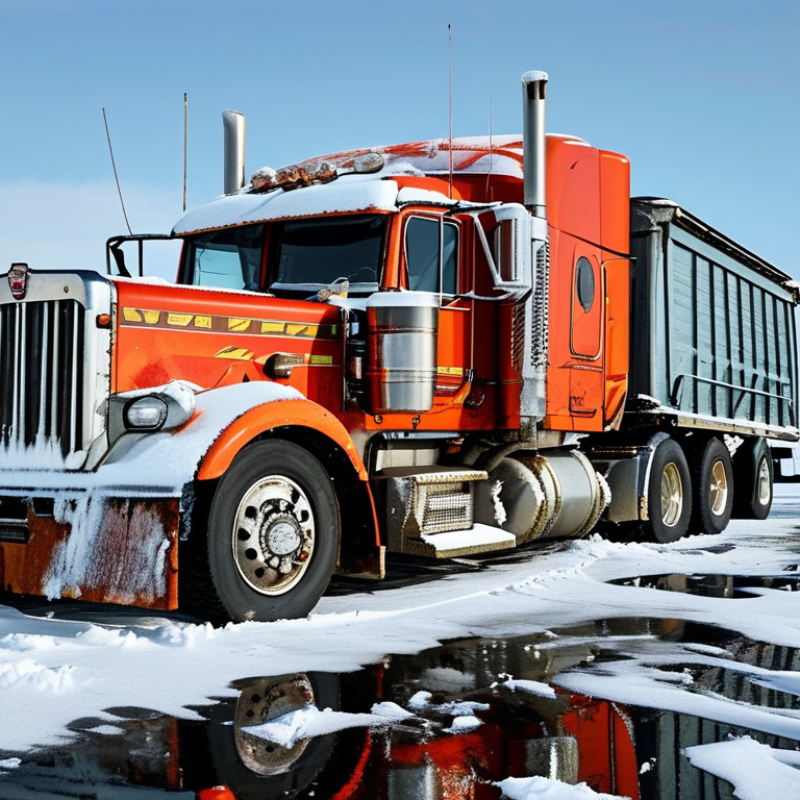
How to Maintain Your Semi Trailer Braking System in Winter?

Understanding the Importance of Winter Maintenance for Braking Systems

Maintaining your semi-trailer braking system during winter is crucial. Cold weather can impact performance, leading to unsafe driving conditions. Ice and snow can obscure brake components, causing them to function improperly. Regular inspection is essential to ensure safety.

Winter maintenance should include checking brake pads and linings for wear. Look for signs of corrosion on the brake drums. Low brake fluid levels can lead to failures. Ensure the brake lines are clear of ice. Inspecting your braking system helps prevent unexpected breakdowns.

Ignoring winter maintenance could lead to severe accidents. Many drivers overlook routine checks in colder months. Regular maintenance could save lives and vehicles. Awareness of potential issues is key to effective upkeep. The importance of winter maintenance cannot be overstated. It ensures your brake system remains reliable when you need it most.

How to Maintain Your Semi Trailer Braking System in Winter
Maintenance Task Frequency Importance Tips
Inspect Brake Pads Before Winter Season High Look for wear and damage
Check Brake Fluid Levels Monthly High Ensure proper levels for functionality
Examine Air Lines Monthly Medium Look for leaks and cracks
Clean Brake Components Every 6 Months Medium Remove dirt and debris
Test Brake Performance Before Long Trips High Perform a road test
Inspect Antifreeze in Brake System Before Winter Season High Prevent freezing and brake failure

Inspecting Brake Components for Winter Readiness

Winter can be tough on semi-trailer braking systems. Proper inspection is essential before the cold sets in. Check brake pads and rotors for wear and tear. Look for cracks or excessive wear on the pads. Frozen moisture can cause these components to bond, leading to brake failure.

Inspect the brake lines. Look for any signs of leaks or damage due to freezing temperatures. Ensure the brake fluid is at the proper level and free from contamination. Consider replacing old fluid, as it can absorb moisture over time. Moisture in the brake system can turn to ice, impacting performance.

Don't forget the trailer's air system. Winter can affect air pressure. Ensure all connections are tight and leak-free. Test the air dryer regularly. It removes moisture, which is vital for optimal braking. Address any issues early to avoid costly repairs later. Always prioritize safety during winter months.

Ensuring Proper Brake Fluid Levels and Quality in Cold Weather

Cold weather can pose significant challenges for semi trailer braking systems. One crucial aspect is maintaining proper brake fluid levels and quality. In winter, the viscosity of brake fluid can change. Ensure you check fluid levels frequently. Low fluid can lead to decreased braking performance, which is risky.

Hydration of brake fluid is vital. Old or contaminated fluid can absorb moisture. This results in reduced effectiveness and may cause brake failure. Consider changing your brake fluid before winter. Regularly inspect for leaks or discoloration. A clear, amber fluid indicates good quality, while cloudy or dark fluid signals that it’s time for a change.

When temperatures drop, perform system checks diligently. Look for cracks in hoses and seals. Verify that components are not frozen or damaged. Conducting these checks can save you from more extensive repairs later on. Taking small precautions can maintain your braking efficiency and ensure safety on icy roads. Reflect on this routine to identify areas for improvement.

Tips for Protecting Air Brake Systems from Freezing Temperatures

Winter can be harsh on semi trailer braking systems. Air brake systems are particularly vulnerable to freezing temperatures. It’s vital to take steps to protect them from the cold. One effective method is to regularly check the air system for moisture. Moisture can turn into ice, causing blockages. Ensure the compressor’s air filter is clean and dry. Using an alcohol-based antifreeze in the air system can also prevent ice formation.

Another area to focus on is the brake lines. Inspect them for any signs of damage or leaks. Cold weather can cause materials to become brittle. Moisture trapped in the lines can freeze, compromising braking performance. Consider keeping your trailer in a heated area when not in use. Maintaining a consistent temperature can prevent freezing issues.

Drivers must also be mindful of how weather affects their driving. Slippery roads can lead to sudden stopping, putting additional stress on the brakes. Regular checks and mindful driving can improve safety during winter trips. Winter conditions challenge both equipment and drivers. Reflecting on your maintenance strategy can lead to better performance. Consider areas that need more attention, and make necessary adjustments.

Best Practices for Conducting Brake System Tests During Winter Months

Winter conditions can be challenging for semi-trailer braking systems. It is crucial to conduct thorough brake system tests during this time. Snow and ice can affect brake performance significantly. Regular checks help ensure optimal safety.

Begin by inspecting brake pads and shoes for wear. Cold weather can lead to harder materials that don't grip well. Consider applying anti-corrosion treatments to the braking components. They help reduce the risk of unforeseen weather-related wear. Test the brake responsiveness by applying gradual pressure. The feel and sound of braking can indicate potential issues.

Additionally, it's wise to check the air system for leaks. Moisture can freeze, which may compromise the air supply. If your system uses drum brakes, ensure they remain free of debris. Cleanliness is vital for reliable braking. Track any irregularities noted during testing. Reflecting on performance can guide future maintenance decisions. Adapting your approach based on these observations can enhance safety on icy roads.

FAQS

: Why is it important to inspect brake components before winter?

: Winter can damage braking systems. Inspection prevents failures due to wear, cracks, and moisture.

How can I check my brake fluid quality in cold weather?

Check for clarity; clear amber fluid is good. Cloudy or dark fluid means it needs changing.

What should I look for in my brake lines?

Inspect for leaks and damage, especially from freezing temperatures. Ensure they are secure and intact.

How does cold weather affect brake fluid?

Cold can change fluid viscosity. Low fluid levels can lead to decreased braking performance.

What routine checks can improve brake safety in winter?

Regularly inspect pads, shoes, and the air system. Address potential issues early to ensure safety.

How can moisture impact my braking system?

Moisture can freeze, causing performance issues. It’s crucial to keep components dry and clean.

What signs indicate that brake pads need replacement?

Look for excessive wear, cracks, or hard materials that don’t grip well. Poor responsiveness is a warning.

What small precautions can enhance braking efficiency?

Perform diligent checks, clean debris from drum brakes, and apply anti-corrosion treatments.

How can I ensure my air system functions properly in winter?

Regularly test for leaks and ensure the air dryer is working. Moisture removal is vital for braking.

What can I do to avoid costly repairs later?

Conduct systematic checks and reflect on any irregularities. Early maintenance can prevent more serious issues.

Conclusion

Maintaining a semi-trailer braking system in winter is crucial for ensuring safety and optimal performance during cold weather conditions. This involves a comprehensive understanding of the specific requirements for winter maintenance, including inspecting brake components to confirm their readiness for harsher climates. Regular checks should ensure that vital parts such as brake pads, rotors, and air lines are free from ice and damage.

Additionally, it is essential to monitor the brake fluid levels and ensure its quality, as cold temperatures can affect fluid performance. Protecting air brake systems from freezing temperatures is another critical step; using anti-freeze solutions and ensuring proper insulation can mitigate risks. Finally, conducting thorough brake system tests during the winter months will help identify any issues before they become serious problems, making these practices vital to knowing how to maintain a semi-trailer braking system in winter effectively.

Henry

Henry

Henry is a dedicated marketing professional with a profound expertise in the company's offerings. With years of experience in the industry, he possesses an impressive understanding of the market dynamics and consumer behaviors that drive success. Henry is committed to sharing his insights through......