As winter approaches, maintaining a safe braking system for semi-trailers becomes crucial. Expert Tom Reynolds, a recognized authority in transportation safety, emphasizes, “The cold can severely impact brake performance.” When temperatures drop, ice and snow can create hazardous conditions.
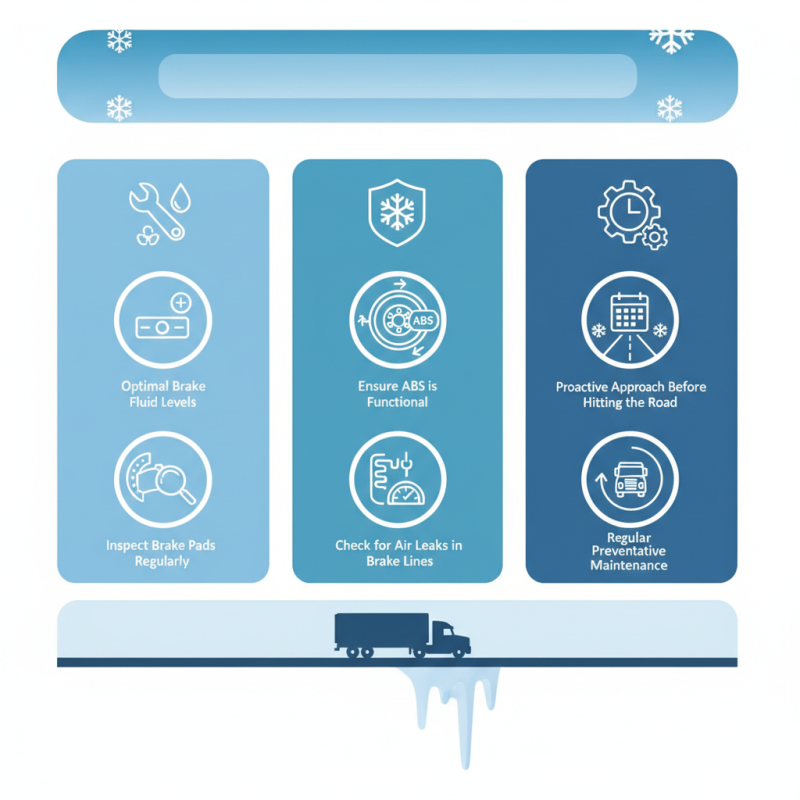
Understanding how to maintain a semi-trailer braking system in winter involves several practical steps. Ensuring the brake fluid is at optimal levels is vital. It’s also essential to inspect brake pads regularly, as wear can escalate with adverse weather conditions. Ensure that anti-lock braking systems (ABS) are functional, as they prevent wheel lock-up on slick surfaces.
Despite precautions, many drivers overlook certain elements. They might neglect checking for air leaks in the brake lines. Failing to do this can lead to brake failure. Winter conditions demand a proactive approach, making it critical to address these concerns before hitting the road. Regular preventative maintenance can enhance safety and efficiency during the harsh winter months.
Winterizing your semi-trailer braking system is essential for safety and reliability. In colder temperatures, moisture can freeze in brake lines. This can restrict fluid flow, leading to brake failure. According to the Federal Motor Carrier Safety Administration, brake-related issues account for 29% of large truck crashes. Proper maintenance is crucial to prevent these accidents.
A thorough inspection before winter begins can prevent costly repairs later. Check the brake pads for wear, inspect the drum and rotor surfaces, and make sure all components are lubricated. Consider using brake fluid with a lower freezing point. Studies show that nearly 40% of truck drivers do not perform regular checks. Ignoring these practices can lead to severe accidents.
Investing time in understanding your braking system’s needs can save lives. Reviewing past performance data helps gauge potential risks in winter. Cold weather demands more from braking systems, particularly at higher weights. Make sure your trailer is equipped for the challenges of winter driving. Trusting actions over assumptions can greatly enhance safety on icy roads.
| Data Dimension | Importance | Winterizing Tips |
|---|---|---|
| Brake Fluid Quality | Ensures proper hydraulic function and prevents freezing. | Regularly check and replace with winter-grade fluid if necessary. |
| Air Brake Systems | Prevents moisture accumulation that can freeze and block lines. | Use anti-freeze solutions for the air tanks. |
| Brake Pad Condition | Worn pads reduce stopping power; critical in winter conditions. | Inspect and replace pads before winter starts. |
| Anti-lock Braking System (ABS) | Enhances control on slippery roads; essential for safety. | Ensure ABS is functioning and alert for any warning lights. |
| Tire Condition | Proper traction is vital for braking efficiency in winter. | Check tread depth and consider winter tires for better grip. |
: It prevents moisture from freezing in brake lines, which can lead to brake failure.
Brake-related issues account for 29% of large truck crashes.
Check brake pads, drum and rotor surfaces, and lubricate all components.
Use brake fluid with a lower freezing point to prevent freezing.
Almost 40% of truck drivers do not perform regular checks.
Regular checks are essential; low fluid levels can lead to brake system failure.
Improper tire pressure can increase stopping distances by up to 30%.
Unique winter conditions require more cautious driving to maintain safety.
Increase following distance to account for slippery roads.
Practice smooth and gradual braking to avoid skids and improve control.
Keeping your semi-trailer braking system safe during winter is crucial for ensuring safe transport in challenging conditions. Understanding the importance of winterizing your braking system includes recognizing common challenges such as reduced traction and increased stopping distances. To effectively maintain safety, it’s essential to implement key maintenance practices like checking brake fluid levels, inspecting components for wear, and ensuring proper lubrication.
When learning how to maintain a semi-trailer braking system in winter, focus on effective inspection techniques that can identify potential failures before they occur. Additionally, adjusting driving habits—such as increasing following distances and gentle braking—can greatly enhance safety. By adopting these practices, drivers can significantly mitigate the risks associated with winter conditions, ensuring reliable braking performance throughout the season.

 Flex Truck