When considering the purchase of a second-hand crane truck, proper inspection is crucial. According to the American Equipment Manufacturers Association, around 80% of used cranes in the market can have hidden issues. Understanding how to inspect a second-hand crane truck before buying can save significant costs and ensure safety on the job site.
Key areas to focus on include structural integrity, hydraulic system condition, and the operational history of the crane. Reports indicate that up to 30% of used cranes may have severe structural problems. Inspecting the boom for cracks or deformities is essential. Additionally, check the hydraulic components; leaks can indicate potential failures.
Ultimately, thorough inspections pave the way for informed decisions. While some buyers may overlook minor details, these can lead to major safety risks or financial losses. Ensuring you don’t skip this vital process will provide peace of mind for both operational safety and investment protection.
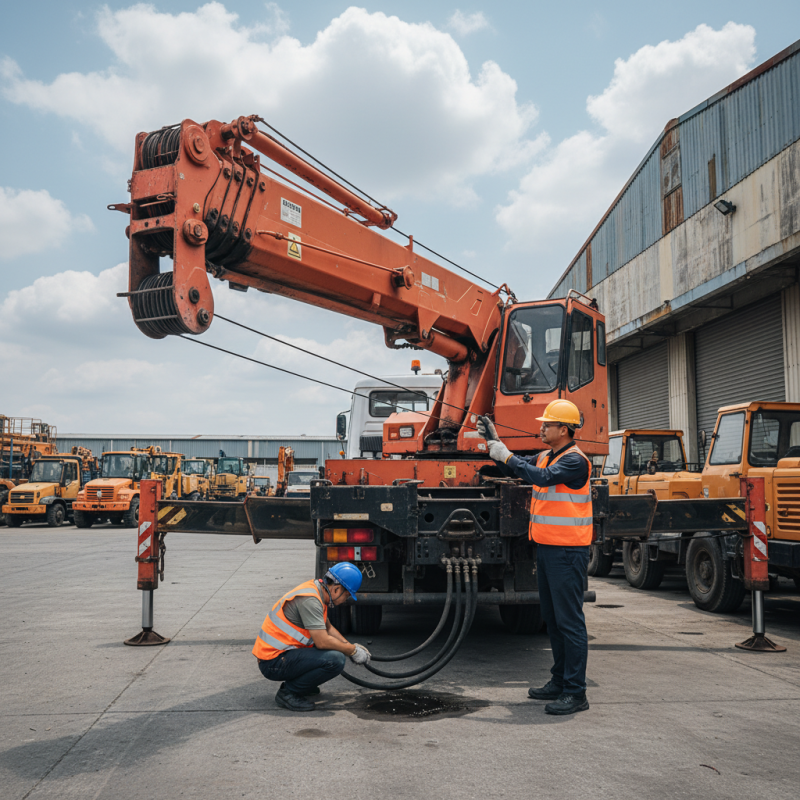
Inspecting a second-hand crane truck is crucial. Each inspection can save you from costly repairs later. Understanding the importance of this process cannot be overstated. You need to evaluate the crane's structural integrity. Check for rust and cracks that could compromise safety.
The mechanical conditions are just as vital. Inspect the engine and hydraulic systems. Listen for unusual noises; they might indicate underlying issues. You can't always see problems. A thorough inspection requires a keen eye and expertise. Bring a seasoned mechanic if possible. Their experience can uncover hidden troubles.
Documentation is another key element. Check maintenance records. Irregularities can signal neglect and potential pitfalls. Ask the owner about past repairs. Honest conversations can reveal much about the crane's history. Remember, buying a second-hand crane truck is not just a transaction; it’s a commitment to safety and reliability.
When inspecting a second hand crane truck, a careful examination of key components is essential. The crane itself is a critical part to assess. Look for signs of wear and rust on the boom. According to industry reports, over 30% of used cranes show some degree of structural damage. Pay attention to hydraulic systems.
Leaks or inconsistent pressure can indicate deeper issues.
Next, check the undercarriage and wheels. These areas are prone to wear from rough terrain. An estimated 25% of used crane trucks have significant undercarriage problems, potentially leading to costly repairs. The condition of the tires can affect safety and performance, so inspect for uneven wear or cracks.
Don’t overlook the control systems. A faulty operation can be dangerous. Up to 20% of crane accidents are linked to operator error, often due to malfunctioning controls. Test the controls while stationary and ensure the response is smooth. Each of these components plays a vital role in reliability and safety. Taking the time to scrutinize them can save money and prevent accidents down the line.
When inspecting a second-hand crane truck, a visual inspection is vital. Start by examining the body for any obvious dents, scratches, or rust. These imperfections might indicate previous accidents or neglect. Pay close attention to the boom and chassis. Cracks or deformations in these areas can signal structural weaknesses. Use a flashlight to check for hidden damages, especially in tight spots.
Next, evaluate the cables and hydraulic systems. Look for fraying or corrosion on the cables. This wear can compromise safety. In hydraulic systems, check for leaks around hoses and joints. Any signs of oily residue might point to potential failures. Observe the wheels and tires as well. Uneven wear could suggest alignment issues.
Make notes of anything that seems off. Some defects might be easily fixable, while others could be significant concerns. Remember, a little time spent on inspection now could save you a lot later. Stay vigilant and thorough. You want to ensure that the crane truck is reliable and safe for your operations. Trust your instincts; if something feels wrong, it may be worth investigating further.
When inspecting a second-hand crane truck, testing its operational functions is critical. Begin with the basic movements. Check the boom, hoist, and swing capabilities. Each part should operate smoothly without unusual noises. According to industry reports, up to 30% of used crane trucks may have hidden mechanical issues. These problems can lead to costly repairs or accidents later.
Pay attention to the load capacity. A crane truck's efficacy hinges on its ability to lift specified weights safely. Verify the hydraulic systems. Faulty hydraulics can decrease lifting performance and lead to failures. Reports suggest that over 20% of second-hand trucks may exhibit hydraulic leaks. Even small leaks can indicate larger issues.
Don’t overlook the safety features. Test the emergency stop functions and alarms. These elements are vital for safe operation. They should activate instantly without delay. If an operational function feels off, ask a professional for a thorough evaluation. This can prevent potential risks and ensure a reliable purchase. The importance of careful inspection cannot be underestimated.
Evaluating maintenance records and service history is crucial when inspecting a second-hand crane truck. These documents provide insight into the machine's past performance and reliability. Check for regular servicing intervals. Look for records indicating routine checks and repairs. Well-maintained trucks often show fewer operational issues.
Inspect any major repairs. A history of significant work might indicate previous problems. Understand the reasons behind these repairs. If the same issues recur, it could signal deeper mechanical flaws. Look for signs of wear and tear, as reflected in service reports. Frequent replacements of parts, like hoists or engines, can hint at unresolved issues.
Ask for documentation on inspections and certifications. These can reveal how well the crane has been maintained. A lack of records might raise red flags. Sometimes, owners are unaware of necessary maintenance. This can lead to inefficient operation or accidents. Engaging with a qualified technician to review the records is advisable. Their expertise could uncover potential risks you may overlook. Trust but verify; it’s essential for ensuring a wise investment.
: Look for wear and rust on the boom. Structural damage is common in used cranes.
They are crucial. Leaks or inconsistent pressure may suggest deeper, costly issues.
Inspect for wear and damage. Significant problems can lead to expensive repairs.
Test controls for smooth operation. Malfunctioning controls can lead to accidents.
Check the boom, hoist, and swing capabilities. Listen for unusual noises.
It ensures safe lifting of specified weights. Faulty hydraulic systems can affect this.
Test emergency stop functions and alarms. They must activate instantly without delay.
Consult a professional for a thorough evaluation. This may prevent potential risks.
Yes, up to 30% of them may have mechanical issues that are not immediately obvious.
It can save money and prevent accidents down the line. Don't rush the process.
When considering how to inspect a second hand crane truck before buying, it's crucial to understand the various elements that contribute to a thorough evaluation. Begin by examining key components such as the hydraulic system, boom, and lift mechanism, as these are critical to the crane's performance and safety. A visual inspection should be conducted to identify any physical damage or signs of wear and tear, which could indicate underlying issues.
Additionally, testing the operational functions of the crane truck is essential to ensure that all mechanisms are working correctly. Lastly, reviewing the maintenance records and service history will provide insights into how well the crane has been cared for and any previous problems it may have faced. By following these guidelines, prospective buyers can make informed decisions and ensure they invest in a reliable piece of machinery.

Flex Truck