Operating a fuel tanker involves significant risks. Ensuring safety is pivotal in preventing accidents and environmental hazards. But what are the safety requirements for operating a fuel tanker? These requirements encompass various facets of operation, from loading to transportation and unloading.
Compliance with safety protocols is not merely a regulatory necessity; it protects lives and assets. Fuel tankers must be fitted with safety valves and equipped with fire suppression systems. Proper training for operators is essential. They must understand the hazards of flammable liquids. Sadly, steps may still be overlooked.
Each incident highlights the necessity for stringent safety measures. An effective safety culture can save lives and avoid disasters. Identifying lapses in safety training and equipment maintenance is vital. Observing best practices can significantly mitigate risks during operations. Ultimately, prioritizing safety ensures a safer environment for all.
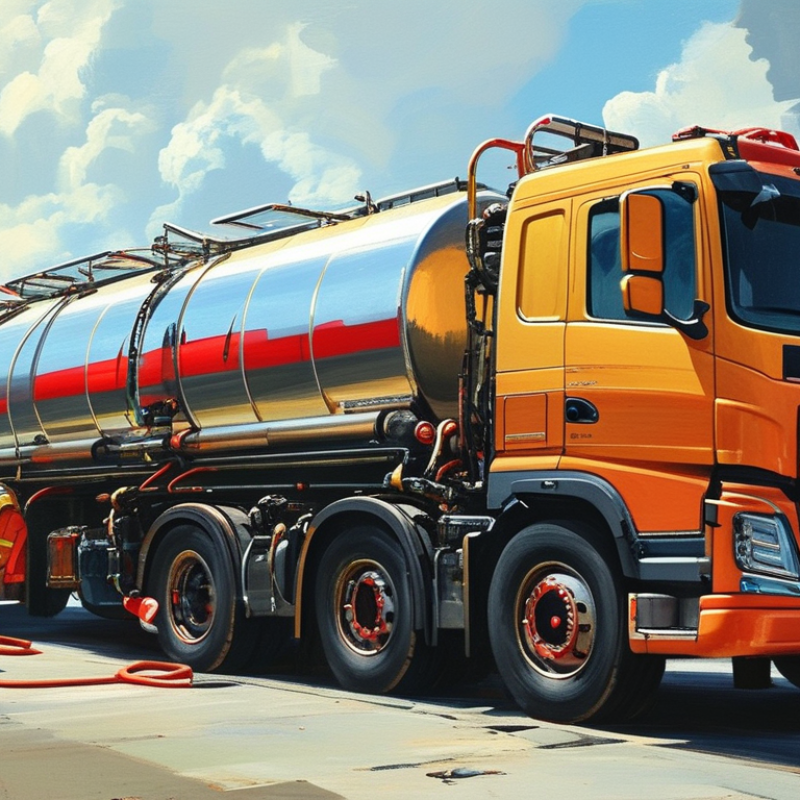
Safety regulations in fuel tanker operations are essential for protecting lives and preserving the environment. These regulations help mitigate risks associated with transporting hazardous materials. By implementing strict safety standards, companies can prevent accidents that could lead to catastrophic outcomes. Adhering to safety protocols safeguards both employees and communities.
Following established protocols can be challenging. Employees may feel pressured to meet tight schedules. This rush can lead to oversights. Effective training programs can help mitigate this risk. Regular safety drills and refreshers ensure that all team members understand their roles. Remember, the well-being of everyone depends on the commitment to safety.
Tips: Always conduct pre-trip inspections. Identify and address any mechanical issues before they become serious. Encourage open communication among crew members. Discuss safety concerns without fear of judgment. Cultivating a culture of safety can lead to better outcomes.
Fuel tanker transportation poses significant risks that must be carefully managed. The most alarming risk is an accidental spill. A minor leak can lead to severe environmental damage. Contaminated water sources and wildlife disruption can result from such incidents. Additionally, fire hazards are a critical concern. The flammable nature of fuel increases the potential for catastrophic explosions. Strict adherence to safety protocols can mitigate these risks.
Moreover, driver fatigue is a key issue in tanker operations. Long hours on the road may impair judgment and reaction times. This can lead to dangerous situations, jeopardizing both the driver and public safety. Implementing regular breaks and monitoring driver health is essential. Equipment failure also presents notable risks. Aging infrastructure and poorly maintained vehicles can contribute to accidents. Regular inspections and timely repairs are vital to ensure safety.
Finally, communication breakdowns during loading and unloading can create hazardous scenarios. Clear protocols and training programs can help prevent misunderstandings. Inadequate training for employees can compound these risks, making it imperative that all personnel understand safety measures. Safety requirements, therefore, are not merely bureaucratic steps; they are essential in protecting lives and the environment. Each step taken to enhance safety is a step toward a more secure future for fuel transportation.
Fuel tanker operations present unique challenges, making safety requirements essential. The nature of transporting volatile substances underscores the need for robust safety protocols. Essential safety equipment, including spill containment systems and state-of-the-art monitoring devices, significantly mitigates risk during transport.
Regular maintenance checks and inspections are crucial. Equipment should always be in top condition. Technologies like GPS tracking systems enhance transparency in operations. They allow real-time monitoring of tanker locations and fuel levels. This not only ensures smoother operations but also adds an extra layer of safety.
Training personnel on emergency response procedures cannot be overlooked. Even with advanced equipment, human error can occur. Simulating real-life emergency scenarios helps staff respond effectively. However, some may still lack confidence in such situations. Continuous training fosters a safer working environment, but challenges remain. It is an ongoing effort to integrate new safety technologies while ensuring that all team members are proficient in their use.
Safety requirements play a vital role in fuel tanker operations. These measures ensure the safety of operators and the environment. Proper training and certification for tanker operators are essential. They equip individuals with the skills needed to handle hazardous materials safely.
Tanker operators must undergo specialized training to recognize potential risks. Understanding how to react in emergencies is critical. This training helps in making informed decisions on the road or at fuel terminals.
**Tips:** Always practice the drills learned in training. Stay updated on safety regulations. Continuous learning can prevent incidents.
Certification adds a layer of accountability. It verifies that operators have met industry standards. However, not all training programs are equal. Some may overlook practical aspects, leading to gaps in knowledge.
**Tips:** Choose reputable training programs. Ask about their curriculum and instructors. Recognize that experience matters in selecting training resources.
Operators must regularly refresh their skills. The industry evolves, and so do safety standards. Engaging in ongoing training ensures preparedness for real-world challenges.
In fuel transportation, emergency response is critical. A 2020 industry report highlighted that nearly 30% of fuel spills occur during tanker operations. Proper emergency procedures can significantly reduce damage. Training for staff is vital. Regular drills prepare employees for real-life scenarios.
Communication plays a key role during emergencies. Clear, concise messages ensure everyone stays informed. Studies show that 67% of incidents escalate due to poor communication. It is essential to develop a solid incident communication plan. Simplicity in messaging can avoid confusion.
Regular equipment checks cannot be overlooked. Over 40% of fuel-related incidents stem from equipment failure. Consistent maintenance schedules ensure reliability. Reflections on past incidents reveal areas for improvement. No operation can be completely risk-free, but preparation can mitigate potential dangers.
The bar chart above illustrates the importance ratings for various safety requirements crucial for fuel tanker operations. Components such as emergency training and safety protocols are essential to ensure effective emergency response in fuel transportation.
: They protect lives and preserve the environment during hazardous material transport.
Accidental spills can cause severe environmental damage to water sources and wildlife.
Fatigue can impair judgment, potentially leading to dangerous situations and compromising safety.
Implement effective training programs and conduct regular safety drills to reinforce safety protocols.
Clear communication can reduce the escalation of incidents, ensuring everyone is informed during emergencies.
Equipment failure is significant, with over 40% of incidents stemming from inadequate maintenance.
Encourage open communication about safety concerns to create a judgment-free environment.
Always conduct pre-trip inspections to address any mechanical issues before they worsen.
Regular training prepares staff for real-life scenarios, enhancing their ability to respond effectively.
No operation is entirely risk-free, but preparation and learning from past mistakes can improve safety.
The safety requirements for operating a fuel tanker are crucial to ensure the protection of personnel, the environment, and the broader community. A comprehensive understanding of safety regulations helps manage key risks associated with fuel transportation, such as spills, leaks, and accidents. Essential safety equipment and advanced technologies play a vital role in minimizing these risks, while thorough training and certification for tanker operators ensure that they are well-prepared to handle emergencies effectively.
Moreover, best practices for emergency response are essential in mitigating the impacts of any unforeseen incidents that may occur during fuel transportation. By adhering to stringent safety standards and implementing robust safety measures, the industry can enhance the reliability and safety of fuel tanker operations, ultimately safeguarding all stakeholders involved.
Flex Truck