Hydraulic systems are crucial for the operation of older dump trucks. However, many operators are puzzled by a common issue: why are hydraulic systems failing on older dump trucks? These systems rely on intricate components, and wear over time can lead to significant problems.
The first reason for failure lies in the deterioration of hoses and seals. With age, these materials become brittle and may develop leaks. Regular maintenance often takes a backseat, leading to compounded issues. Additionally, contamination of hydraulic fluid can cause pump and valve damage. Operators may overlook this aspect, not realizing the full impact of dirty fluid on system performance.
Furthermore, age brings about mechanical fatigue. Critical parts may weaken, leading to catastrophic failures. Routine inspections can catch wear before it becomes a major problem, but there’s a tendency to prioritize immediate repairs over preventive measures. Understanding why hydraulic systems are failing on older dump trucks requires a blend of practical experience and awareness of preventive maintenance strategies.
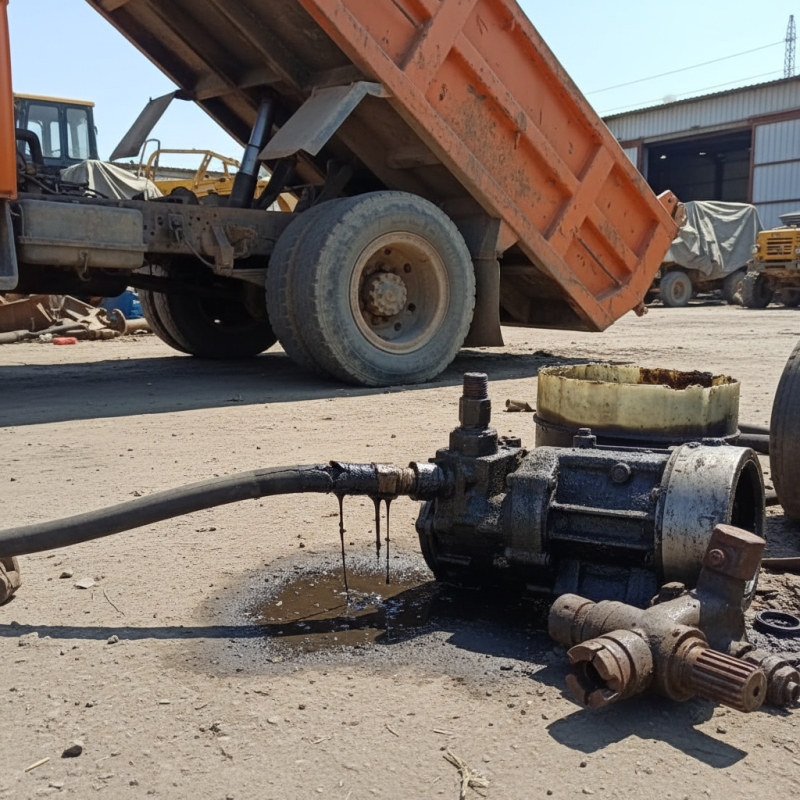
Hydraulic systems in older dump trucks often face significant challenges. One major issue is fluid contamination. Over time, dust and debris can settle in the hydraulic fluid. This contamination leads to reduced efficiency and potential system failure. Additionally, many older trucks have worn seals and hoses. The deterioration of these components can result in leaks. Such leaks compromise the system's pressure, ultimately causing operational failures.
Another common cause of failure is inadequate maintenance. Many older dump trucks have a history of neglect. This neglect often results in overlooked problems, such as low fluid levels or degraded filters. Without regular checks, these issues can escalate quickly. Operators may find themselves facing costly repairs and downtime. Moreover, the age of the components can lead to material fatigue. Hydraulic pumps and cylinders lose their strength over time. This weakness increases the risk of catastrophic failure during operation.
Operators must address these concerns proactively. Regular maintenance and inspections are crucial. Keeping hydraulic systems clean is essential for long-term performance. Simple checks can prevent major problems down the road. Understanding the signs of wear and addressing them promptly can save money and time.
Older dump trucks face unique challenges, particularly in their hydraulic systems. Age and wear significantly impact these components. Over time, seals may degrade, leading to leaks. These leaks can reduce the system's efficiency and increase pressures on other parts. When hydraulic fluid levels drop, overheating can occur, compromising the entire system.
Maintaining older trucks is crucial. Regular inspections can reveal early signs of wear. Check the hoses for cracking and swelling. Pay close attention to hydraulic fluid color; dark fluid may indicate contamination. It’s essential to replace old components before they fail completely.
Tip: Establish a routine maintenance schedule. This can extend the life of hydraulic systems. Providing adequate lubrication can minimize wear as well. Be proactive in addressing small issues before they escalate. Small leaks often lead to significant failures if ignored.
Neglected maintenance is a significant factor in the failure of hydraulic systems in older dump trucks. A report by the American Trucking Associations indicates that inadequate servicing can lead to hydraulic fluid degradation. This can cause pump failure and loss of pressure. Many operators overlook routine checks. They often fail to replace filters or inspect hoses, leading to severe performance issues.
In older models, the wear and tear on hydraulic components are more pronounced. Age compounds the effects of neglect. A study by the Society of Automotive Engineers revealed that 70% of hydraulic system failures are linked to maintenance oversights. Operators might think that hydraulic systems are robust, but even minor leaks can escalate. Regular inspections can help to identify these issues early.
Investing in maintenance training can also improve outcomes. Many drivers lack knowledge about the signs of hydraulic system fatigue. Educating operators on basic diagnostics can enhance hydraulic performance. This awareness leads to proactive measures. Addressing problems early reduces costly repairs and downtime. The reality is that neglecting maintenance can have dire consequences in the long run.
Hydraulic systems in older dump trucks often face issues due to environmental factors. Weather plays a significant role in degradation. Extreme temperatures, both hot and cold, can affect fluid viscosity. Cold weather can cause hydraulic fluid to thicken, making it harder for pumps to operate. In contrast, high heat can lead to overheating, causing fluid breakdown. This creates challenges for the truck's performance.
Exposure to moisture is another critical factor. Damp conditions can introduce water into the hydraulic fluid. This leads to rust and corrosion of metal components. Regular inspections are essential to minimize these risks. However, many operators overlook this routine maintenance. Neglect can result in severe damage, ultimately leading to failure.
Dust and debris present additional challenges. Older trucks, especially, are more likely to have compromised seals. Dust can infiltrate hydraulic systems, causing wear and tear. This can lead to leaks and decreased performance. Operators need to understand the importance of protecting their trucks from these environmental factors. Proper storage and regular checks can extend the life of hydraulic systems. Yet, many drivers underestimate this need and face costly repairs.
Older dump trucks face unique challenges with their hydraulic systems, leading to potential failures. Over time, hydraulic fluid can degrade, compromising system efficiency. According to industry data, nearly 30% of hydraulic system issues stem from fluid contamination. This is often due to worn seals and aged hoses, which may not function as effectively as they once did.
Signs of hydraulic system failure in older dump trucks include slow or unresponsive cylinders. Operators might notice a decrease in lifting capacity or erratic movements when the hydraulic system is activated. Additionally, leaks around hydraulic lines and fittings can indicate that system integrity is compromised. A study highlighted that regular maintenance can reduce these failures by up to 50%.
Tips: Regularly check hydraulic fluid levels and inspect for leaks. Consider replacing old hoses and seals to prevent future issues. Additionally, implementing a routine inspection schedule can help catch potential problems early. Remember, an ounce of prevention is worth a pound of cure.
| Failure Sign | Description | Common Causes | Impact on Operations |
|---|---|---|---|
| Leaking Hydraulic Fluid | Visible fluid around hydraulic components. | Worn seals, damaged hoses. | Loss of lifting power; potential hazards. |
| Slow or Unresponsive Movement | Slow actuation or failure of hydraulic controls. | Air in system, fluid contamination. | Delays in operation; reduced efficiency. |
| Overheating | Excessive heat buildup in hydraulic fluid. | Poor fluid condition, overworking system. | Component damage; risk of fire. |
| Erratic Movement | Jerky or unpredictable operation of hydraulic components. | Contaminated fluid, valve malfunction. | Safety hazards; potential equipment damage. |
| Unusual Noises | Gurgling, whining, or grinding sounds. | Low fluid levels, pump issues. | Indicates mechanical failure; can lead to breakdown. |
: Fluid contamination from dust and debris can lead to reduced efficiency and system failure.
Worn seals and hoses deteriorate over time, resulting in leaks that compromise system pressure.
Neglecting maintenance can lead to overlooked issues like low fluid levels, resulting in costly repairs.
Extreme temperatures can affect fluid viscosity, making pumps harder to operate and risking performance.
Moisture can introduce water into the fluid, causing rust and corrosion of metal components.
Decreased efficiency, leaks, and unusual noises can indicate wear and potential failure in hydraulic systems.
Inspections help identify problems early and can prevent severe damage and operational failures.
They can infiltrate systems, causing wear and leading to decreased performance and leaks.
Keeping hydraulic systems clean with regular checks can help maintain long-term performance.
Proactive maintenance prevents escalation of issues, saving time and money on repairs.
The article "Why Do Hydraulic Systems Fail on Older Dump Trucks?" explores various factors contributing to the failure of hydraulic systems in aging vehicles. One of the primary reasons is the common wear and tear experienced by hydraulic components, which diminishes their effectiveness over time. Additionally, maintenance negligence can significantly impact hydraulic performance, leading to unforeseen breakdowns. Environmental factors also play a crucial role in the degradation of hydraulic systems, as exposure to harsh conditions can accelerate wear.
The piece emphasizes the importance of recognizing signs of hydraulic system failure specific to older dump trucks, helping operators to identify potential issues before they escalate. By understanding why hydraulic systems are failing on older dump trucks, truck owners can implement better maintenance strategies and be proactive in addressing wear-related challenges, ultimately extending the lifespan and efficiency of these critical systems.

Flex Truck