10 Essential Tips to Troubleshoot Hydraulic Leaks in Tow Trucks?

Time:2026-06-10 Author:Isabella
0%

Hydraulic leaks in tow trucks can lead to serious operational issues. According to Mike Johnson, a hydraulic systems expert with over 20 years of experience, “Identifying the source of a leak is crucial for effective repairs.” Knowing how to troubleshoot hydraulic leaks in a tow truck is essential for maintaining vehicle efficiency and safety.

Hydraulic systems are complex. Leaks can occur in hoses, fittings, or cylinders. Each component requires careful examination. A minor leak may seem insignificant, but it can escalate quickly. Operators should adopt a proactive approach to leak detection. Regular inspections can save time and money.

Understanding how to troubleshoot hydraulic leaks in a tow truck is more than just mechanics. It's about being attentive to details. A simple observation might lead to a major discovery. Don't overlook any signs, even a drop of fluid can signal trouble. This journey of troubleshooting can sometimes feel overwhelming. However, the insights gained can lead to significant improvements in vehicle reliability.
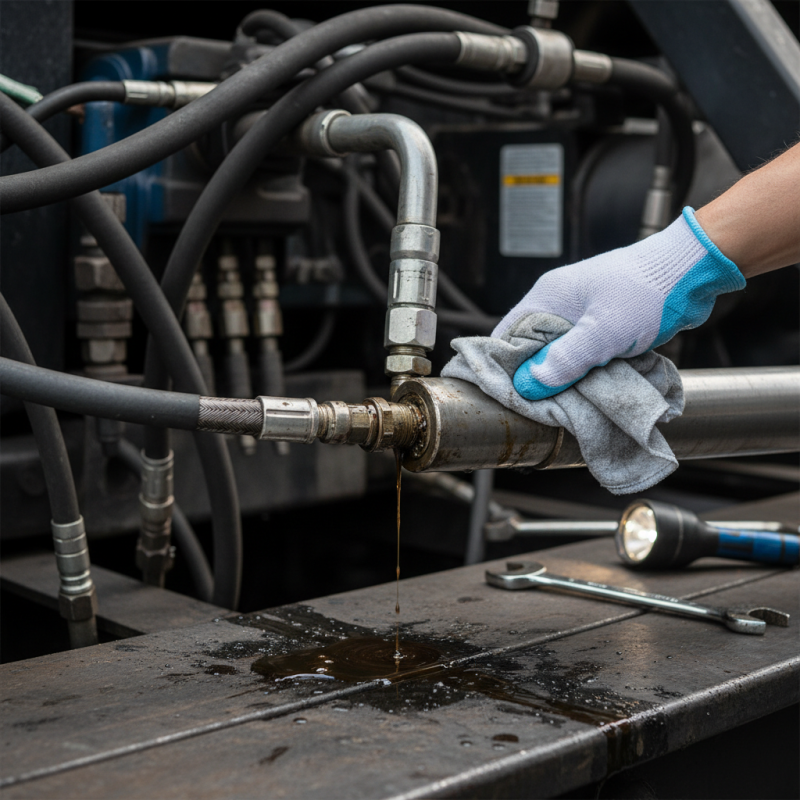
10 Essential Tips to Troubleshoot Hydraulic Leaks in Tow Trucks?

Identifying Common Sources of Hydraulic Leaks in Tow Trucks

Hydraulic leaks in tow trucks often stem from quite common sources. An industry report indicates that 30% of hydraulic failures are attributed to worn-out seals. Over time, seals endure pressure and friction, leading to wear and potential leaks. Even a small crack can result in significant fluid loss. Regular inspections can identify these entry points before they escalate into larger issues.

Another prevalent source is hose damage. Hydraulic hoses are subject to abrasions and crushes during operation. According to a study by the Hydraulic Institute, roughly 25% of hydraulic component failures are due to hose problems. Inspect hoses routinely for signs of wear, such as bulges or fraying. It's surprising how easily these minor issues can become major leaks, impacting the truck's efficiency.

Connections and fittings are also critical areas to monitor. Loose fittings can lead to leaks. Some technicians overlook tightening connections, jeopardizing the system's integrity. Industry data shows that nearly 20% of hydraulic leaks occur at fittings. Regular maintenance schedules should emphasize checking these components to prevent issues. Fostering a proactive approach here is vital for maintaining hydraulic systems.

Understanding Hydraulic Systems and Their Functions

Hydraulic systems play a crucial role in the operation of tow trucks. They are designed to lift, tilt, and secure vehicles with precision. Understanding the workings of these systems is key to effective troubleshooting. Fluid power is a vital component, as it allows for smooth movement and control. According to the Fluid Power Journal, hydraulic systems account for 71% of all power applications in mobile equipment. This statistic highlights their significance in industries like towing.

Hydraulic leaks can cause serious operational issues and financial losses. Data from the National Fluid Power Association suggests that improper maintenance can lead to leaks in up to 40% of hydraulic systems. These leaks increase fluid costs and potentially compromise safety. Tow truck operators often overlook small leaks, thinking they are inconsequential. This mindset can lead to larger, more expensive problems down the road.

Maintaining hydraulic systems requires attention to detail. Regular inspections can prevent leaks before they become significant. Operators should check hoses, fittings, and seals for wear. Each component plays a vital role in system integrity. If a leak occurs, operators must act quickly. A small problem can escalate, resulting in costly downtime. This persistent issue deserves reflection and requires proactive measures.

Step-by-Step Guide to Inspecting Hydraulic Hoses and Connections

Inspecting hydraulic hoses and connections is crucial for identifying leaks in tow trucks. Start by visually checking hoses for any signs of wear. Look for cracks, bulges, or fraying. These issues may indicate a potential failure point. Don't forget to touch the hoses. A hot spot can signal a leak or blockage.

Next, inspect the connections. Use a wrench to tighten any loose fittings. Sometimes, just snugging them up can prevent leaks. Keep an eye out for any fluid accumulation at the connection points. This is often a clear sign that a joint is not sealed properly.

Evaluate the hydraulic fluid regularly. Confirm that the fluid level is within the recommended range. Low fluid levels can cause inefficient operation and potential leaks. Be ready to replace old or worn components. Updates or improvements might be necessary. Remember, an undetected leak can lead to significant damage and costly repairs. Each step in this inspection process counts.

Tips for Regular Maintenance to Prevent Hydraulic Leaks

Hydraulic leaks in tow trucks can lead to significant downtime and costly repairs. Regular maintenance is key to preventing these issues. According to industry reports, up to 80% of hydraulic system failures are due to leaks. Identifying potential problems early is essential for keeping your fleet operational.

Routine inspections are crucial. Check hoses and seals regularly for signs of wear. Many mechanics recommend replacing hoses every five years, regardless of condition. This proactive approach can reduce unexpected breakdowns. Using quality hydraulic fluid is equally important. Poor quality fluids can degrade seals and lead to leaks.

Training staff on the importance of hydraulic system upkeep improves performance. Encourage drivers to report any performance changes immediately. Quick actions can prevent small leaks from becoming major issues. A small investment in regular maintenance can save thousands in repairs. Keeping a detailed maintenance log helps track the condition of your systems, ensuring nothing slips through the cracks.

Hydraulic Leak Causes and Prevention Tips

Best Practices for Repairing and Replacing Faulty Hydraulic Components

Hydraulic systems in tow trucks are crucial for their efficient operation. Regular wear and tear on hydraulic components can lead to leaks. A recent industry report highlighted that nearly 20% of hydraulic failures are attributed to leaks. Understanding how to repair or replace these faulty components can significantly enhance vehicle reliability.

When repairing hydraulic leaks, it is essential to identify the source accurately. Poor seals often cause leaks. Replace them promptly to prevent further damage. Using quality replacement components is vital; inferior parts may lead to recurring issues. Moreover, routine inspections can help catch minor problems early. Studies suggest that proactive maintenance decreases the likelihood of significant repairs by up to 30%.

In some cases, complete component replacement may be necessary. Evaluate the age and condition of the hydraulic parts. A worn-out pump, for instance, may not respond well to repairs. Investing in high-quality hydraulic cylinders and hoses can prevent future failures. However, always assess the cost-effectiveness of repairs versus replacements. This mindful approach can save money and improve overall efficiency in tow truck operations.

FAQS

: What causes hydraulic leaks in tow trucks?

: Common causes include worn-out seals, hose damage, and loose fittings.

How often should seals be inspected?

Regular inspections can help identify wear before leaks develop.

What percentage of hydraulic failures are due to worn seals?

About 30% of hydraulic failures are attributed to worn-out seals.

Why are hoses a common source of hydraulic issues?

Hoses can get damaged easily, leading to significant leaks.

How often should hoses be checked for wear?

Routinely checking hoses for bulges or fraying is essential.

What role do fittings play in hydraulic systems?

Loose fittings can lead to leaks and system failure if overlooked.

How can small leaks impact operations?

Small leaks may seem harmless but can lead to larger, costly problems.

What is the impact of improper maintenance?

Improper maintenance can result in leaks in up to 40% of hydraulic systems.

What should operators do if a leak is detected?

Operators must act quickly to resolve the leak to prevent escalation.

Why is understanding hydraulic systems important?

Understanding these systems aids in effective troubleshooting and maintenance.

Conclusion

This article provides a comprehensive guide on how to troubleshoot hydraulic leaks in a tow truck, highlighting essential tips for effective inspection and maintenance. It begins by identifying common sources of hydraulic leaks, such as worn hoses or loose connections, followed by an overview of hydraulic systems and their vital functions in ensuring the smooth operation of tow trucks.

The article then offers a step-by-step guide to inspecting hydraulic hoses and connections, emphasizing the importance of thorough checks for leaks. Additionally, it outlines key maintenance practices that can help prevent future hydraulic leaks, along with best practices for repairing and replacing faulty hydraulic components. By following these guidelines, tow truck operators can effectively manage and mitigate hydraulic issues, ensuring their vehicles remain in optimal working condition.

Isabella

Isabella

Isabella is a dedicated marketing professional with a sharp focus on driving brand growth and engagement through strategic content creation. With an extensive background in digital marketing, she combines her passion for storytelling with her keen understanding of industry trends to deliver......