How to Ensure Safety Requirements for Fuel Tanker Operations?

Time:2026-05-07 Author:Aria
0%

Ensuring safety in fuel tanker operations is critical for protecting lives and the environment. Experts in the field emphasize this importance. Dr. John Harper, a well-respected figure in the shipping industry, once stated, "Understanding what are the safety requirements for operating a fuel tanker is fundamental to preventing disasters."

Fuel tankers carry hazardous materials. They can pose risks if not managed properly. Safety requirements include regular inspections and maintenance of equipment. Proper training for personnel is essential. Everyone involved must understand safety protocols clearly. This helps reduce the likelihood of accidents.

However, challenges remain. Compliance can be inconsistent across the industry. Some operators may overlook critical guidelines. This lack of diligence can lead to severe consequences. Continuous improvement and rigorous training are necessary. Safety should always be a top priority in fuel tanker operations. Striving for adherence to safety requirements is not just regulatory; it’s a moral obligation.
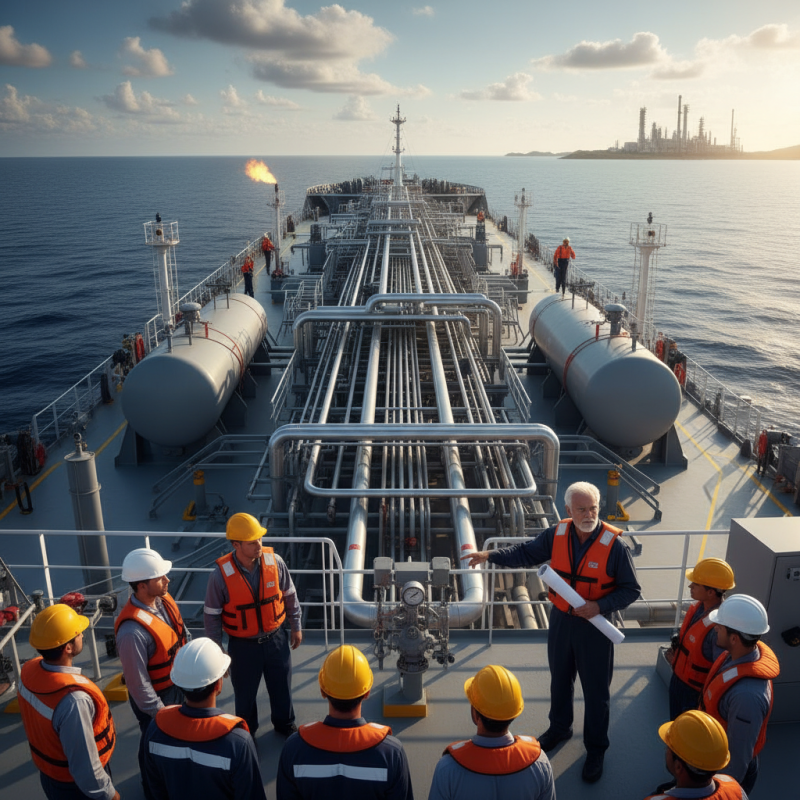
How to Ensure Safety Requirements for Fuel Tanker Operations?

Understanding Regulatory Frameworks for Fuel Tanker Safety

Fuel tanker safety is paramount in transporting hazardous materials. Understanding regulatory frameworks is essential to ensure compliance and protect the public. Organizations must familiarize themselves with local, national, and international regulations. These can include safety standards, training requirements, and operational protocols.

Effective safety management requires continuous monitoring. Regular audits of safety practices can identify weaknesses. These audits should involve all staff levels. Ensuring everyone is aware of the regulations is critical. Clear communication about safety protocols helps prevent accidents.

Tips for enhancing safety include:

  • Conduct frequent training sessions. Regular education reinforces safety practices.
  • Develop an emergency response plan. Preparedness is key in case of accidents.
  • Ensure equipment meets safety standards. Regular maintenance reduces risk.

Adopting a culture that prioritizes safety can lead to improvements. Teams should discuss potential hazards openly. Reflection on past incidents can foster a more robust safety framework. This proactive approach can significantly reduce the risk of accidents in fuel tanker operations.

Key Safety Equipment and Technologies for Fuel Tanker Operations

Fuel tanker operations are critical to the energy supply chain. Ensuring safety requires specific equipment and technologies. One essential tool is the emergency shutdown system. This system allows operators to quickly stop the fuel flow in case of an emergency. A well-maintained shutoff valve can prevent catastrophic spills. Regular checks are crucial to ensure they function properly.

Another vital technology is leak detection. Advanced sensors can detect minor leaks before they escalate. Early detection minimizes environmental impacts and safety risks. However, not every tanker is equipped with these advanced systems. Operators must invest in upgrades to meet safety standards. Training is equally important. Staff should understand how to use safety equipment effectively.

Personal protective equipment (PPE) includes gloves, goggles, and flame-resistant clothing. It protects workers from hazards during operations. However, workers may sometimes neglect the importance of wearing PPE consistently. Continuous training and reminders can improve compliance. Regular safety drills can also keep safety protocols fresh in mind. Fuel tanker operations require rigorous attention to detail to ensure everyone goes home safely.

Comprehensive Training Programs for Fuel Tanker Personnel

Comprehensive training programs for fuel tanker personnel are essential in maintaining safety during operations. According to a recent report from the International Maritime Organization (IMO), a staggering 45% of accidents in the fuel transport sector result from human error. This highlights the need for rigorously trained staff who understand both operational procedures and safety protocols.

Effective training should cover various aspects. Personnel must learn about emergency response, hazardous materials handling, and equipment maintenance. Role-playing scenarios can enhance skills retention and foster a culture of safety. Regular refresher courses are equally vital. They ensure that personnel stay updated on evolving safety standards and practices.

Tips for implementing an effective training program:

  • Use interactive learning methods. Engaging formats help improve knowledge retention.
  • Schedule regular drills. Practical exercises can prepare staff for real-life emergencies.
  • Evaluate training effectiveness. Surveys and assessments can identify areas needing improvement.
Leveraging comprehensive training can significantly reduce risks in fuel tanker operations, creating a safer environment for workers and the communities they serve.

Implementing Risk Assessment Protocols in Fuel Transport

Fuel tanker operations carry inherent risks that must be managed effectively. Implementing risk assessment protocols is crucial for ensuring safety. A thorough assessment identifies potential hazards. It evaluates the impact of these risks on operations. This proactive approach helps in developing targeted mitigation strategies.

Conducting regular safety drills can enhance preparedness. These drills should simulate real-life scenarios, allowing crews to practice emergency responses. Training should focus on communication and collaboration among team members. It’s essential to document the outcomes of these drills. This documentation can reveal weaknesses in current practices, prompting necessary adjustments.

Tips: Always maintain clear communication lines. Ensure that every team member understands their role during emergencies. Regularly review safety protocols to keep them up-to-date. Make room for feedback from crew members. This encourages a culture of continuous improvement and vigilance. Adjustments based on crew insights can refine risk assessment efforts effectively.

Emergency Response Procedures and Contingency Planning for Tankers

Fuel tanker operations pose unique risks that demand comprehensive emergency response procedures and contingency planning. According to the International Maritime Organization, incidents involving fuel tankers can lead to catastrophic environmental and safety concerns. Implementing an effective emergency plan is crucial for mitigating potential damages.

Training personnel regularly on emergency procedures is an essential step. A report by the United States Coast Guard highlights that nearly 70% of marine accidents stem from human error. Regular drills can enhance crew readiness and safety. For tankers, conducting spill response simulations is vital. These drills prepare the crew for quick action during an emergency, reducing recovery time and impact.

**Tip:** Ensure all crew members understand their roles in the emergency plan. Clear communication can make a significant difference during a crisis.

Having comprehensive contingency plans is equally important. This includes identifying potential failure points and predetermined actions to take during an incident. A lack of preparation can lead to confusion and exacerbate the situation. Research shows that well-documented emergency plans can decrease incident severity by 50%.

**Tip:** Review and update emergency response plans periodically. An outdated plan can jeopardize safety in an emergency.

Overall, establishing a culture of safety within fuel tanker operations starts with rigorous training and adaptive contingency planning.

Fuel Tanker Operations Safety Requirements

FAQS

: Why is understanding regulatory frameworks important for fuel tanker safety?

: It ensures compliance with safety standards and protects the public from hazards.

How can organizations improve safety management for fuel tankers?

They should conduct regular audits and involve all staff levels for feedback.

What are effective training strategies for crew members?

Frequent training sessions reinforce safety practices and prepare staff for emergencies.

What is the role of emergency response plans in tanker operations?

They mitigate potential damages and ensure a quick response during crises.

Why is personal protective equipment (PPE) essential?

PPE protects workers from hazards but must be worn consistently for effectiveness.

How can teams enhance safety communication?

Open discussions about potential hazards and clear protocols help prevent accidents.

What tools help in leak detection during operations?

Advanced sensors can identify minor leaks early, minimizing environmental risks.

How often should safety equipment be maintained?

Regular checks are crucial to ensure the equipment functions properly and reduces risks.

What impact do regular drills have on crew readiness?

They improve response times during emergencies and help reduce negative outcomes.

How can outdated emergency plans affect safety?

They may lead to confusion during an incident, increasing the severity of the situation.

Conclusion

Ensuring safety requirements for operating a fuel tanker involves a comprehensive understanding of regulatory frameworks that guide safe practices within the industry. Key safety equipment and technologies, such as advanced monitoring systems and fail-safe mechanisms, play a crucial role in maintaining operational integrity. Moreover, implementing robust training programs for fuel tanker personnel ensures they are well-prepared to handle potential hazards effectively.

A critical aspect of safe operations includes the adoption of risk assessment protocols that identify and mitigate risks during fuel transport. Additionally, establishing emergency response procedures and contingency plans is essential for addressing unforeseen incidents, thereby safeguarding both personnel and the environment. Collectively, these measures outline what are the safety requirements for operating a fuel tanker and contribute to a safer operational environment.

Aria

Aria

Aria is a dedicated marketing professional with a deep passion for innovative strategies and a keen understanding of our company's product offerings. With a wealth of experience in the industry, Aria excels at crafting engaging content that highlights the unique features and benefits of our......