Cleaning the interior of a chemical liquid tanker is crucial for safe operations. This task requires expertise and adherence to industry standards. According to a study by the Chemical Safety Board, improper cleaning can lead to hazardous incidents. Therefore, understanding how to clean the interior of a chemical liquid tanker is essential.
Dr. Emily Thompson, a leading expert in chemical transportation, emphasizes, “The right cleaning method can prevent contamination and ensure safety.” Her insights highlight the need for effective techniques in this specialized field. The unique designs of these tankers often pose challenges. For example, residue can cling to the tank walls, complicating the cleaning process.
Using modern cleaning methods and equipment can enhance efficiency. However, many companies struggle with outdated practices. The industry lacks uniformity in cleaning standards, leading to inconsistent outcomes. Regular training and updated protocols are vital. Companies must reflect on their current cleaning procedures to improve safety and effectiveness. By prioritizing best practices, they can achieve safer operations in chemical transportation.
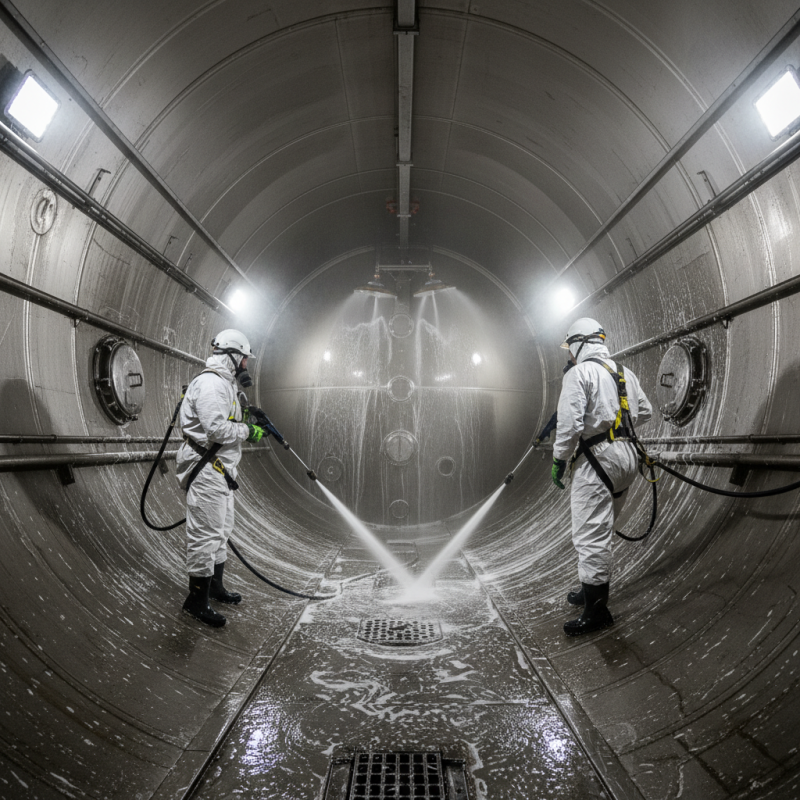
Understanding the Importance of Cleaning Chemical Liquid Tankers
Cleaning chemical liquid tankers is crucial for several reasons. First, residues from previous loads can lead to contamination. This contamination may affect the quality of future shipments. Cleaning helps prevent chemical reactions between different substances. Additionally, it enhances safety by reducing hazards associated with leftover chemicals.
Understanding the specialized processes involved in cleaning is essential. Tankers often carry a variety of substances, from harmful chemicals to benign liquids. Each type requires a tailored cleaning method. When improperly cleaned, even trace residues can cause serious issues. Workers must be trained in specific methods to handle these substances safely. Regular cleaning protocols can improve efficiency and reduce downtime.
However, cleaning these tanks can be challenging. It is time-consuming and labor-intensive. The complexity of some residues may require advanced cleaning solutions. This situation often leads to delays, raising operational costs. As industries evolve, so must the cleaning practices. Finding effective, efficient methods is an ongoing challenge in the field.
Preparing for the Cleaning Process: Safety and Equipment Needs
Cleaning a chemical liquid tanker requires meticulous preparation. Safety is paramount. Workers must wear appropriate personal protective equipment (PPE), including gloves, goggles, and chemical-resistant suits. According to industry standards, up to 20% of chemical handling incidents are related to inadequate safety measures. Ensuring that everyone is well-equipped can reduce risks significantly.
Proper cleaning equipment is essential. High-pressure washing systems and steam cleaners are commonly used. These minimize chemical residues, reducing environmental hazards when the tank is cleaned. A well-documented procedure should guide the cleaning process, ensuring consistency and reliability.
The International Maritime Organization recommends developing a cleaning protocol tailored to specific chemicals, as varied substances require different handling methods.
Reflection on past cleaning processes is crucial. Continuous improvement can enhance safety and efficiency. Many professionals suggest conducting regular training sessions and reviewing incident reports. This proactive approach can uncover gaps in procedures and equipment.
Statistics show that companies investing in training reduce workplace accidents by over 30%. Effective cleaning and safety preparation are not just operational aspects; they are vital components for the longevity of the vessel and the safety of its crew.
Step-by-Step Guide to Emptying the Tank and Initial Rinsing
Cleaning a chemical liquid tanker requires careful planning and execution. Emptying the tank is the first crucial step. Before starting, ensure all safety protocols are in place. Proper protective gear is essential. Confirm the tank is completely empty to prevent contamination of cleaning agents.
Once the tank is empty, initial rinsing can begin. Use water to wash down the interior surfaces. Aim for thorough coverage, especially in corners and hard-to-reach spots. This step helps remove residual chemicals and debris. It might take several rounds of rinsing to achieve a satisfactory level of cleanliness. Keep an eye on flow rates and adjust as needed.
During the rinsing process, reflect on the effectiveness of your technique. Are you reaching all surfaces? Is the rinse water clear or still discolored? These observations are vital for improving future cleaning. Every tanker has different requirements, and approaches may need refinement. Learning from each cleaning session can enhance efficiency and safety for the next time.
How to Clean the Interior of a Chemical Liquid Tanker Efficiently? - Step-by-Step Guide to Emptying the Tank and Initial Rinsing
| Step |
Description |
Required Equipment |
Duration |
| 1 |
Preparation of Area |
Protective gear, safety sign |
30 minutes |
| 2 |
Emptying the Tank |
Pumps, hoses |
1 hour |
| 3 |
Initial Rinsing |
Water source, hoses |
45 minutes |
| 4 |
Applying Cleaning Solution |
Cleaning agents, sprayers |
1 hour |
| 5 |
Final Rinsing |
Water source, hoses |
30 minutes |
| 6 |
Inspection and Final Touches |
Inspection tools |
30 minutes |
Effective Techniques for Deep Cleaning and Decontamination
Deep cleaning and decontamination of chemical liquid tankers are critical tasks. The efficiency of these processes can significantly impact safety and compliance. According to recent industry reports, improper cleaning can lead to hazardous residues remaining in the tank, posing risks during subsequent vessel loading. It is essential to implement effective techniques to ensure comprehensive cleanliness.
One effective method involves the use of specialized cleaning agents that neutralize chemical residues. These agents not only dissolve contaminants but also prevent chemical reactions with residual cargo. A study showed that using high-pressure water jets in combination with these agents reduced cleaning time by up to 40%. Furthermore, it is crucial to conduct thorough inspections post-cleaning. Visual inspections and chemical tests can verify that no residues remain, ensuring safety for future cargo.
Another technique is the use of foam cleaning systems, which create a thick cleaning barrier that clings to tank surfaces. This method allows for better contact time with the contaminants, enhancing the cleaning process. However, a challenge remains in managing the waste generated during cleaning. Proper disposal protocols must be adhered to, as mishandling waste can lead to environmental concerns. It's vital to confront these challenges head-on, ensuring all cleaning practices are both effective and environmentally responsible.
Final Inspection and Post-Cleaning Maintenance Procedures
After the cleaning of a chemical liquid tanker, a thorough final inspection is crucial. Inspectors should check for residue and ensure that all surfaces are clean. The absence of any chemical odor is a good indicator. Visual inspections are effective, but using illumination can help spot overlooked areas. Keep a checklist to ensure thoroughness. Even tiny traces can lead to significant problems later.
Post-cleaning maintenance is equally important. After inspection, proper drying procedures are necessary. Damp surfaces can harbor bacteria or promote corrosion. Operators should monitor humidity and air circulation within the tank. It’s essential to document the cleaning and inspection process. This documentation serves as a guide for future maintenance and can highlight any recurring issues.
Reflection on the cleaning process can yield valuable insights. If certain areas were difficult to clean, it may indicate design flaws or inadequate equipment. Addressing these points can improve efficiency in the long run. Regular training for staff on inspection and maintenance procedures ensures everyone is on the same page. This commitment to quality control fosters a culture of safety and reliability.
Cleaning Efficiency of Chemical Liquid Tankers
Conclusion
Cleaning the interior of a chemical liquid tanker is a critical process that ensures safety, compliance, and operational efficiency. Understanding the importance of cleaning is the first step, as it helps prevent cross-contamination and maintains the integrity of future cargoes. To effectively clean a tanker, one must prepare by assessing safety requirements and gathering necessary equipment.
The process begins with a step-by-step guide to emptying the tank and performing an initial rinse. This is followed by employing effective techniques for deep cleaning and decontamination, which are essential for removing residue and ensuring the tank is safe for the next load. Finally, a thorough inspection post-cleaning is vital to confirm that all cleaning standards are met, alongside implementing maintenance procedures to keep the equipment and tank in optimal condition. By following these steps, operators can effectively learn how to clean the interior of a chemical liquid tanker and ensure safe operation.

 Flex Truck