Understanding the difference between a tractor truck and a rigid truck is essential for those in the transportation industry. These two types of vehicles serve distinct purposes and have unique characteristics. A tractor truck, often linked with long-haul freight, features a separate cab and trailer design. This separation allows for flexibility in cargo transport, as the trailer can be swapped out depending on the load.
On the other hand, a rigid truck has an integrated structure where the cab and cargo area are one unit. This design typically suits urban deliveries and transports goods over shorter distances. What is the difference between a tractor truck and a rigid truck? It lies in their configuration, functionality, and intended use.
Both trucks have specific advantages and drawbacks. Tractor trucks excel in versatility and can handle larger loads. However, they may require more experience to operate. Rigid trucks, while easier to maneuver in tight spaces, can limit cargo volume. Freight companies must evaluate their needs to make informed choices about their fleet. The goal is to select the right vehicle for the job, balancing capacity and efficiency.
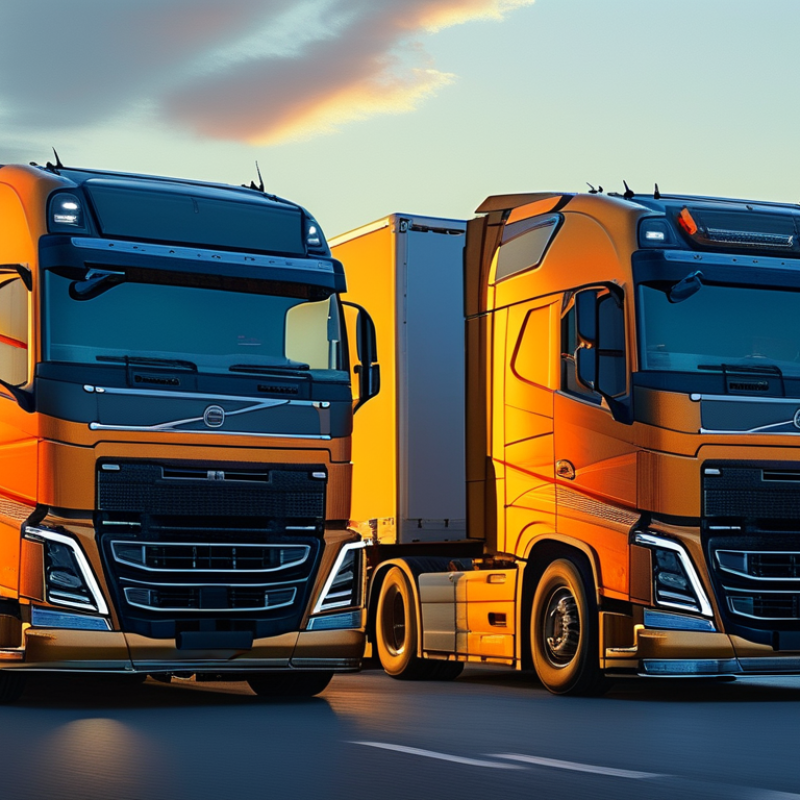
Understanding Tractor Trucks: Definition and Key Features
Tractor trucks, often known as semi-trucks, are designed for hauling heavy loads. They consist of two main parts: the tractor unit and the trailer. The tractor unit houses the engine and driving controls, while the trailer is where the cargo is stored. This design enables flexibility in transporting a variety of goods. Tractor trucks are built for long-distance travel, making them essential in logistics and freight industries.
Key features of tractor trucks include powerful engines and enhanced stability. They typically have a longer wheelbase, which aids in balancing heavy loads. The cabin is designed for long hours on the road, emphasizing driver comfort. However, one might notice that these trucks require a higher skill level to operate compared to other vehicles. New drivers often struggle with maneuvering and parking, reflecting the necessity for proper training.
Understanding the distinctions between tractor trucks and rigid trucks is crucial. Rigid trucks have a fixed body, without a detachable trailer. This limits their cargo versatility but can make them easier to handle in urban settings. While both types serve important roles, the choice will depend on specific transport needs. Each option has its pros and cons, leaving room for ongoing debate among industry professionals.
Comparison of Tractor Trucks and Rigid Trucks
The Characteristics of Rigid Trucks: A Comprehensive Overview
Rigid trucks, often referred to as box trucks, have distinct characteristics making them suitable for specific transportation needs. These vehicles feature a single continuous chassis, meaning the cab and the cargo area are combined. This design allows for a greater weight capacity. According to the American Transportation Research Institute, rigid trucks can carry payloads between 10,000 to 45,000 pounds, depending on the model. Their robust structure aids in the efficient transport of goods, especially in urban areas where maneuverability is key.
The cargo area of a rigid truck is enclosed, providing protection from weather and theft. This makes them ideal for transporting perishable or sensitive items. A study by the Freight Transportation Research Group indicates that over 65% of logistics companies prefer rigid trucks for local deliveries due to their reliability and ease of loading. However, companies must consider factors such as fuel efficiency and maintenance costs. While rigid trucks may offer benefits, their operational costs can be higher than expected, leading to potential budget constraints.
Rigid trucks are not without their challenges. Their limited size can hinder transport flexibility, especially for larger loads. Additionally, their turning radius can be less cooperative on narrow streets. Awareness of these factors is vital for logistics companies to make informed choices about their fleet composition. Such considerations contribute to better route planning and overall operational efficiency.
How to Distinguish Between a Tractor Truck and Rigid Truck?
| Characteristic |
Tractor Truck |
Rigid Truck |
| Structure |
Consists of a cab and a separate trailer |
Single unit with a fixed body |
| Versatility |
High; can transport various trailers |
Limited to the body type designed |
| Load Capacity |
Higher due to the ability to attach larger trailers |
Moderate; depends on body size |
| Maneuverability |
Less maneuverable, especially with a large trailer |
More maneuverable in tight spaces |
| Common Uses |
Long-distance transport, freight hauling |
Local deliveries, construction materials |
| Stability |
Less stable when loaded, needs careful handling |
Generally more stable during operation |
Key Differences: Tractor Truck vs. Rigid Truck Specifications
When comparing tractor trucks and rigid trucks, key specifications highlight their distinct roles in the transportation industry. A tractor truck, often referred to as a big rig, typically features a powerful engine and a separate trailer. According to industry reports, they often have a gross vehicle weight rating (GVWR) exceeding 80,000 pounds. This capacity allows them to haul substantial cargo over long distances, making them ideal for freight transport.
In contrast, rigid trucks have a fixed body and are not designed to detach from their cargo. They usually range from 15,000 to 30,000 pounds in GVWR. Their versatility shines in urban settings, where maneuverability is crucial. Rigid trucks are commonly used for local deliveries, allowing for efficient transport of goods across short distances. Despite their smaller size, they can still handle significant payloads, making them essential for various industries.
Understanding the payload differences is important for operators. While a tractor truck can transport larger loads, its operating costs can be higher due to fuel consumption and maintenance. The choice between the two often hinges on specific logistical needs. A thorough analysis of the required payload and transportation routes must be conducted. It seems there's often a gap in recognizing these distinctions, leading some operators to use the wrong vehicle for their tasks.
Weight and Loading Capacity: Comparing Tractor and Rigid Trucks
When comparing tractor trucks and rigid trucks, weight and loading capacity are crucial factors. A tractor truck, often used for long hauls, can tow heavier loads. Their design allows for more flexibility, accommodating various trailers. These trucks usually have a higher Gross Vehicle Weight Rating (GVWR), often exceeding 80,000 pounds.
Rigid trucks, however, have a fixed body and do not tow trailers. Their structure is solid, designed for specific loads like furniture or construction materials. They usually have a lower GVWR, typically around 26,000 to 33,000 pounds. This limitation in capacity can be a drawback during transport.
Understanding these differences is vital for logistics professionals. Choosing the right truck affects efficiency and costs. A rigid truck might be easier to maneuver in urban settings but may not suffice for heavy freight. On the other hand, while tractor trucks offer greater capacity, they require more skill to operate. Reflecting on the practical applications of each type can lead to better decisions in transport management.
Common Applications of Tractor and Rigid Trucks in the Industry
In various industries, both tractor trucks and rigid trucks serve vital roles, but their applications differ significantly.
Tractor trucks are often used for long-haul freight transport. They can pull detachable trailers and handle large loads effectively over long distances. In logistics, they excel when flexibility and load capacity are essential. Conversely, rigid trucks have a fixed body and the cargo is an integral part of the vehicle. They are ideal for city logistics, where maneuverability and efficient loading and unloading are crucial.
Tips: Consider the cargo requirements when choosing between the two. A tractor truck offers greater capacity for bulk transportation. A rigid truck can simplify operations in tight urban environments. Assess your specific transportation needs before making a decision.
In construction, rigid trucks are commonly used to transport materials like gravel and concrete. Their stability and ease of loading make them favorable for short, local deliveries.
Tractor trucks often take on more substantial, continuous loads, such as moving finished goods from factories to distribution centers. They are the backbone of interstate commerce.
Tips: Evaluate delivery routes and load types in your industry. If you require frequent stops, a rigid truck may be a better fit. For longer distances with sizable cargo, a tractor truck is preferable. Make thoughtful choices to enhance operational efficiency.
FAQS
: Tractor trucks are designed for hauling heavy loads over long distances.
A tractor truck consists of the tractor unit and the trailer.
The detachable trailer allows for flexibility in transporting various goods.
They typically have a longer wheelbase for enhanced stability.
Operating tractor trucks requires a higher skill level, especially for maneuvering.
Rigid trucks have a fixed body and cannot detach from their cargo.
They often exceed a Gross Vehicle Weight Rating of 80,000 pounds.
Yes, rigid trucks are more maneuverable and ideal for local deliveries.
Tractor trucks typically have higher operating costs due to fuel and maintenance.
Operators must analyze payload, transportation routes, and logistical needs.
Conclusion
This article explores the crucial question of what is the difference between a tractor truck and a rigid truck. It begins by defining tractor trucks, highlighting their unique characteristics such as the ability to tow trailers and their flexible configurations. In contrast, the article provides a comprehensive overview of rigid trucks, which are designed with a fixed body, featuring a single structure without detachable trailers.
The discussion then moves to key specifications that differentiate the two, including weight and loading capacities, revealing that tractor trucks typically have higher towing capabilities compared to rigid trucks. Additionally, the article examines the common applications of both types of trucks within various industries, emphasizing how their distinct features cater to different transportation needs. Overall, understanding these differences is essential for making informed decisions regarding their use in logistics and transportation.

 Flex Truck