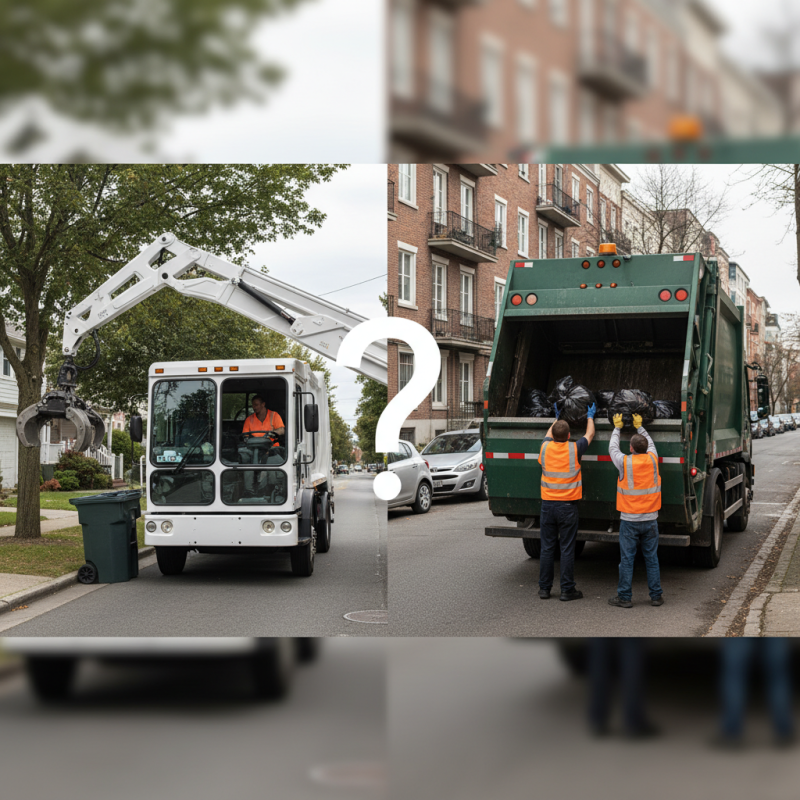
In the waste management industry, choosing the right garbage truck is crucial. Side loaders and rear loaders each offer unique advantages. Understanding how to choose between a side loader and a rear loader garbage truck can significantly impact efficiency and operational costs.
Industry reports indicate that rear loader trucks account for nearly 70% of the garbage truck market. They are known for their ease of use and compact design. Side loaders, which comprise about 30% of the market, provide enhanced accessibility and can reduce labor costs by allowing operators to remain in the vehicle. Both options come with their own set of challenges. For instance, side loaders may struggle in narrow streets, while rear loaders can be less maneuverable in tight spaces.
Evaluating your specific needs is key. Consider factors like route layout, type of waste, and volume. Each truck has its strengths and weaknesses, and making a rushed decision could lead to costly mistakes. Take time to analyze the operational context before concluding. After all, the right choice can lead to improved efficiency and reduced operational costs over time.
Benefits of Side Loader Garbage Trucks for Efficient Waste Collection
Side loader garbage trucks offer several benefits for efficient waste collection. One key advantage is their ability to collect waste while minimizing street congestion. Research indicates that side loaders can operate in narrower spaces, allowing for increased access in urban areas. This is particularly valuable in cities with tight streets. They can collect more waste per trip, which saves time and fuel, ultimately leading to lower operational costs. Statistics show that optimized routes can reduce fuel consumption by up to 20%.
Another benefit is worker safety. Side loaders have ergonomic features that help reduce the physical strain on operators. This is crucial, as workers in the waste management industry face high injury rates. According to industry reports, improving ergonomics can lower injury claims by 30%. Additionally, side loaders allow operators to stay in the truck while collecting waste. This reduces their exposure to traffic hazards and harsh weather conditions.
Side loaders also contribute to cleaner streets. With their advanced compaction systems, these trucks can compact waste more effectively. This means less litter on the ground and reduced odor complaints. However, the initial cost of investment can be a barrier for some municipalities. They must evaluate long-term benefits against upfront expenses. Finding a balance is essential for sustainable waste management practices.
Advantages of Rear Loader Garbage Trucks in Urban Environments
Rear loader garbage trucks have become increasingly popular in urban environments. They offer several advantages that make them particularly effective for city waste management. One key benefit is their ability to navigate tight spaces. In crowded streets, rear loaders can access alleyways and narrow lanes with ease. The compact design allows for efficient collection in areas where larger vehicles struggle.
Another significant aspect is the safety feature of rear loaders. The design minimizes the risk for operators. Workers load waste from the back, away from traffic. This reduces potential accidents, ensuring a safer work environment. Additionally, these trucks often have a higher capacity for waste. This means fewer trips to disposal sites, leading to lower operational costs.
However, there are also challenges to consider. The loading process can be slower than side loaders, especially during peak hours. This may result in longer collection times in busy neighborhoods. Furthermore, maintenance can be more complex due to the mechanics involved. Operators must be skilled in handling both the truck and the loading equipment. These factors require reflection on the best choice for specific urban needs.
Comparison of Side Loader and Rear Loader Systems for Waste Management
When it comes to waste management, both side loader and rear loader garbage trucks play crucial roles. Side loaders are known for their efficiency. They allow for automated waste collection, which reduces labor costs. Workers can operate the truck from a safe distance, minimizing risks. Side loaders are ideal for densely populated areas. They can navigate narrow streets with ease.
On the other hand, rear loaders have their strengths. They offer a higher capacity for waste due to their larger design. This is helpful for managing bigger waste loads. However, they require workers to be closer to the vehicle, increasing potential safety hazards. The collection process can also take longer compared to side loaders.
The choice between these two systems may not be straightforward. Factors such as job site layout and waste volume are important. A side loader may work well for urban settings, but a rear loader might suit rural areas better. Balancing efficiency and safety is critical in making the right decision. Each system has its landscape of advantages and challenges. Understanding these nuances is essential for effective waste management.
Key Considerations When Choosing Between Side Loader and Rear Loader Trucks
When choosing between side loader and rear loader garbage trucks, several factors come into play. A side loader offers efficiency in urban areas, allowing for quick collection without blocking traffic. These trucks can pick up bins from one side, making them perfect for narrow streets. However, they may struggle in areas with heavy pedestrian traffic.
Rear loaders are familiar sights in many neighborhoods. Loading from the back allows for a larger capacity. This option is often better for suburban or rural routes where space isn’t as constrained. However, they require more maneuverability and may slow down collection in densely populated areas.
Tips: Consider the truck’s compatibility with existing waste management systems. Are the local bins designed for side or rear loaders? Ensure the choice aligns with community needs. Also, think about maintenance needs. Side loaders might require different upkeep compared to rear loaders.
Think about efficiency. Side loaders might seem advantageous, but their speed can lead to early wear if not managed. In contrast, rear loaders can provide longevity but will be slower on busy routes. Balancing efficiency and maintenance is key to making a smart choice.
Why Should You Choose a Side Loader or Rear Loader Garbage Truck? - Key Considerations When Choosing Between Side Loader and Rear Loader Trucks
| Feature |
Side Loader |
Rear Loader |
| Loading Mechanism |
Side Lift Arm |
Rear Compaction |
| Operational Efficiency |
High for Residential Areas |
Ideal for Heavy Loads |
| Driver Comfort |
Excellent Visibility |
Requires Continuous Monitoring |
| Cost |
Generally Lower |
Higher Initial Investment |
| Maintenance |
Moderate |
Higher Due to Mechanics |
| Suitability |
Narrow Streets and Residential Routes |
Commercial Areas with Larger Bins |
Cost-Effectiveness and Maintenance of Side vs. Rear Loader Garbage Trucks
Choosing between side loader and rear loader garbage trucks involves considering cost-effectiveness and maintenance. Side loaders typically have lower labor costs. They can collect waste without requiring multiple workers. According to a recent industry report, municipalities using side loaders save about 20% on personnel expenses. This efficiency often leads to quicker collection times, which can improve overall service levels.
Maintenance is another critical factor. Side loaders often come with advanced features, but they can require more specialized maintenance. Rear loaders, in contrast, tend to have simpler mechanisms. Industry data indicates that rear loaders have a lower average annual maintenance cost, roughly 15-25% less, depending on usage. However, their efficiency in tight spaces might suffer compared to side loaders, creating potential operational gaps in some urban settings.
As towns grow and waste management needs evolve, these decisions may not be straightforward. Budget constraints might push for less expensive options, yet operational efficiency can't be ignored. Balancing costs and reliability is crucial. Each choice has strengths and weaknesses that require careful consideration. The right decision often hinges on specific municipal needs and financial realities.
Cost-Effectiveness and Maintenance of Side Loader vs. Rear Loader Garbage Trucks
This chart displays the average cost and maintenance cost per year for side loader and rear loader garbage trucks. Side loaders are shown to have a slightly higher initial purchase price but lower annual maintenance costs compared to rear loaders, which may influence decision-making depending on budgetary constraints.
Conclusion
When considering how to choose between a side loader and a rear loader garbage truck, it’s essential to evaluate their respective benefits in waste collection. Side loader garbage trucks are designed for efficient collection, particularly in residential areas where access may be limited. Their compact design allows them to navigate tight spaces effectively, reducing the need for multiple stops. In contrast, rear loader garbage trucks excel in urban environments where larger waste volumes are collected, providing versatility and speed, especially when dealing with commercial and industrial waste.
Additionally, a comparison of these two systems reveals key considerations such as maneuverability, waste type, and collection frequency. Cost-effectiveness and maintenance should also factor into the decision, as side loaders may offer savings in labor and operational costs, while rear loaders may require more investment but provide greater capacity. Ultimately, assessing the specific needs of the waste management operation will guide the choice between a side loader and a rear loader garbage truck.

 Flex Truck