How to Choose Between 6x4 and 8x4 Truck Configurations?

Time:2026-07-10 Author:Aria
0%

Choosing the right truck configuration can be challenging. Many operators wonder, "what is the difference between 6x4 and 8x4 truck configurations?" The choice between these two configurations depends on various factors, including load capacity and intended use.

A 6x4 truck typically features six wheels and can handle moderate loads with good maneuverability. This makes it suitable for urban driving and tasks requiring frequent stops. In contrast, an 8x4 configuration offers extra wheels for increased weight capacity. This is ideal for heavier loads and off-road conditions, where additional stability is necessary.

When selecting a configuration, consider your operational needs. Each configuration has its advantages and downsides. A 6x4 provides better fuel efficiency, while an 8x4 might lead to higher operational costs. Reflecting on these details will aid in making an informed decision, ultimately enhancing performance and efficiency in your transportation tasks.
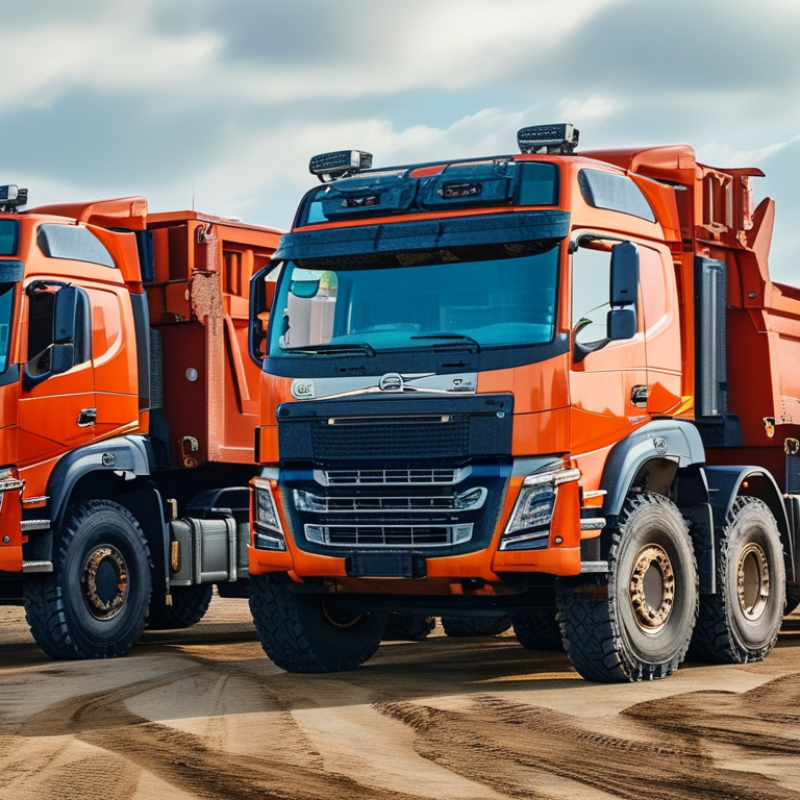
How to Choose Between 6x4 and 8x4 Truck Configurations?

Understanding the Basics of 6x4 and 8x4 Truck Configurations

When choosing between 6x4 and 8x4 truck configurations, understanding their fundamentals is crucial. A 6x4 configuration has six wheels powered by four axles, offering a balance of payload capacity and maneuverability. This setup is widely used for long-distance transport due to its fuel efficiency. In contrast, the 8x4 configuration features eight wheels and four axles, typically providing higher load capacity and better stability under heavy loads.

When you consider which configuration suits your needs, think about the terrain. For rough or uneven surfaces, an 8x4 truck can handle the challenges better. It provides more grip and stability. On the other hand, a 6x4 might excel in urban areas where agility is more critical than sheer load capacity.

**Tips:** Assess the average load you'll carry. If it consistently meets or exceeds the 6x4's limits, an 8x4 may be necessary. Check the turning radius as well; a tighter turn can make a difference in crowded environments. Also, consider your budget. 8x4 trucks tend to be more expensive and may require higher maintenance costs. Reflect on how each choice aligns with your specific operational needs.

How to Choose Between 6x4 and 8x4 Truck Configurations?

Feature 6x4 Configuration 8x4 Configuration
Axle Count 6 8
Payload Capacity Up to 20 tons Up to 30 tons
Fuel Efficiency Higher Lower
Turning Radius Tighter Larger
Best Use Cases Regional hauling Construction, heavy loads

Advantages of 6x4 Trucks for Specific Applications

When it comes to trucking configurations, the choice between 6x4 and 8x4 models often hinges on specific operational needs. 6x4 trucks are known for their excellent versatility in various applications, particularly in urban deliveries and regional transport. Their lighter weight compared to 8x4 trucks means they can carry significant payloads without compromising fuel efficiency. According to industry reports, 6x4 configurations typically achieve a fuel efficiency improvement of up to 15% in city driving conditions. This is crucial for businesses looking to optimize costs.

Moreover, 6x4 trucks excel in maneuverability. This makes them ideal for environments with heavy traffic or tight spaces. Many operators appreciate this flexibility; it allows for better handling in city scenarios. The ability to navigate easily can reduce time spent on deliveries. However, relying solely on a 6x4 configuration may not be suitable for all heavy-duty tasks. They can struggle under extreme loads, which may lead to wear and tear. A thorough understanding of your operational landscape is essential.

One key consideration is payload capacity. While 6x4 trucks can handle numerous loads effectively, operators should be mindful of their limitations. Data shows that the maximum payload for a 6x4 is generally around 18 to 20 tons, depending on axle configuration. In some cases, businesses that regularly exceed this limit may find themselves at a disadvantage. Evaluating the balance between efficiency and capability is vital for long-term success in any transport operation.

Benefits of Choosing 8x4 Trucks for Heavy-Duty Jobs

When dealing with heavy-duty jobs, choosing the right truck configuration is essential. The 8x4 trucks stand out when it comes to carrying massive loads. With four axles, these trucks offer better weight distribution. This design not only enhances stability but also improves safety. In challenging terrains, the added traction is invaluable.

The benefits of an 8x4 truck extend beyond just load capacity. They often feature higher torque, making them better suited for steep inclines. This can be particularly beneficial in construction sites or mining operations. Additionally, the 8x4 configuration can handle rough roads with ease, reducing wear and tear. It’s crucial to consider vehicle longevity when making a choice.

Not all heavy duties require an 8x4. There are instances where a 6x4 might suffice. However, if you frequently tackle challenging loads, the 8x4 shines. Understanding your specific needs is critical. A mismatched choice can lead to inefficiencies. Reflect on the types of jobs you frequently undertake, and weigh the benefits of each configuration.

Key Factors to Consider When Selecting Between Configurations

When faced with the choice between 6x4 and 8x4 truck configurations, several key factors must be considered. The primary aspect is payload capacity. Reports suggest that an 8x4 configuration can support heavier loads, often exceeding 30 tons. In contrast, a 6x4 model typically accommodates around 20 tons. This difference affects operational efficiency, especially in construction and logistics.

Another critical consideration is maneuverability. With a shorter wheelbase, 6x4 trucks navigate tight spaces better. This feature can be essential for urban deliveries or construction sites. However, the 8x4 configuration provides superior stability, particularly on rough terrain. If your operations involve both urban and rural environments, the choice can be particularly challenging.

Fuel efficiency also varies between configurations. According to industry data, 6x4 models may offer 10-15% better fuel economy under certain conditions. On the other hand, the 8x4, while less efficient, can reduce the number of trips needed for larger loads. Assessing these details is crucial before making a decision. Ultimately, each configuration has its strengths and weaknesses that must align with your specific operational needs.

Cost Analysis: 6x4 vs. 8x4 Trucks for Your Business Needs

When considering the cost analysis of 6x4 and 8x4 truck configurations, it’s crucial to evaluate your specific business needs. A 6x4 truck typically offers lower initial costs. They are lighter and consume less fuel. This can lead to significant savings over time. However, they may not have the same load-bearing capacity as an 8x4 truck. If your business frequently requires heavy transport, the higher upfront cost of an 8x4 may justify its benefits.

Maintenance costs should also factor into your decision. 8x4 trucks may incur higher maintenance due to their complex systems. Parts may be more expensive as well. On the other hand, 6x4 trucks tend to have simpler mechanisms, which can lead to lower repair bills. However, the longevity and durability of the 8x4 might offset these costs, making it a worthwhile investment.

Evaluating the total cost of ownership is key. Analyze your expected mileage, load, and frequency of use. A cheaper truck might not always be the best long-term choice. Reflecting on your operational needs can guide your selection process. Comparing the cost per mile for each configuration might reveal surprising insights. Making an informed choice requires a balance between upfront costs and long-term value.

Cost Analysis: 6x4 vs. 8x4 Trucks

This chart compares the operational costs of 6x4 and 8x4 truck configurations based on different parameters such as purchase price, fuel efficiency, and maintenance costs.

FAQS

: What is a 6x4 truck configuration?

: A 6x4 truck has six wheels powered by four axles. It balances payload and maneuverability.

Why choose an 8x4 truck?

An 8x4 truck offers higher load capacity and stability. It handles rough terrains better than a 6x4.

In what environments do 6x4 trucks perform best?

6x4 trucks excel in urban areas. Their lightweight design enhances agility and fuel efficiency.

What is the fuel efficiency advantage of 6x4 trucks?

6x4 trucks can improve fuel efficiency by up to 15%. This is significant for city driving.

What should I consider when choosing between configurations?

Assess load weights and terrain. Tight turning radii may favor 6x4 in crowded areas.

Are there drawbacks to using 6x4 trucks?

Yes, 6x4 trucks can struggle with extreme loads. This may lead to increased maintenance issues.

What is the maximum payload for a 6x4 truck?

The maximum payload for 6x4 trucks is generally around 18 to 20 tons, depending on the setup.

Is budget a concern when choosing between 6x4 and 8x4?

Yes, 8x4 trucks typically cost more and have higher maintenance expenses compared to 6x4 models.

Can relying solely on 6x4 trucks be limiting?

Yes, if loads consistently exceed limits, it may hinder operations. A thorough assessment is crucial.

How does the terrain impact truck choice?

Rough terrains favor 8x4 trucks for grip. Urban environments may benefit from the agility of 6x4 trucks.

Conclusion

When considering the differences in truck configurations, particularly "what is the difference between 6x4 and 8x4 truck configurations," it's essential to understand each option's fundamentals. The 6x4 configuration typically offers advantages in maneuverability and fuel efficiency, making it suitable for lighter loads and urban environments. In contrast, 8x4 trucks are designed for heavy-duty applications, providing greater load capacity and stability, which is beneficial for transporting heavier materials over rugged terrains.

Selecting between these configurations requires careful consideration of specific business needs, including load requirements, operational costs, and typical driving conditions. A comprehensive cost analysis will help determine which configuration—6x4 or 8x4—aligns better with your operational goals, ensuring that the chosen truck effectively meets the demands of your business while optimizing efficiency and profitability.

Aria

Aria

Aria is a dedicated marketing professional with a deep passion for innovative strategies and a keen understanding of our company's product offerings. With a wealth of experience in the industry, Aria excels at crafting engaging content that highlights the unique features and benefits of our......