Electric vocational trucks are gaining popularity in China for their significant environmental advantages. In a world increasingly focused on sustainability, these trucks offer innovative solutions to reduce emissions and pollution. According to Dr. Jane Li, a leading expert in sustainable transport, “Electric vocational trucks can dramatically lower carbon footprints in urban logistics.”
When asking, "what are the environmental benefits of electric vocational trucks," one must consider their impact on air quality. These trucks emit zero tailpipe emissions, which helps improve urban air quality. In cities plagued by smog, this can be a game changer. Additionally, electric trucks are quieter, reducing noise pollution, which benefits both workers and communities.
However, the transition to electric is not without challenges. Infrastructure for charging needs extensive improvement. Furthermore, the production of batteries raises concerns about resource extraction. Experts urge for a holistic approach to ensure that the benefits outweigh these challenges. Overall, electric vocational trucks represent a promising step forward, but sustainable practices must be prioritized.
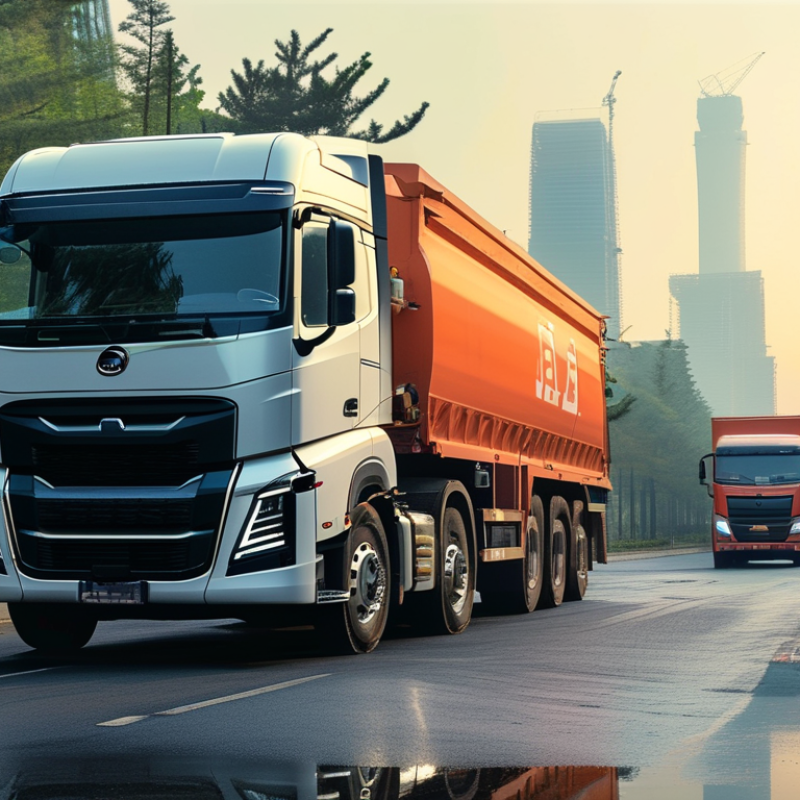
China's Leading Electric Vocational Trucks: Market Overview and Trends
As China accelerates its transition to electric vehicles, the vocational truck segment emerges as a significant player. According to a report by the China Association of Automobile Manufacturers, electric vocational trucks accounted for over 20% of total vocational vehicle sales in 2022. This trend reflects a growing demand for cleaner alternatives, driven by increasing urban pollution levels and stricter emissions regulations.
The market for electric vocational trucks is characterized by rapid innovation. Leading manufacturers are investing heavily in battery technology and charging infrastructure. A recent study highlighted a potential 30% reduction in operational costs for businesses that switch to electric models. However, challenges remain regarding battery lifecycle management. Many companies face difficulties in recycling outdated batteries, which can negate some environmental benefits.
Moreover, the infrastructure for electric trucks is still developing. While major cities are enhancing charging options, rural areas lag behind. This inconsistency can hinder the widespread adoption of electric vocational trucks. As policymakers and industry leaders work together, addressing these hurdles is crucial for maximizing the environmental advantages of electric vehicles in China’s logistics sector.
Key Features and Specifications of Top Electric Vocational Trucks in China
Electric vocational trucks are gaining popularity in China. These trucks are designed for specific tasks, such as delivery or construction. The key features of these vehicles include their zero emissions and reduced noise pollution. This technology not only supports environmental goals but also enhances urban livability.
Many trucks feature advanced battery systems, allowing longer ranges. Some models can travel over 300 kilometers on a single charge. This range, coupled with fast charging options, makes electric trucks practical. However, the charging infrastructure still needs improvement in some areas.
Safety features are often prioritized. Many trucks come equipped with advanced driver-assistance technologies. These systems help minimize accidents and protect drivers. Yet, the adoption of these trucks is still slow. Many companies hesitate to switch from traditional fuel vehicles. Cost and initial investment remain significant barriers. Nonetheless, the potential benefits are clear.
Environmental Impact: Emissions Reduction of Electric Trucks Compared to Diesel
Electric vocational trucks in China offer significant environmental benefits. Their primary advantage lies in emissions reduction compared to traditional diesel trucks. Diesel engines release harmful pollutants, including nitrogen oxides and particulate matter. These emissions contribute to air pollution and health problems. In contrast, electric trucks produce zero tailpipe emissions, making them a cleaner choice for urban areas.
Operational efficiency is another advantage. Electric motors convert energy into movement more effectively than diesel engines. This efficiency translates into lower fuel costs and reduced greenhouse gas emissions. However, it's essential to note that the electric grid's energy sources also matter. If the grid relies on fossil fuels, the overall emissions reduction could be less significant.
Tip: Evaluate local energy sources before fully transitioning to electric trucks. This consideration can impact the net environmental benefits. Choosing renewable energy can enhance emissions reduction further.
Moreover, the lifecycle of battery production poses environmental concerns. The mining of raw materials can harm ecosystems and lead to pollution. Companies must prioritize sustainable practices in sourcing and production. As the industry evolves, ongoing innovations could address these issues. Embracing electric trucks remains promising amid these challenges.
Cost Analysis: Long-term Savings of Electric Vocational Trucks vs. Traditional Models
Electric vocational trucks are gaining attention for their cost-saving potential. By switching from traditional diesel models, businesses can lower maintenance expenses. Electric motors have fewer moving parts. This leads to reduced wear and tear. Long-term savings on fuel also play a significant role. Electricity prices are often more stable than diesel fuel costs.
Moreover, electric trucks offer environmental benefits. They produce zero tailpipe emissions, contributing to cleaner air. However, initial investments can be daunting for some businesses. Charging infrastructure may not be fully developed everywhere. Companies must evaluate their locations and routes before committing. It may take time for many to see the financial benefits.
In the long run, businesses that embrace electric trucks may not only save money but also enhance their sustainability. They could gain a competitive edge in an increasingly eco-conscious market. However, thorough analysis and strategic planning are essential for successful implementation.
Cost Analysis: Long-term Savings of Electric Vocational Trucks vs. Traditional Models
Government Initiatives and Incentives for Electric Vehicle Adoption in China
In China, government initiatives have played a significant role in promoting
electric vehicle (EV) adoption. The government offers
subsidies to manufacturers and buyers of
electric vocational trucks. This financial support reduces the overall cost, making
them more accessible. Local governments also provide incentives for charging infrastructure.
This encourages businesses to invest in electric fleets.
Tips: Consider exploring local incentives.
Some regions offer
tax breaks for using
electric vehicles. Each city has its own policies. Understanding your area’s initiatives is
crucial for maximizing benefits.
The push for electric trucks is not without challenges. Many companies are hesitant to switch
due to high initial costs and limited infrastructure. Public awareness is also an issue.
Education on the
long-term savings and
environmental benefits
is essential.
Tips: Focus on training staff about
electric vehicles. Knowledgeable employees can help ease the transition. Additionally, seek
partnerships with local governments for better support. Emphasizing collaboration can create a
smoother changeover to electric options.
FAQS
: Electric trucks produce zero tailpipe emissions, reducing air pollution significantly. They also contribute to better health outcomes.
Electric motors convert energy into movement more effectively, leading to lower fuel costs and emissions. Diesel engines lag behind in efficiency.
Evaluate local energy sources and charging infrastructure. Understanding these factors can affect overall emissions benefits and costs.
Battery production can lead to ecosystem harm and pollution. It's crucial for companies to adopt sustainable sourcing practices.
They typically offer lower maintenance costs and stable electricity prices, resulting in long-term savings.
The upfront costs can be high, and charging infrastructure may not be fully developed in all areas.
Utilizing renewable energy sources can significantly improve emissions reduction associated with electric truck operations.
Yes, inadequate charging infrastructure and high initial costs may hinder successful implementation and delay financial benefits.
Some people underestimate the importance of local energy sources. Fossil fuel-based grids reduce the potential emissions benefits.
Thorough analysis and strategic planning are vital to navigate challenges and maximize long-term advantages.
Conclusion
China's electric vocational trucks represent a pivotal shift in the transportation industry, characterized by unique features and specifications that cater to diverse vocational needs. These vehicles not only offer operational efficiency but are also at the forefront of reducing harmful emissions. A key aspect of their adoption is “what are the environmental benefits of electric vocational trucks,” which includes significant decreases in air pollutants compared to traditional diesel models.
Moreover, the long-term cost analysis reveals substantial savings, making them an appealing alternative for businesses. Government initiatives and incentives further bolster the transition to electric vehicles, supporting a cleaner environment and sustainable development in China. Through these efforts, the electric vocational truck market is anticipated to grow, aligning with global environmental goals.

 Flex Truck