When considering mountainous hauling, engine horsepower plays a critical role. Drivers need to understand what is the best engine horsepower for mountainous hauling. The right power can mean the difference between success and struggle on steep inclines.
Mountainous terrains present unique challenges. Heavier loads require more power to climb steep grades. Insufficient horsepower may lead to stalls or decreased performance. Calculating the necessary horsepower is vital for reliability and safety.
Many factors influence choices, such as terrain and weight. It is not just about sheer power; it’s about efficiency and control. Overestimating horsepower can be costly and unnecessary. Balancing power with vehicle capabilities demands careful consideration. Ultimately, continuous evaluation is essential for optimal performance.
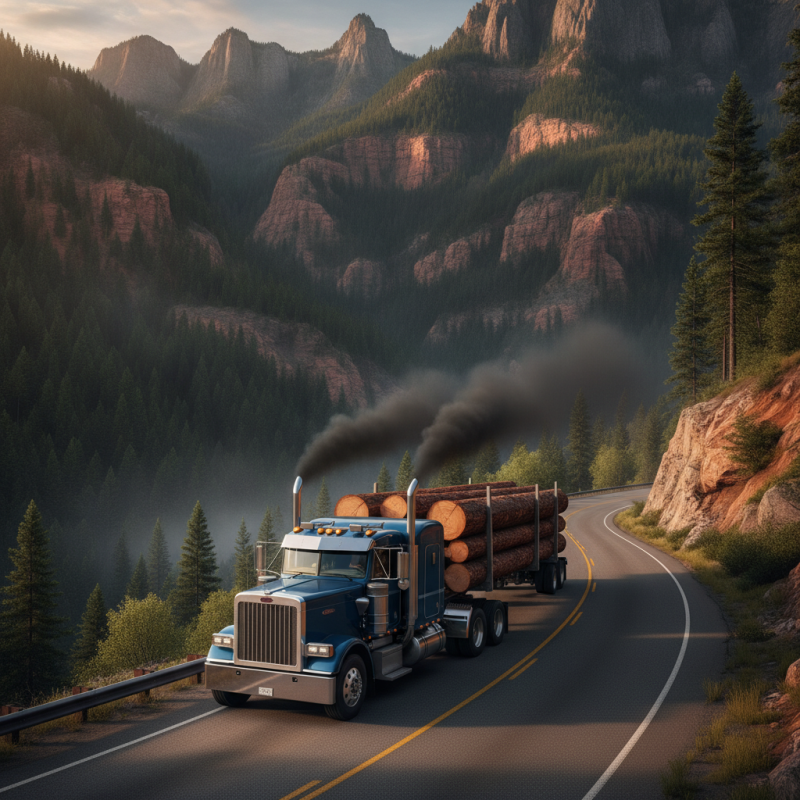
When considering engine horsepower for mountainous hauling, several critical factors come into play. Engine power ratings are essential, as they directly affect a vehicle's ability to haul heavy loads uphill. According to a study by the American Trucking Research Institute, optimal horsepower for hilly terrain often ranges from 400 to 600. However, too much horsepower can lead to decreased fuel efficiency, especially on long treks.
Terrain can dramatically influence performance. Steep grades require more power, but not all trucks are designed to handle that. Drivers should also consider load weight. A loaded truck may require more horsepower than an empty one. In fact, the weight-to-power ratio should ideally be around 1:6 for efficient performance in mountainous areas.
**Tip:** Regular maintenance checks can prevent performance drop-offs. Even a small issue can impact horsepower output.
Engine design features, like turbocharging and gear ratios, also play a significant role. A turbocharged engine can boost power and efficiency. While reliability is essential, overestimating horsepower needs could lead to inefficiencies. It’s essential to weigh power against other factors like durability and cost.
**Tip:** Test drives in hilly conditions can provide valuable real-world data. Listen for any irregular sounds, as they might indicate horsepower issues.
When hauling heavy loads through mountainous terrain, the optimal engine horsepower is crucial. Studies suggest that a range between 300 to 500 horsepower is ideal for most applications. This range allows vehicles to effectively climb steep grades while maintaining stability under heavy loads. Research indicates that trucks with this horsepower range experience less strain on both the engine and transmission, enhancing longevity and performance.
Consider vehicle weight and load distribution. A properly balanced load can significantly boost traction and reduce stress on the engine. For instance, equipped heavy-duty trucks with a gross vehicle weight rating (GVWR) of 26,000 lbs typically require at least 350 horsepower to navigate steep inclines efficiently. It's also vital to monitor engine performance closely to avoid overheating and damage.
Tip: Ensure your vehicle is equipped with a robust cooling system to handle the extra heat generated during demanding climbs.
Drivers should also assess tire grip and road conditions. Slippery or uneven surfaces can demand more from the engine, impacting overall performance. Therefore, understanding the terrain type will help determine if you need higher horsepower. Regular maintenance checks can help prevent performance issues.
Tip: Keep your tires well-maintained to enhance grip, especially on slopes. This small change can make a big difference.
When it comes to mountainous hauling, engine type and horsepower play crucial roles. Diesel engines are often favored in these conditions. According to the Society of Automotive Engineers, diesel engines produce 30% more torque than comparable gasoline engines. This torque helps vehicles navigate steep grades, which is common in mountainous regions.
The weight-to-power ratio is another vital aspect. A truck with a horsepower range of 300 to 600 can handle heavy loads efficiently. However, low horsepower can struggle on inclines. A report from the American Trucking Association highlights that trucks with at least 400 horsepower manage steep grades better, providing a more reliable performance.
Electric engines have emerged as a viable alternative, offering instant torque. Yet, their range may be limited in remote areas. This can be problematic when hauling heavy loads. Sustainable options like hybrids also show promise but may lack the power needed for steep gradients. Balancing horsepower and efficiency can be a challenge, as each engine type has its strengths and weaknesses.
| Engine Type | Horsepower (HP) | Torque (lb-ft) | Weight (lbs) | Fuel Efficiency (MPG) |
|---|---|---|---|---|
| Diesel Engine | 300 | 600 | 8500 | 15 |
| Gasoline Engine | 350 | 400 | 7800 | 12 |
| Hybrid Engine | 250 | 450 | 7500 | 18 |
| Electric Engine | 200 | 400 | 7000 | 25 |
When it comes to hauling in mountainous terrain, gear ratios play a pivotal role in optimizing engine performance. An ideal engine horsepower often hinges on these ratios, which affect the force exerted by the vehicle under various conditions. Research in the automotive sector indicates that a vehicle's ability to maintain power while navigating steep inclines is significantly influenced by its transmission settings. For instance, trucks with lower gear ratios can produce more torque. This leads to better performance when climbing hills, even if horsepower numbers appear lower on paper.
A report from the Society of Automotive Engineers highlights that a gear ratio of around 4.10:1 may be optimal for mountain hauling. Such a ratio allows engines to rev higher, translating to increased torque at lower speeds. This helps prevent stalling on steep inclines. However, using such ratios could also lead to higher fuel consumption, which must be considered during planning. Balancing engine performance and efficiency can be a tricky endeavor.
Different terrains may demand varying gear ratios. Some drivers mistakenly believe that higher horsepower alone can carry them through rugged landscapes. Yet, without proper gearing, even the most powerful engine may struggle. Adapting to specific needs, like frequent hill climbs, can involve some trial and error. Thus, understanding how gear ratios affect performance is equally crucial as engine horsepower itself. Such insights can lead to more informed decisions in vehicle setup and operational strategies.
When hauling in mountainous terrain, fuel efficiency becomes a crucial factor. The steep grades and winding roads of these regions can put extra strain on your vehicle. Choosing an engine with the right horsepower is essential to maintain efficiency without compromising power. Aim for a balance that allows your vehicle to climb hills without exhausting fuel reserves.
Tips: Monitor your load size. Carrying excessive weight can dramatically decrease fuel efficiency. A lighter load typically results in better fuel economy, especially in an incline.
The ideal engine horsepower for mountainous hauling often depends on the weight of the vehicle and cargo. Too much horsepower can lead to wasted fuel. On the other hand, too little may result in sluggish performance. Opt for a mid-range power output to help manage fuel consumption effectively.
Tips: Regular maintenance is key. Ensure your engine is in good condition. This can significantly influence your fuel efficiency in challenging terrains. Also, consider using cruise control when possible to maintain a consistent speed.
This chart displays the relation between engine horsepower and fuel efficiency in mountainous hauling scenarios. The data reflects average values suitable for various hauling capacities.
: The ideal horsepower range is between 300 to 500 for effective climbing and stability.
Proper weight distribution boosts traction and reduces engine stress significantly.
Well-maintained tires enhance grip and can improve vehicle performance in hilly areas.
Diesel engines are favored due to their ability to produce more torque than gasoline engines.
Lower gear ratios can produce more torque, aiding performance during hill climbs, even with lower horsepower.
Some believe higher horsepower alone is enough, ignoring the importance of proper gearing for steep terrains.
Monitor engine performance closely and ensure a robust cooling system is in place.
They may lead to higher fuel consumption, which needs careful planning during trips.
Electric engines offer instant torque but may have range limits in remote areas, posing challenges.
Routine checks can prevent performance issues and enhance overall vehicle reliability during challenging climbs.
When considering what is the best engine horsepower for mountainous hauling, several factors come into play. Engine horsepower must be sufficient to handle the demanding conditions of steep inclines and rough terrain, which often require a balance between power and efficiency. The optimal horsepower range typically lies within 250 to 400 horsepower for heavy loads in mountainous environments, as this range provides the necessary torque and acceleration to navigate challenging paths.
A comparative analysis of engine types—such as diesel versus gasoline—reveals that diesel engines often provide better torque and fuel efficiency for sustained hauling. Additionally, gear ratios significantly impact performance, allowing engines to operate effectively under various conditions. Fuel efficiency is another critical consideration, as mountainous hauling can be fuel-intensive, necessitating careful selection of both horsepower and gearing to ensure optimal performance while minimizing costs.

Flex Truck