2026 Best Engine Horsepower for Mountain Hauling?

Time:2026-11-02 Author:Madeline
0%

Mountain roads expose the limits of a truck’s powertrain quickly: a loaded tractor can lose speed on a long climb, while a sharp descent tests braking and driver judgment. So, what is the best engine horsepower for mountainous hauling? There is no single number for every truck. Gross combination weight, grade length, altitude, axle ratio, transmission gearing, and desired climbing speed all matter. Small details matter, too.

For many loaded Class 8 combinations, roughly 450–500 hp is a practical starting range, not a guarantee. Cummins’ published X15 specifications offer ratings from 400 to 605 hp, illustrating how widely engine choices vary by application. Volvo Trucks’ D13 specifications likewise show multiple power ratings rather than one universal setup. These manufacturer figures are useful reference points, but they do not prove that the highest rating is the best fit. A well-matched engine, transmission, and rear-axle ratio may outperform a higher-horsepower engine with unsuitable gearing. That is easy to overlook.

Route data deserves equal attention. The U.S. National Renewable Energy Laboratory’s Fleet DNA resources document how commercial vehicle duty cycles vary, reinforcing why route and operating conditions should guide equipment choices. Before deciding, compare the truck’s actual loaded weight, common grades, and target speed with engine torque and gearing data. Ask an experienced dealer or fleet technician to review the specification. Then check it against a real route. A brochure cannot feel the climb. A little humility helps: even a sound estimate should be tested against the truck’s actual workload.
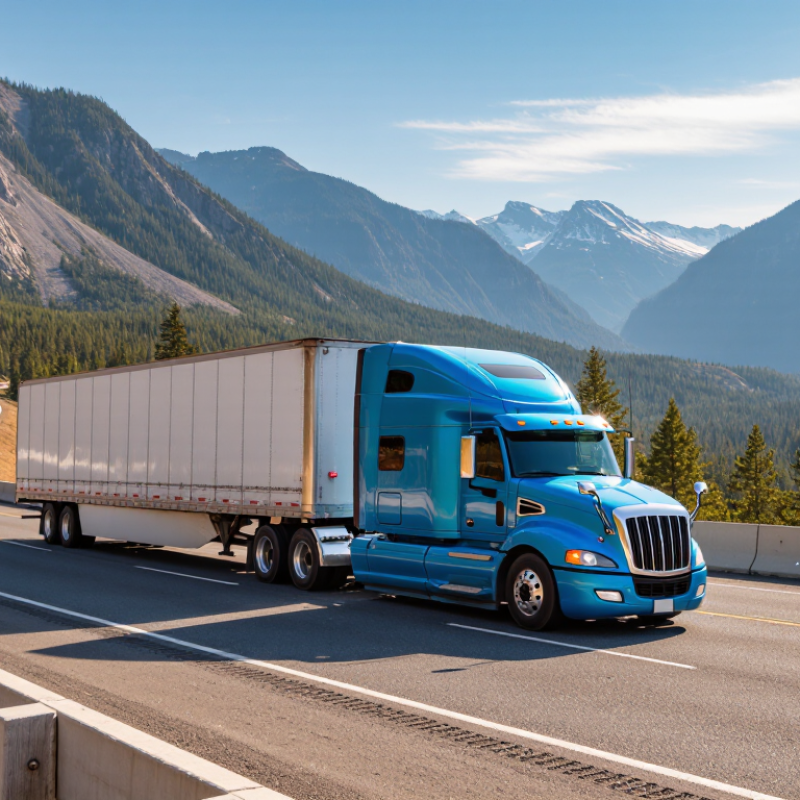
2026 Best Engine Horsepower for Mountain Hauling?

Understanding Horsepower, Torque, and Mountain-Hauling Demands

Mountain hauling is not a horsepower contest. Torque helps a loaded engine pull away and hold speed as the grade steepens; horsepower shows how quickly it can keep doing that. The relationship is horsepower = torque × rpm ÷ 5,252 when torque is measured in pound-feet. SAE International’s J2807 towing-performance procedure includes a 12% gradeability evaluation, a useful reminder that a tow rating involves more than a peak engine figure. A 12% grade rises 12 feet for every 100 feet of horizontal travel. That is demanding with a trailer behind you.

Altitude changes the calculation. The U.S. Standard Atmosphere 1976 report puts air density at roughly 86% of sea-level density at 5,000 feet. Naturally aspirated engines may therefore deliver less power in thin air; actual losses vary by engine and conditions. Turbocharging can offset some of that effect, but it does not erase the need for sensible gearing, cooling capacity, and a suitable trailer load. No single number settles it.

A useful correction: peak horsepower is tempting to chase, but low-speed torque and transmission gearing matter on a slow climb. Look for towing performance data, not just the headline rating. Then consider your route, elevation, trailer weight, and how often you will climb. Even careful estimates can miss real-world details, like a long, hot ascent.

How Elevation, Grade, Load, and Trailer Weight Affect Engine Output

2026 Best Engine Horsepower for Mountain Hauling?

Mountain towing is a power-demand problem, not just a horsepower comparison. The U.S. Standard Atmosphere, 1976, shows air density is roughly 14% lower at 5,000 feet than at sea level. Naturally aspirated engines can lose substantial output as a result. That matters. Turbocharging can offset some altitude loss, but compensation depends on the engine’s design, calibration, and operating temperature. Check the manufacturer’s altitude and towing guidance before choosing a power target.

Trailer weight does not change an engine’s rated horsepower; it raises the power needed at the wheels.

A 10,000-pound combined rig needs about 64 wheel horsepower just to overcome gravity on a 6% grade at 40 mph.

That estimate excludes rolling resistance, aerodynamic drag, and drivetrain losses. SAE J2807 evaluates towing performance through tests that include gradeability, acceleration, cooling, and braking. Weigh the loaded vehicle and trailer, then consider the steepest route, expected speed, and elevation.

Peak horsepower alone can mislead. I’d leave room for hot days and long climbs, though the right margin depends on the actual load and engine setup.

Comparing 2026 Engine Options for Different Mountain-Hauling Loads

For a light trailer on paved mountain roads, a smaller turbocharged engine can offer a useful balance of power and fuel use. Its turbocharger helps maintain performance as elevation rises, though it cannot erase every effect of thin air. A naturally aspirated engine may feel less responsive on long climbs. Short trips and modest loads? Either may be enough.

With a heavier camper or frequent steep grades, compare larger turbocharged gasoline engines with diesel options where available. Horsepower helps sustain speed uphill; torque, gearing, and transmission behavior affect how confidently a truck starts and climbs under load. Listen for persistent downshifts or rising temperatures on a test route. Those details matter.

Peak horsepower alone is a poor buying shortcut. Check the exact vehicle’s tow rating, payload, axle limits, and cooling equipment; trailer tongue weight uses payload quickly. Also consider elevation, outside temperature, and how often you tow. I’d favor a comfortable safety margin over a published maximum. That is less exciting on paper, but mountain roads can be humbling.

2026 Best Engine Horsepower for Mountain Hauling?

Estimated engine power for different hauling loads on a steady 6% climb at 30 mph

Estimates are approximately 124 hp at 20,000 lb, 249 hp at 40,000 lb, and 373 hp at 60,000 lb. They use a rolling-resistance estimate of 0.6% and 85% drivetrain efficiency. These are steady-speed calculations, not engine recommendations; allow additional power for acceleration, wind, accessories, altitude, and maintaining speed on changing grades.

Estimating the Horsepower Needed for Your Truck and Trailer Combination

Estimating the horsepower needed for a truck and trailer starts with their combined loaded weight, not the trailer’s empty figure. Add passengers, fuel, cargo, and hitch equipment. Then consider the hills you’ll actually climb. A six-percent grade at highway speed demands far more power than a flat road, and thin mountain air can reduce engine output. That matters.

For a rough illustration, a 15,000-pound combination climbing a six-percent grade at 60 mph needs about 144 horsepower at the wheels just to overcome gravity. Rolling resistance, wind, drivetrain losses, and acceleration require more. Treat this as a starting estimate, not a buying rule. A rough number can feel reassuring; it can also miss how long grades strain the cooling system and transmission. Check the truck’s rated combined weight and payload limits, too. Horsepower cannot make an overloaded setup safe.

Tips: Weigh the loaded combination if possible. Compare the route’s steepest sustained grades, not just its average terrain. Leave power in reserve for merging and passing, and use a lower gear when climbing. Watch engine temperature on long ascents. A truck that manages one short hill may struggle on a ten-mile climb.

Choosing a Powertrain for Safe, Consistent Climbing Performance

2026 Best Engine Horsepower for Mountain Hauling?
Choosing a Powertrain for Safe, Consistent Climbing Performance

Mountain hauling rewards steady power, not just a high peak-horsepower figure. On a long climb, the engine, transmission, cooling system, and axle ratio must work together. A loaded trailer can make the temperature gauge climb before the road levels out. That matters.

SAE International’s J2807 tow-rating procedure includes an 11.4-mile test on the 7% Davis Dam grade. This is a useful benchmark because it examines sustained towing performance, not a quick burst of acceleration. Compare vehicles using their rated towing capacity and gross combination weight rating, then check those limits against the actual truck, trailer, passengers, and cargo. Leave a margin. Real loads are rarely weighed perfectly.

Horsepower helps maintain speed uphill, while torque and gearing affect how the vehicle delivers that power. At higher elevations, thinner air can reduce output from naturally aspirated engines; turbocharging may offset some loss, but it cannot erase thermal limits. I would not choose a powertrain from horsepower alone. I would also check cooling specifications, transmission behavior, and payload capacity. A little humility helps here: published ratings cannot predict every steep, hot, heavily loaded climb. The gauge still deserves attention.

FAQS

How does elevation affect engine output?

At 5,000 feet, air density is roughly 14% lower than at sea level. Naturally aspirated engines may lose power. Turbocharging can offset some loss, not all of it.

Does a heavier trailer reduce an engine’s rated horsepower?

No. It increases the power needed at the wheels. A heavier load also puts more demand on the transmission and cooling system.

How much power does a 10,000-pound rig need on a steep grade?

At 40 mph on a 6% grade, it needs about 64 wheel horsepower just to overcome gravity. That excludes wind resistance, rolling resistance, and drivetrain losses.

Is peak horsepower enough to choose a truck for mountain towing?

No. Check towing capacity, payload, axle limits, cooling equipment, and transmission behavior. A high peak figure can still mislead.

What should I check before towing a heavy camper uphill?

Weigh the loaded truck and trailer. Include passengers and cargo, since tongue weight uses payload quickly. Leave some capacity unused.

Does turbocharging prevent power loss at high elevations?

It may help maintain power in thinner air. Engine design, temperature, and calibration still matter. Heat can limit performance.

What signs should I watch for during a long climb?

Notice repeated downshifts, falling speed, or rising temperatures. Pull over safely if the temperature gauge concerns you. That gauge matters.

How much extra towing margin should I allow?

There is no single margin for every setup. I’d leave room for hot weather and long grades, though I may be overcautious. Published ratings cannot predict every climb.

Conclusion

Choosing the right engine for mountain hauling in 2026 depends on more than a single horsepower figure. Horsepower helps a truck maintain speed while climbing, while torque supports moving heavy loads from a standstill and tackling steep grades. Elevation can reduce the output of some engines, and the combined weight of the truck, trailer, cargo, and passengers increases the effort required on long climbs. These factors make it important to consider the whole towing setup rather than compare engine ratings alone.

To estimate what is the best engine horsepower for mountainous hauling, start with your typical trailer and cargo weight, then consider route steepness, altitude, and how often you tow. Lighter loads on moderate roads may call for less power, while frequent heavy hauling on high-altitude or steep routes benefits from greater horsepower, strong low-speed torque, and a powertrain designed to sustain climbs without excessive strain. Choose a setup that can handle your expected load consistently, and follow the truck’s towing and payload limits for safer, more controlled performance.

Madeline

Madeline

Madeline is a dedicated marketing professional with a wealth of expertise in our company's core offerings. With a keen understanding of the industry, she brings a unique perspective to her role, consistently delivering high-quality content that highlights the superior aspects of our products. As......